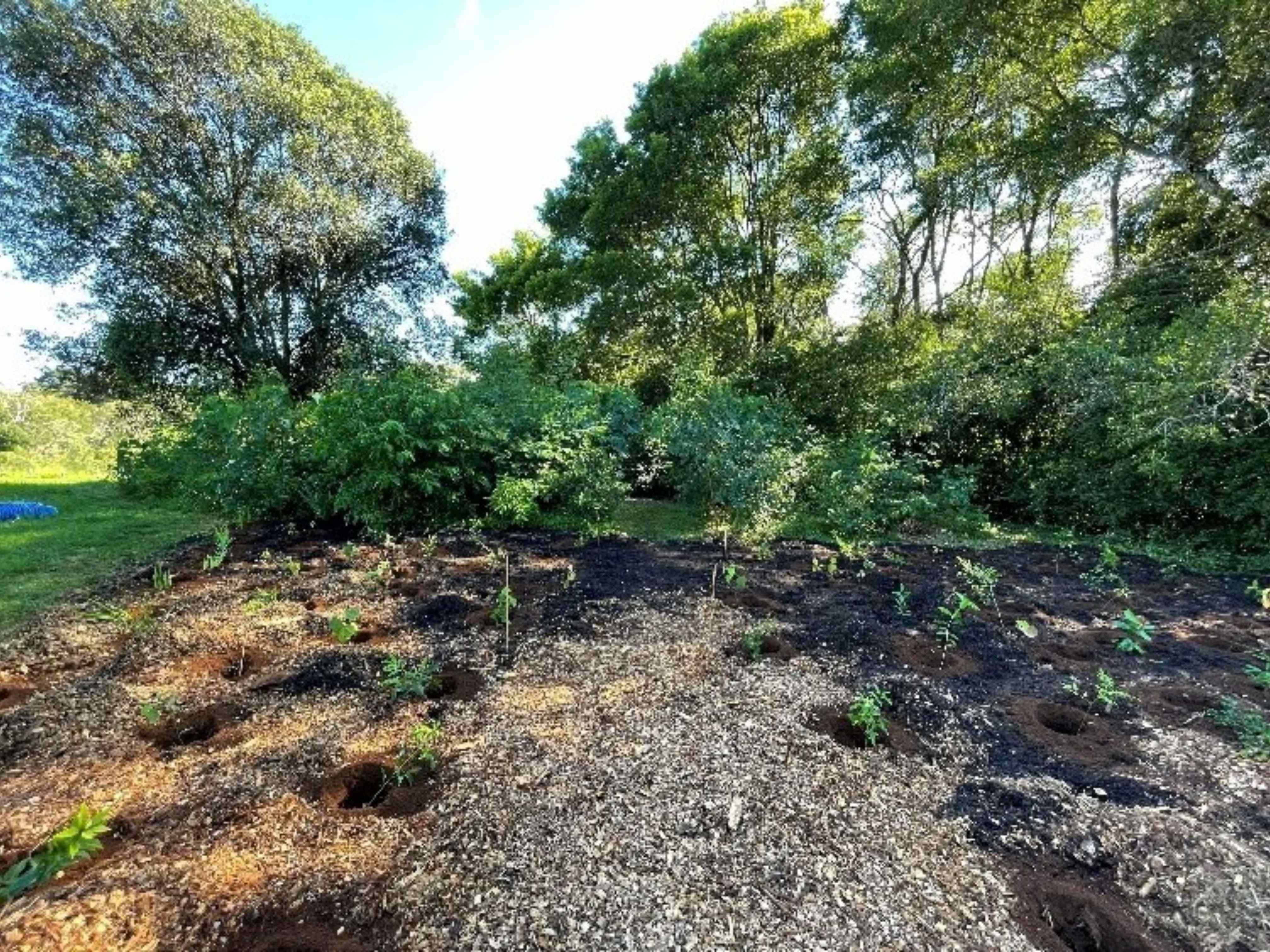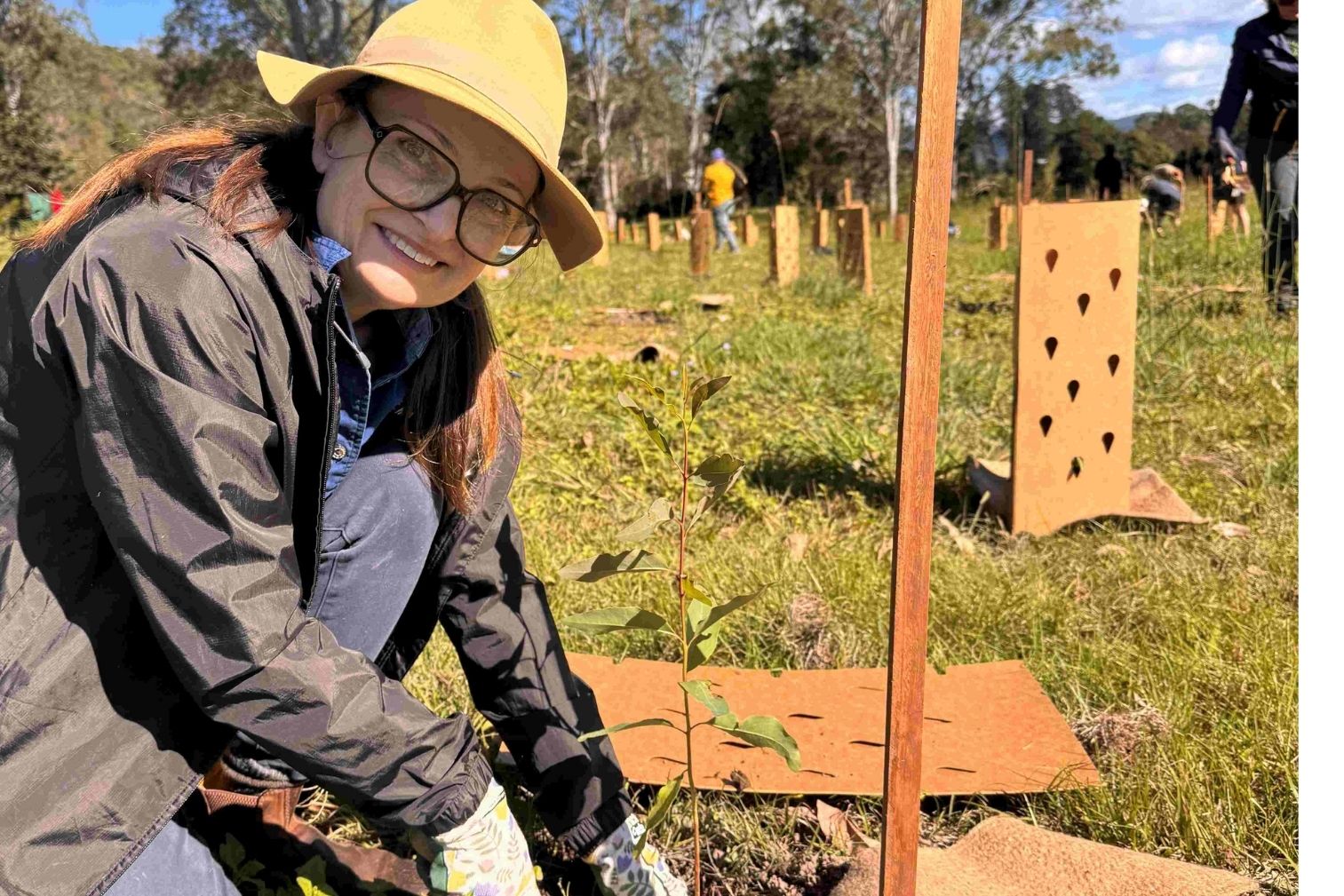
Thousands of South East Queensland (SEQ) residents are taking action in their backyards and on their balconies, with a growing grassroots movement seeing native everlasting daisy seeds planted across the region.
The Natural Resource Recovery Program (NRRP) is supporting land managers across South East Queensland (SEQ) to protect and restore populations of Callitris baileyi (commonly known as Bailey’s Cypress Pine), a native conifer species recognised for its ecological significance and limited distribution.
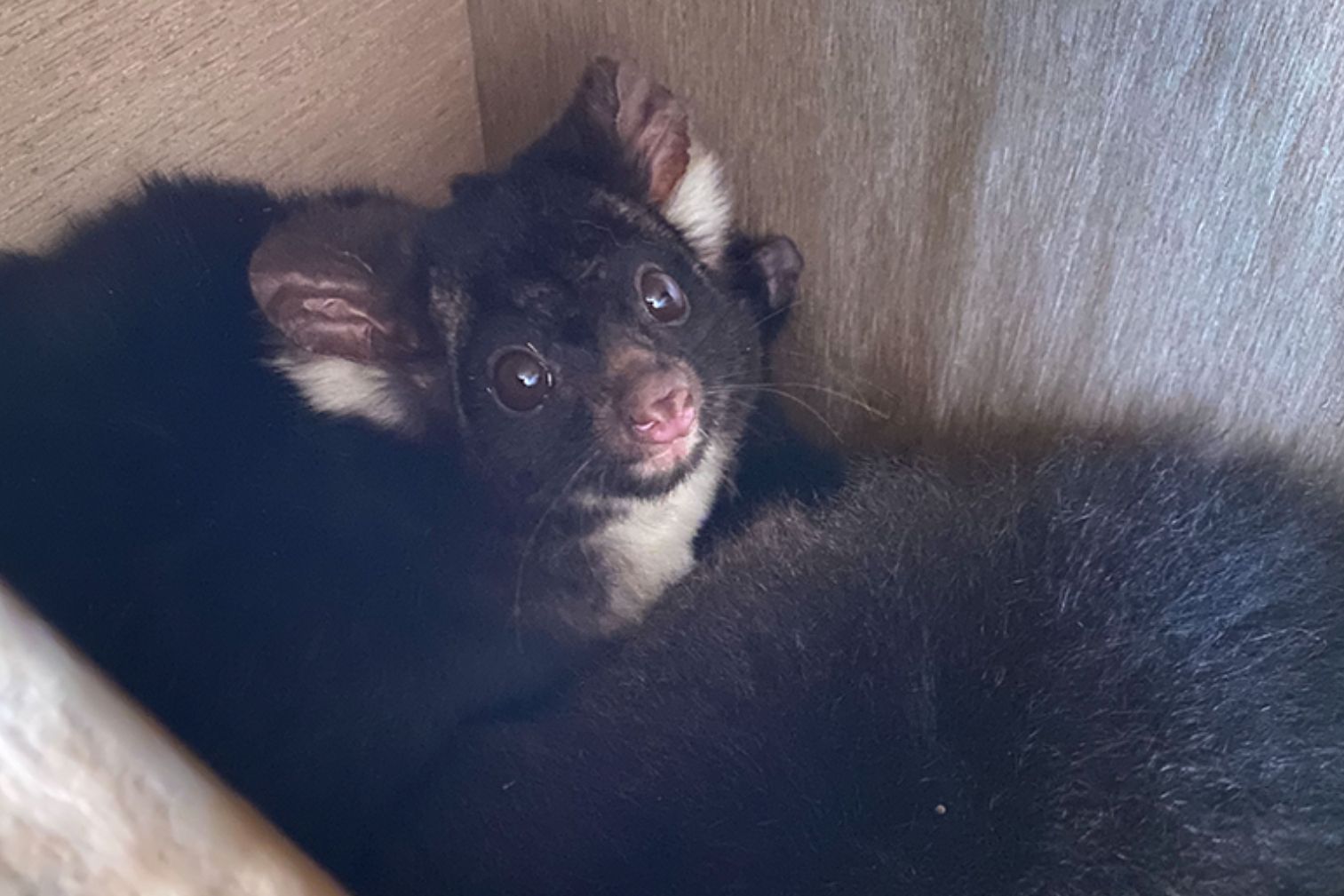
Fire is a natural part of many Australian landscapes, and it can be both a threat and a tool. The difference for wildlife and flora often comes down to the details: how often an area burns, how hot and extensive the fire is, what season it occurs in, and whether unburnt refuges are left nearby. Understanding those patterns helps land managers plan burns that reduce risk while still supporting the habitats animals rely on.
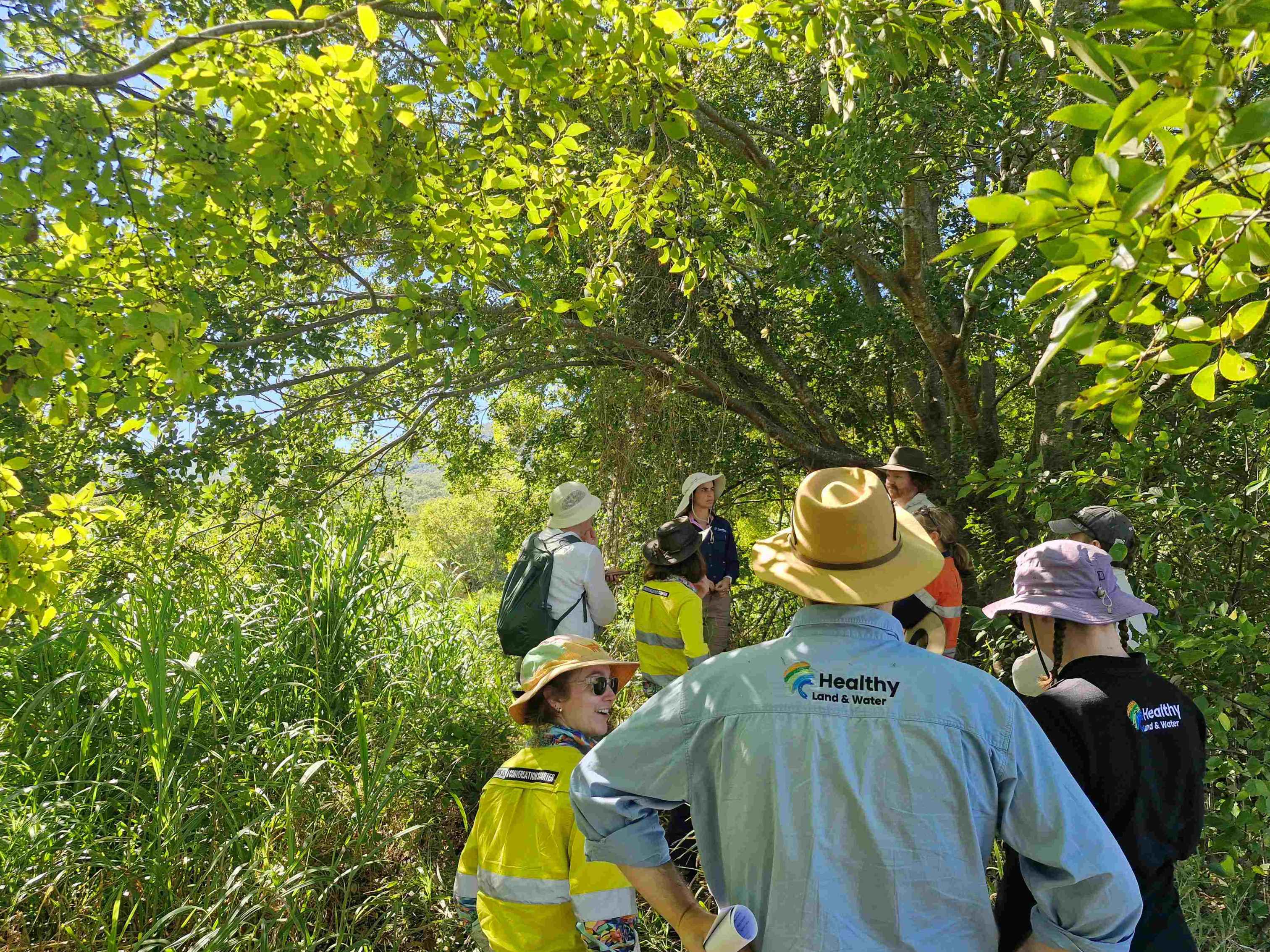
Two members of Healthy Land & Water’s Fire Ecology & Preparedness team, Dr Miranda Rew-Duffy and Jaime Kruusmaa, attended the 8th International Fire Behaviour and Fuels Conference (FBF Conference) in Hobart last month. Jaime presented on Bridging Science and Practice: Collaborative Fire Management for Biodiversity and Community Outcomes, while Miranda co-presented a poster with Clare Rogers from Brisbane City Council titled Improving threatened species outcomes in fire management through collaborative approaches: the collared delma (Delma torquata). They shared their conference insights with us.
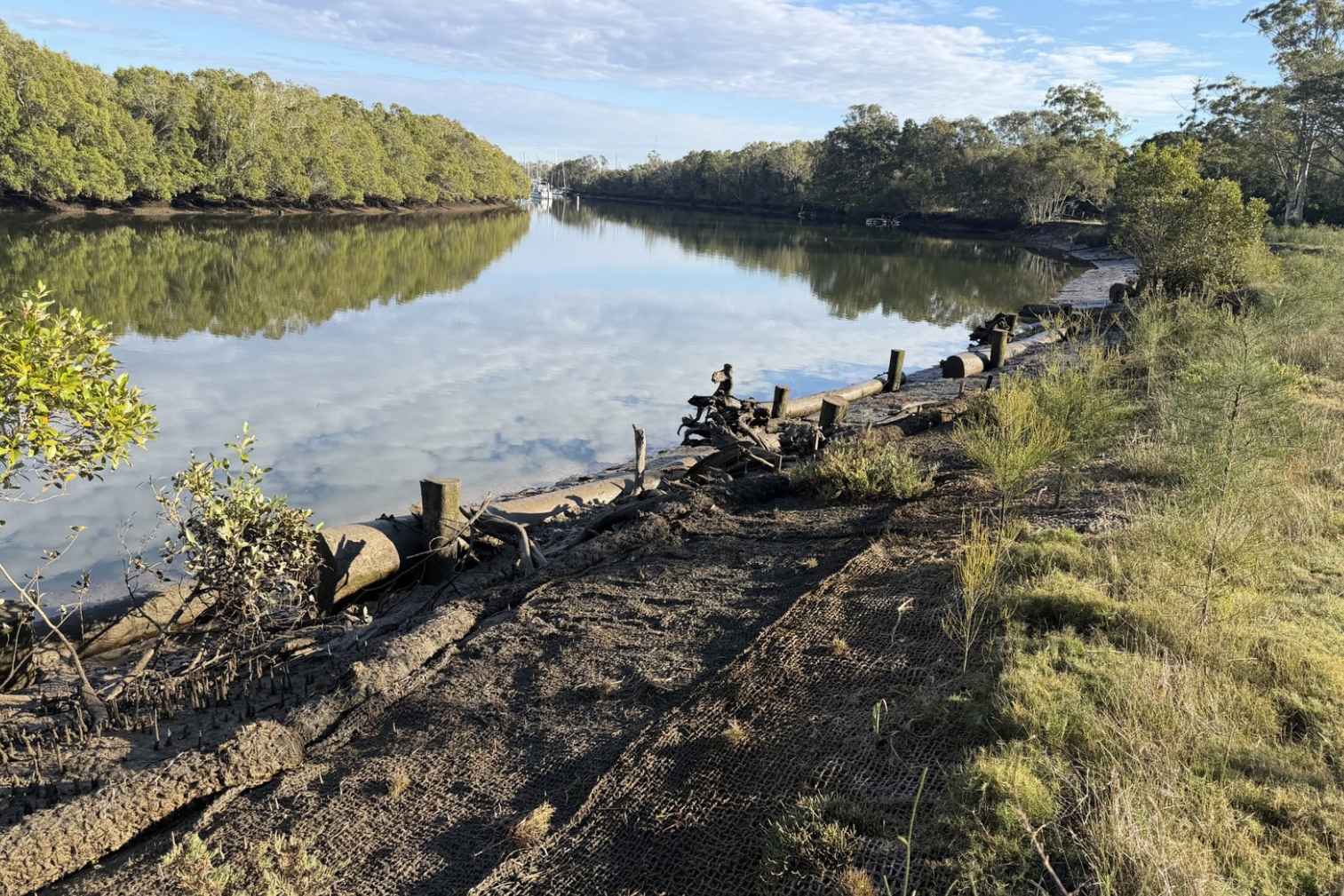
Tucked within the Logan catchment at Rathdowney is a property with an important role to play in protecting South East Queensland’s drinking water supply due to its proximity to the intake for the local community’s water treatment plant.
Through the Seqwater-funded Multi Catchments Source Water Protection Project, this site is a great demonstration of how thoughtful, science-based management can support the health of our waterways.
Working closely with the landholder, this challenging waterway has become a valuable long term learning site, and our approach is building trust through landholder involvement while improving our understanding of erosion, land management and natural recovery.
By combining targeted action that enables natural processes, supported by careful monitoring, Healthy Land & Water is actively observing change and learning when to intervene intensively and when to take a lighter-touch approach to support nature’s ability to recover.
Live in South East Queensland and want to get more involved in protecting your local area’s natural assets?
There are many ways you can make a difference close to home. This could be as simple as taking small actions in your own backyard or supporting groups within your local community.
April is Citizen Science Month, and at Healthy Land & Water, we think there’s no better time to roll up your sleeves and help protect our shared backyard.
Citizen science is exactly what it sounds like: everyday people (that’s you, your family, your neighbours) collecting real data that helps scientists, land managers, and local organisations make better decisions for our environment. From your backyard to our beautiful coastline, every observation counts.
Follow us on socials or subscribe below to get enviro news on clever initiatives to improve South East Queensland's beautiful and biodiverse environment, right to your inbox.