
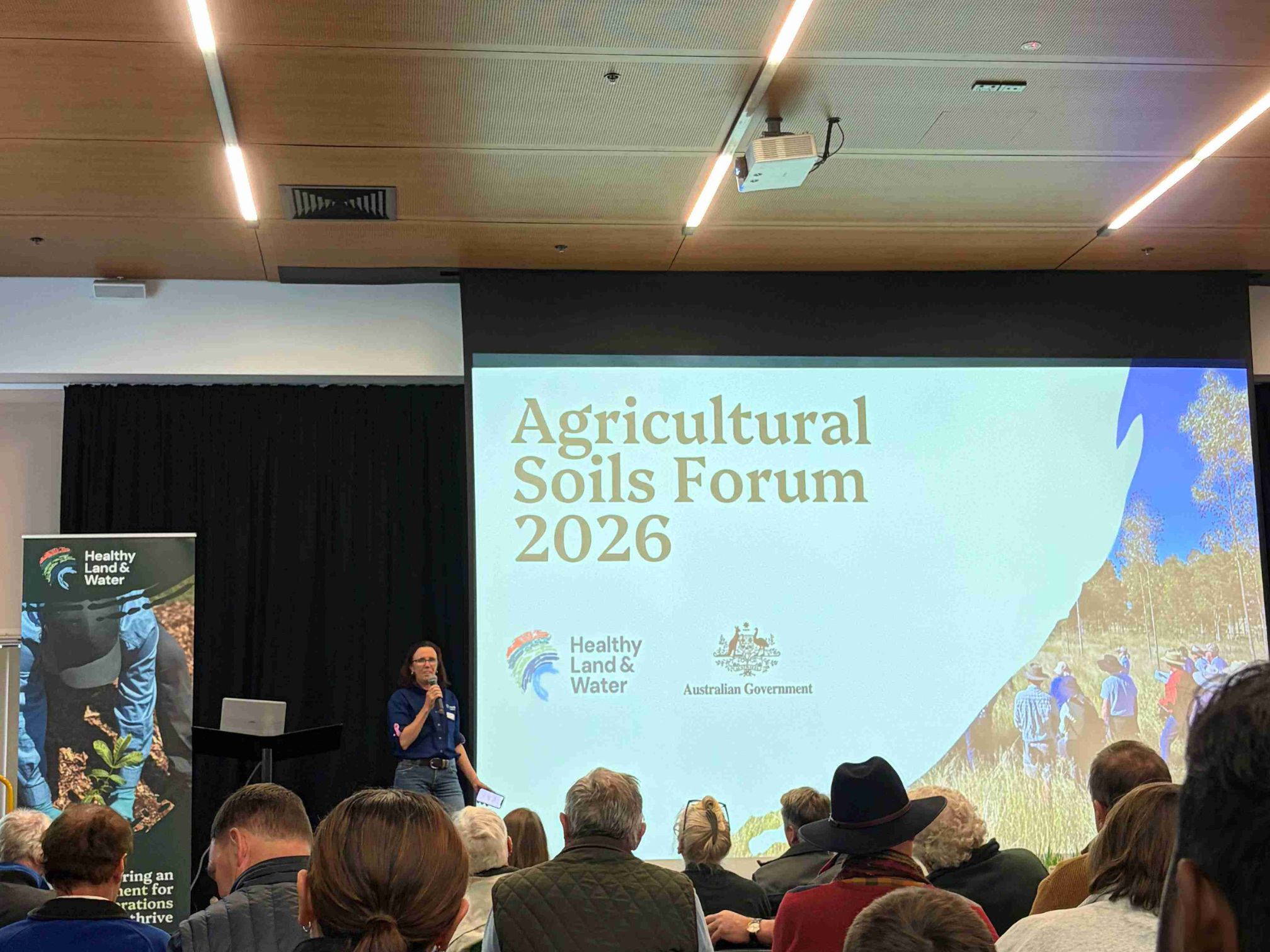
More than 80 attendees dig deeper into the future of soil health
Healthy soil underpins productive farms, resilient businesses and Australia's future food security. As farming faces increasing pressure from rising input costs, climate variability and the need to produce more with less, understanding what lies beneath our feet has never been more important.
That was the focus of Healthy Land & Water's Agricultural Soils Forum 2026, where 83 producers, researchers and industry professionals came together in Gatton to explore practical, science-backed approaches to healthier soils and more resilient farming systems.
Among those attending were 44 producers representing grazing, horticulture, dairy and cropping enterprises, alongside agribusinesses and industry organisations, creating valuable opportunities to learn from both research and real-world experience.
From the outset, one message resonated throughout the forum: healthy soils are fundamental to productive, profitable and resilient farming systems.
 |
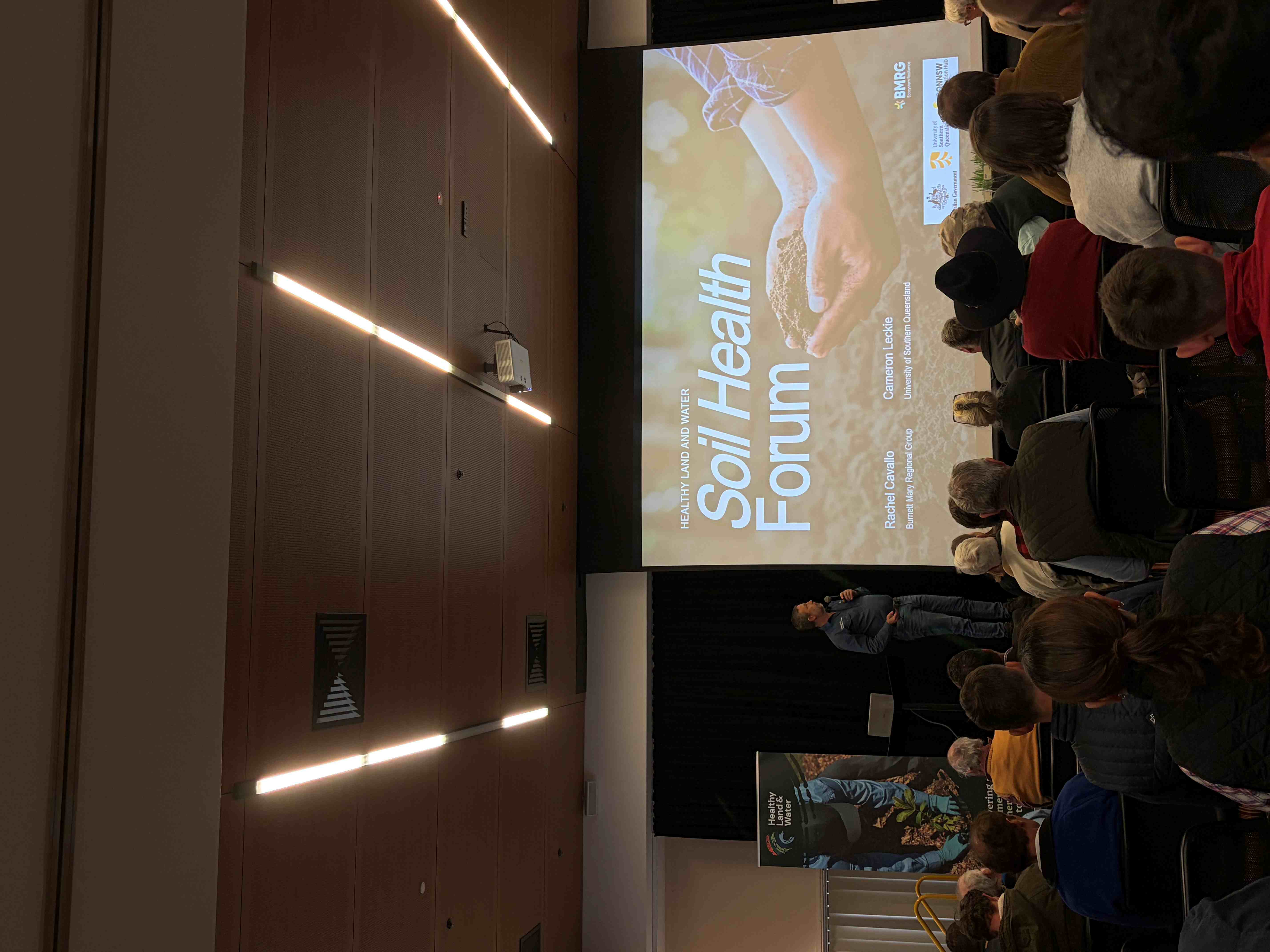 |
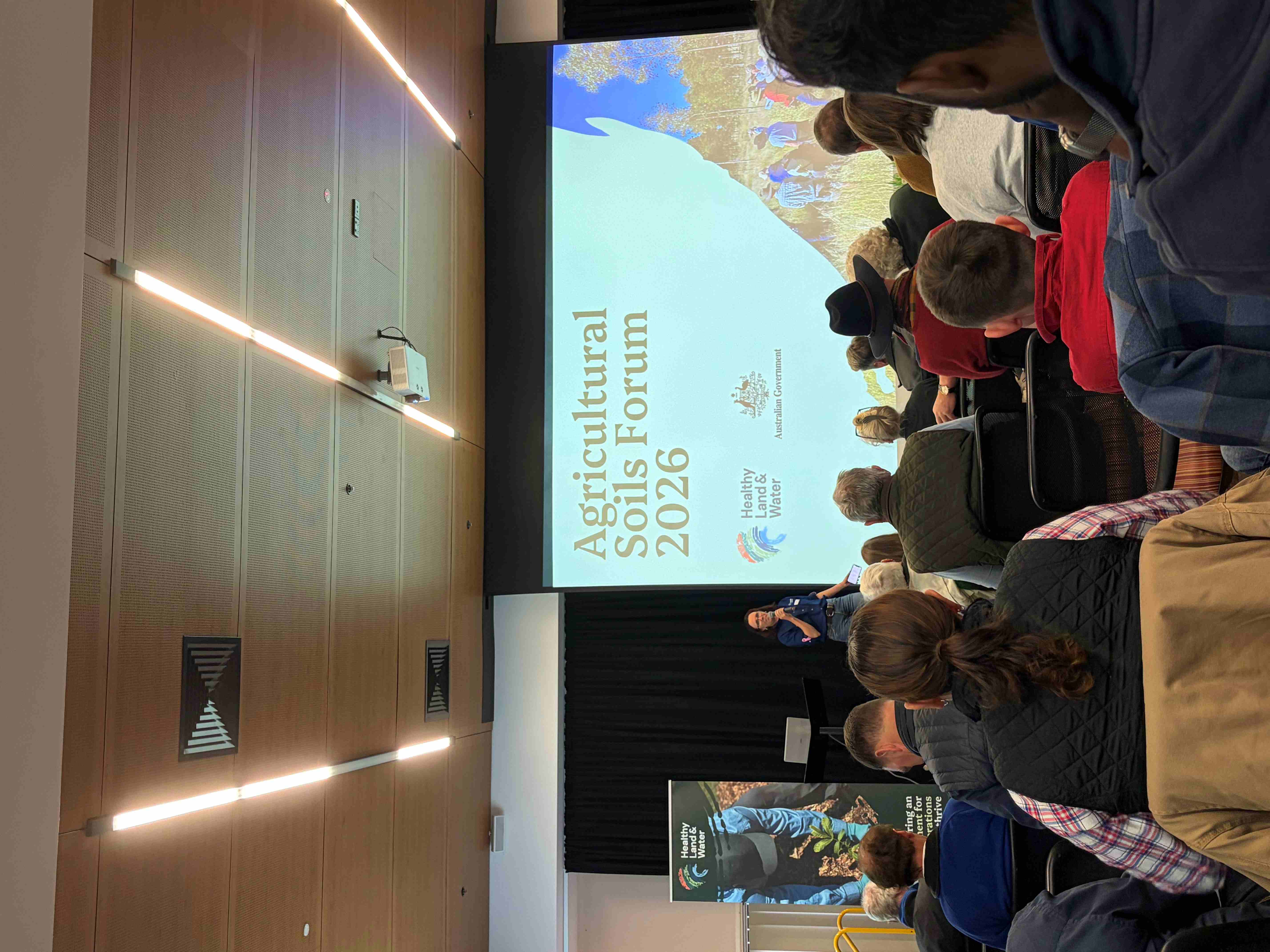
Regional Soils Coordinator Cameron Leckie opened the forum by exploring why understanding soil and protecting it through good management has never been more important, reminding attendees that "ground cover is king" when it comes to reducing erosion, conserving moisture and maintaining productive soils.
Building on this notion, soil scientist Rachel Cavallo brought soil science to life through engaging demonstrations of erosion and runoff. Using rhizotrons, Rachel also showcased how different soil ameliorants influence root growth and development, helping producers compare not only biological outcomes but also the costs and benefits of different management approaches.
The practical demonstrations helped simplify the complexity of soil health, giving attendees a clearer understanding of how management decisions influence what happens below the surface.
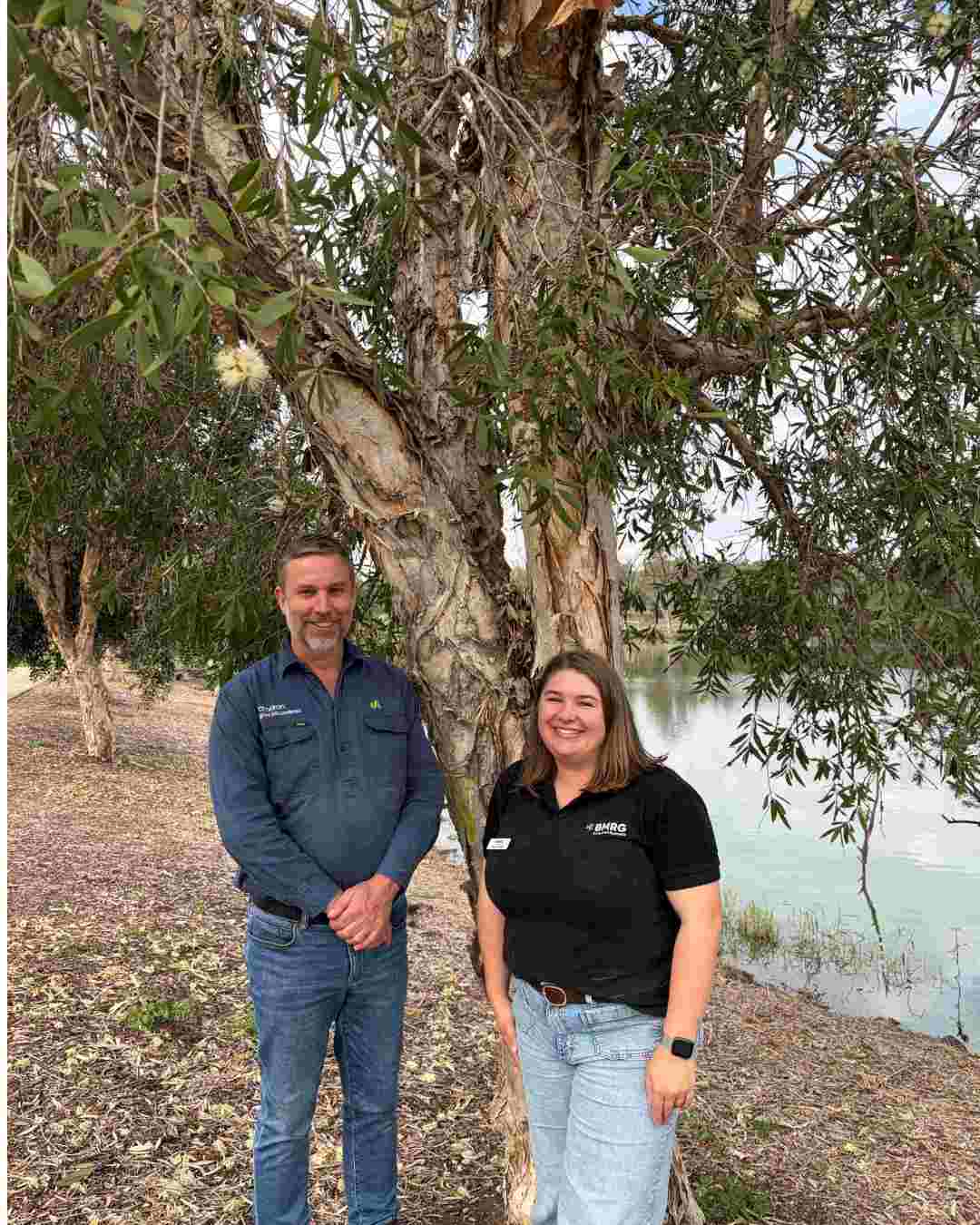 Regional Soils Coordinator Cameron Leckie and Soil Scientist Rachel Cavallo. Regional Soils Coordinator Cameron Leckie and Soil Scientist Rachel Cavallo. |
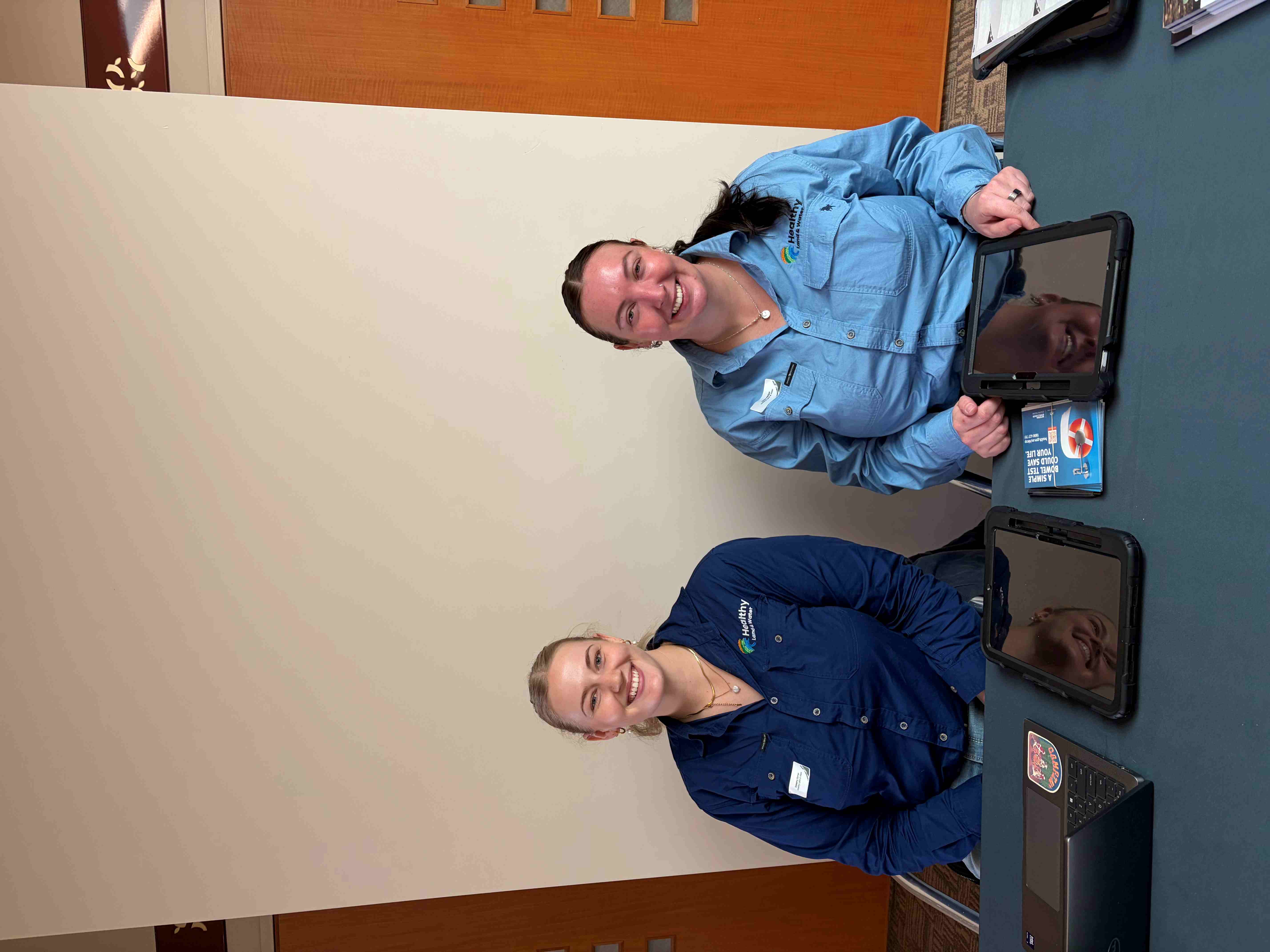 Sustainable Agriculture team members Jessamy and Emily. Sustainable Agriculture team members Jessamy and Emily. |
That practical focus continued throughout the day. Drawing on more than 30 years of research in the sugar industry, Neil Halpin demonstrated how minimum tillage, controlled traffic, crop rotation, trash retention and legumes can improve both soil health and long-term productivity.
Andrew Johanson shared Mulgowie Farming Company's regenerative farming journey, highlighting how improving soil health and water-holding capacity has reduced fuel, fertiliser and labour costs while increasing crop yield and quality, demonstrating that environmental and economic outcomes can go hand in hand.
David Hall unpacked the fundamentals of soil chemistry, taking attendees into the rhizosphere to better understand the interactions between soils, nutrients and crops before exploring how producers can strike the balance between managing costs of fertiliser and organic soil amendments while maintaining production.
Taleta Bailey then translated complex concepts around soil carbon and nitrogen into practical knowledge, helping producers better understand nutrient availability, improve nitrogen management and reduce the risk of nutrient losses.
Delivering the keynote address, Queensland Food Farmers' Commissioner Rachel Chambers challenged attendees to think about soil health through both an environmental and economic lens.
She highlighted the important role healthy soils play in supporting productive farms, prosperous regional communities and Australia's future food security, while encouraging producers to engage with her office on the issues affecting agriculture across Queensland.
The forum concluded with an engaging panel discussion featuring Rachel Chambers, Cameron Leckie, Andrew Johanson and David Hall, exploring the pressures facing today's producers - from rising input costs to maintaining profitability - and the critical role healthy soils play in building resilient farming businesses.
While the presentations provided valuable insights, many of the day's most meaningful conversations happened between sessions.
|
|
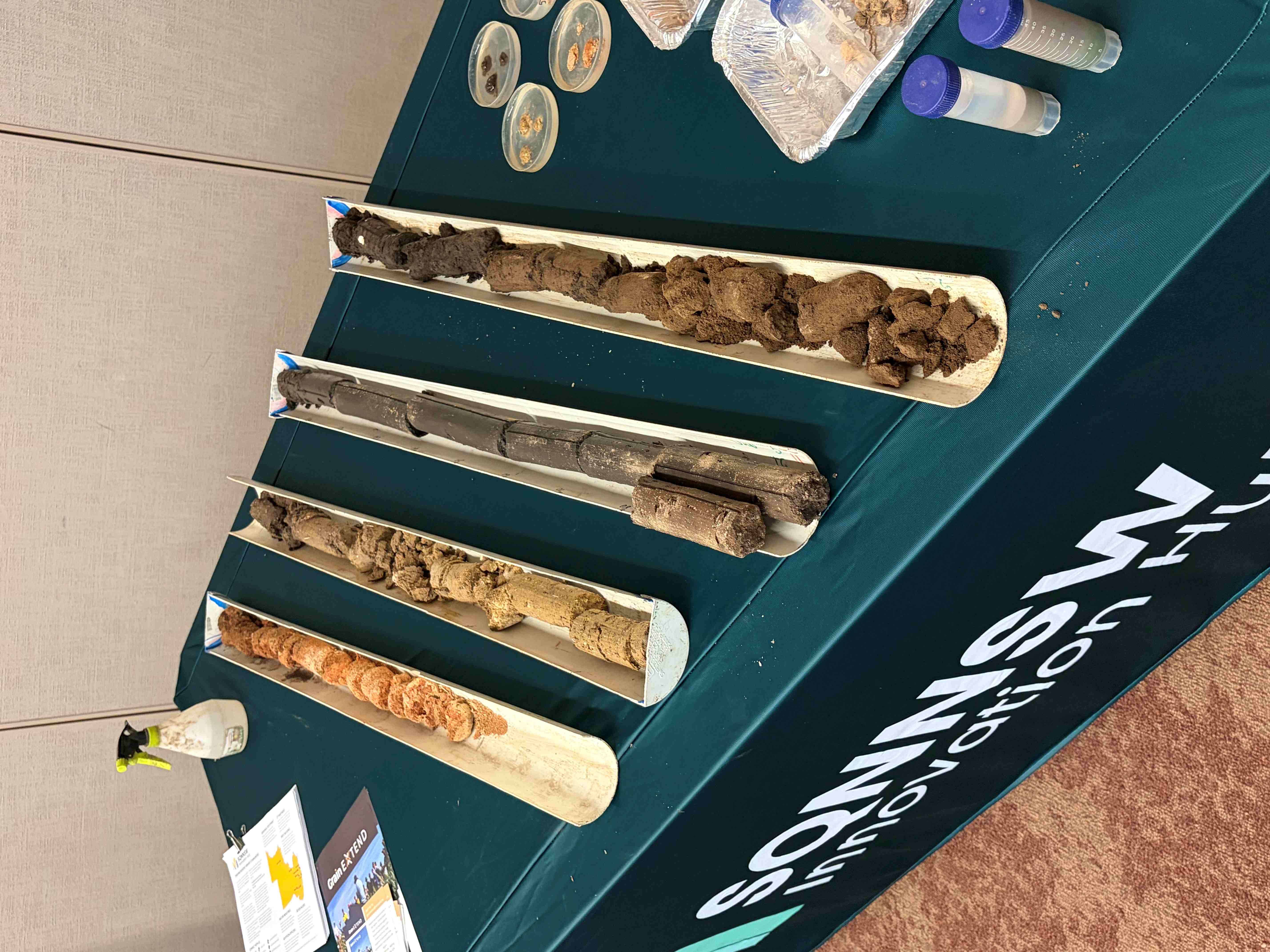 |
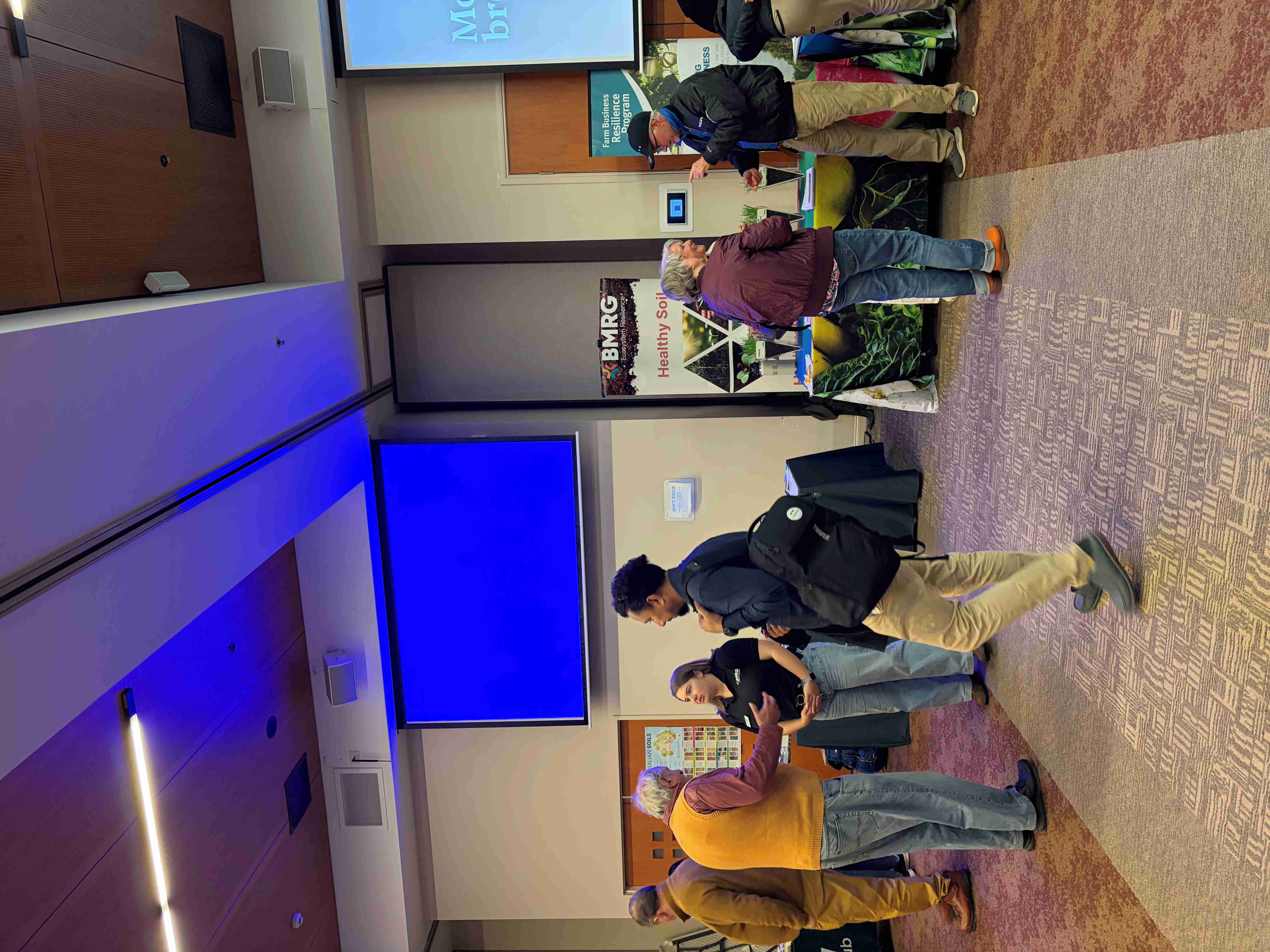
Over lunch and throughout the networking breaks, producers discussed the practices they were already implementing, compared experiences across different agricultural sectors and explored new ideas they could take home to their own properties. The relaxed setting encouraged open discussion between growers, researchers and industry professionals, reinforcing the value of bringing the sector together to learn from one another.
Healthy Land & Water Team Lead – Sustainable Agriculture, Vanessa Smolders, said the forum demonstrated the growing appetite for practical, evidence-based information that supports both productive agriculture and healthy landscapes.
"Healthy soils are fundamental to the future of agriculture. Bringing producers together with researchers and industry experts helps bridge the gap between science and practice, giving producers practical knowledge they can apply with confidence on their own properties," Vanessa said.
"Just as important were the conversations happening throughout the day. Seeing producers openly share experiences, ask questions and learn from one another is exactly what these forums are designed to encourage."
Healthy Land & Water thanks all speakers, exhibitors and attendees for contributing to another successful Agricultural Soils Forum, along with exhibitors from the SQNNSW Drought and Innovation Hub, Burnett Mary Regional Group, Queensland Fruit & Vegetable Growers and Healthy Land & Water.
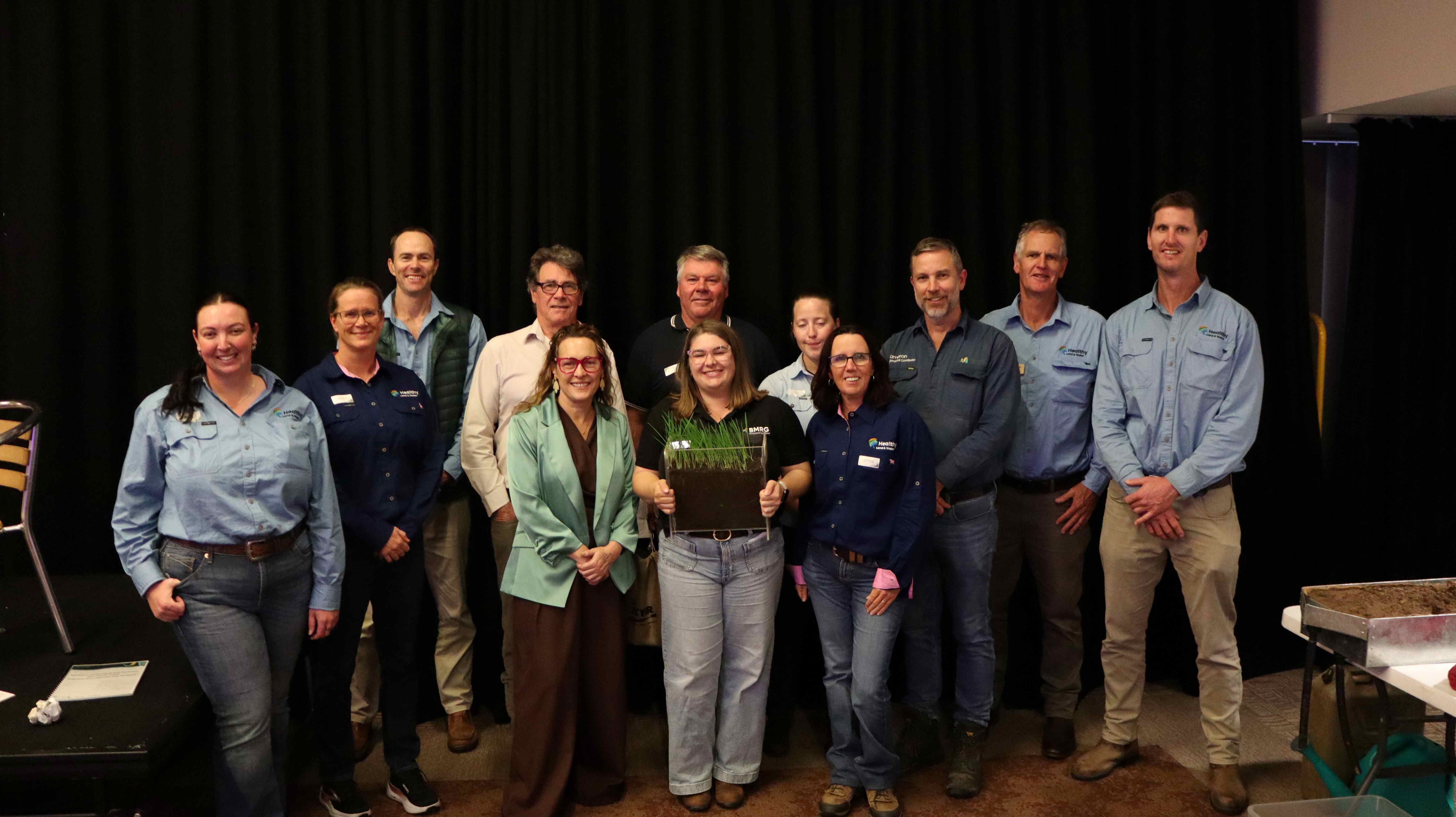 Front row: Emily Hedger and Lene Knudsen (Healthy Land & Water), Rachel Chambers (Queensland Food Farmers' Commissioner), Rachel Cavallo (soil scientist with Burnett Mary Regional Group), and Vanessa Smolders (Healthy Land & Water). Back row: Grant Pringle (Healthy Land & Water), David Hall (independent agricultural consultant), Andrew Johanson (Mulgowie Farming Company), Taleta Bailey (Research Fellow at Queensland University of Technology), Cameron Leckie (Regional Soils Coordinator), Bruce Lord and Pat O'Connor (Healthy Land & Water).
The Agricultural Soils Forum 2026 was delivered by Healthy Land & Water and supported by the Australian Government through funding from the Natural Heritage Trust under the Climate-Smart Agriculture Program.


