
A day in the life of a biocontrol technician tackling Madeira vine
Behind every biological control agent released into Australia's environment exists a dedicated team conducting years of thorough research and testing.
At the Queensland Department of Primary Industries’ (QDPI) Ecosciences Precinct in Dutton Park, that work happens every day as part of the Riparian Weed Control Program. Funded by Seqwater and managed by Healthy Land & Water, a team of researchers and technicians are working to find safe, effective ways to support the management of invasive weeds like Madeira vine (Plectonycha correntina).
Why Maderia vine is a problem
Madeira vine is one of South East Queensland’s most aggressive invasive vine weed species and one of the hardest to control.
It grows rapidly, climbing over vegetation and forming dense curtains that:
- Smother and outcompete native flora – from smaller groundcovers to large mature trees.
- Block sunlight, preventing native species from regenerating.
- Reduce habitat availability for native animals.
It’s particularly destructive in riparian areas, where the loss of vegetation can impact bank stability and water quality – making it a major issue for source water protection.
In fact, according to Brisbane City Council, Madeira vine is regarded as one of the five most invasive plants in South East Queensland.
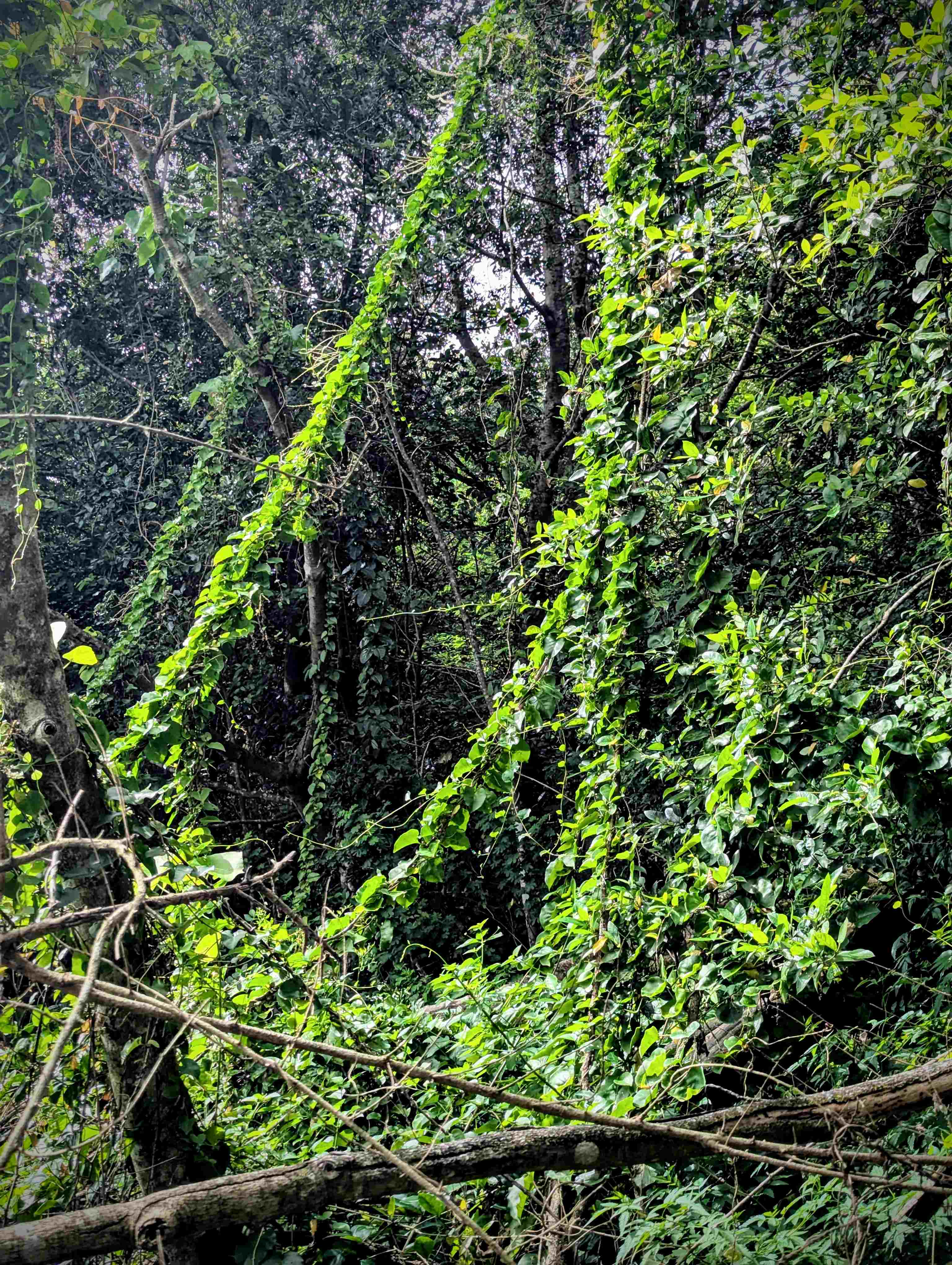 Madeira vine is a fast-growing invasive vine with the power to smother native trees, causing major destruction to riparian areas. Photo supplied by Lake Baroon Catchment Care Group.
Why biocontrol matters
Biocontrol offers an alternative to conventional methods such as manual and herbicide control – one that aligns more with natural environmental processes.
“Essentially, we’re trying to find something that will eat the weed,” explains Tamara Taylor, a researcher with QDPI's Biosecurity team.
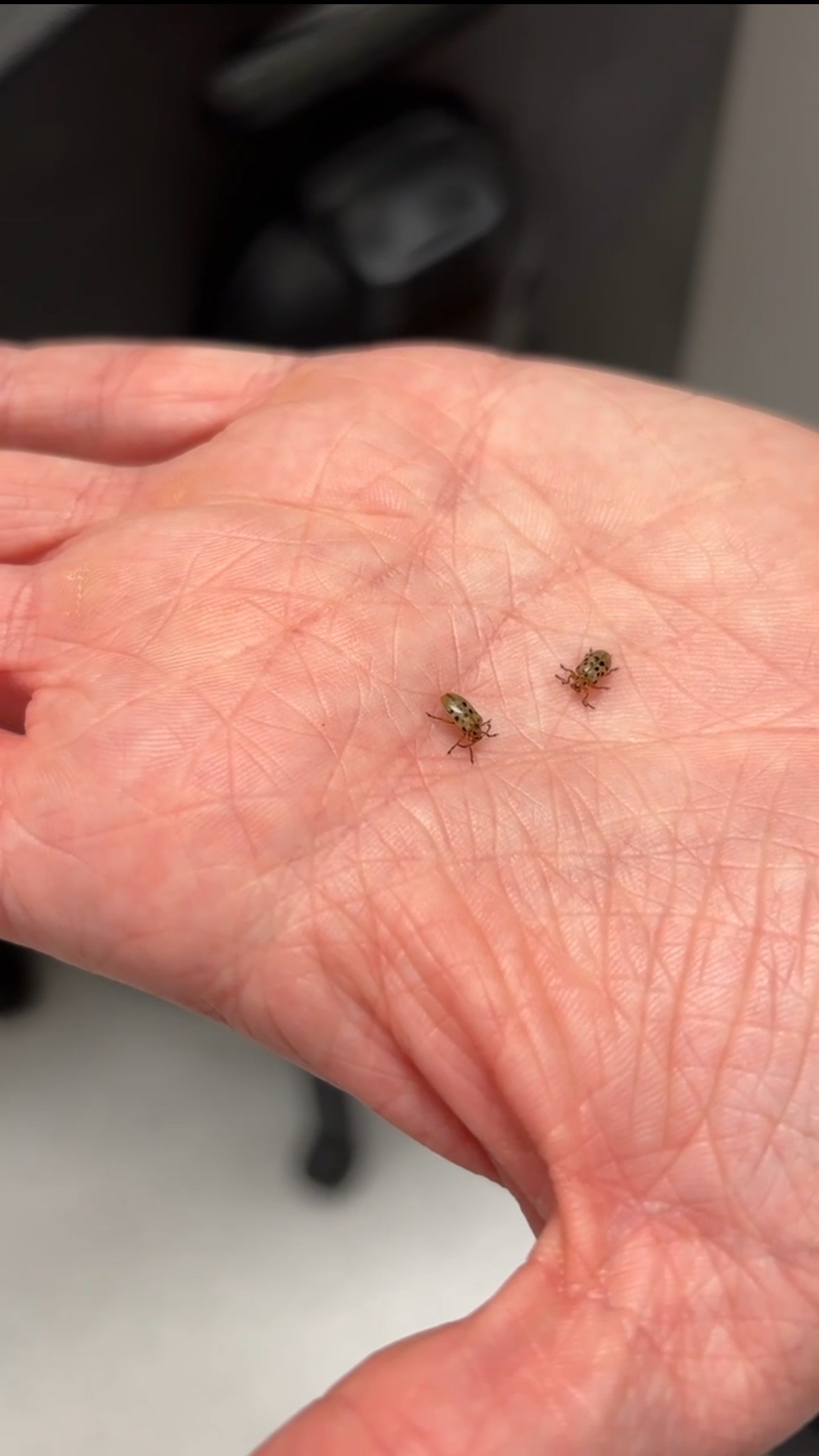 Madeira vine beetles (Plectonycha correntina) biological control agent.
When plants are introduced to Australia, they often arrive without the natural predators or competition that keep them in balance in their native environment. That’s what allows them to spread so aggressively.
Biocontrol aims to restore that balance – but only after rigorous testing.
“It’s a highly regulated process,” Tamara says. “We need to make sure any potential agent is safe, specific to the target weed, and won’t impact crops, native species or industry.”
From field to facility
Before testing begins, researchers need to trace the weed back to its origin.
For Madeira vine, it’s a complicated process. The plant has spread prolifically around the world for centuries and in some countries has medicinal and economic value.
“We have to determine the native range, which can be quite complex,” Tamara explains. “Then we apply for permits, work with international partners, and collect samples to properly identify the species.”
Once this groundwork is complete, potential biocontrol agents – like insects – can be collected and brought into Australia under strict quarantine conditions.
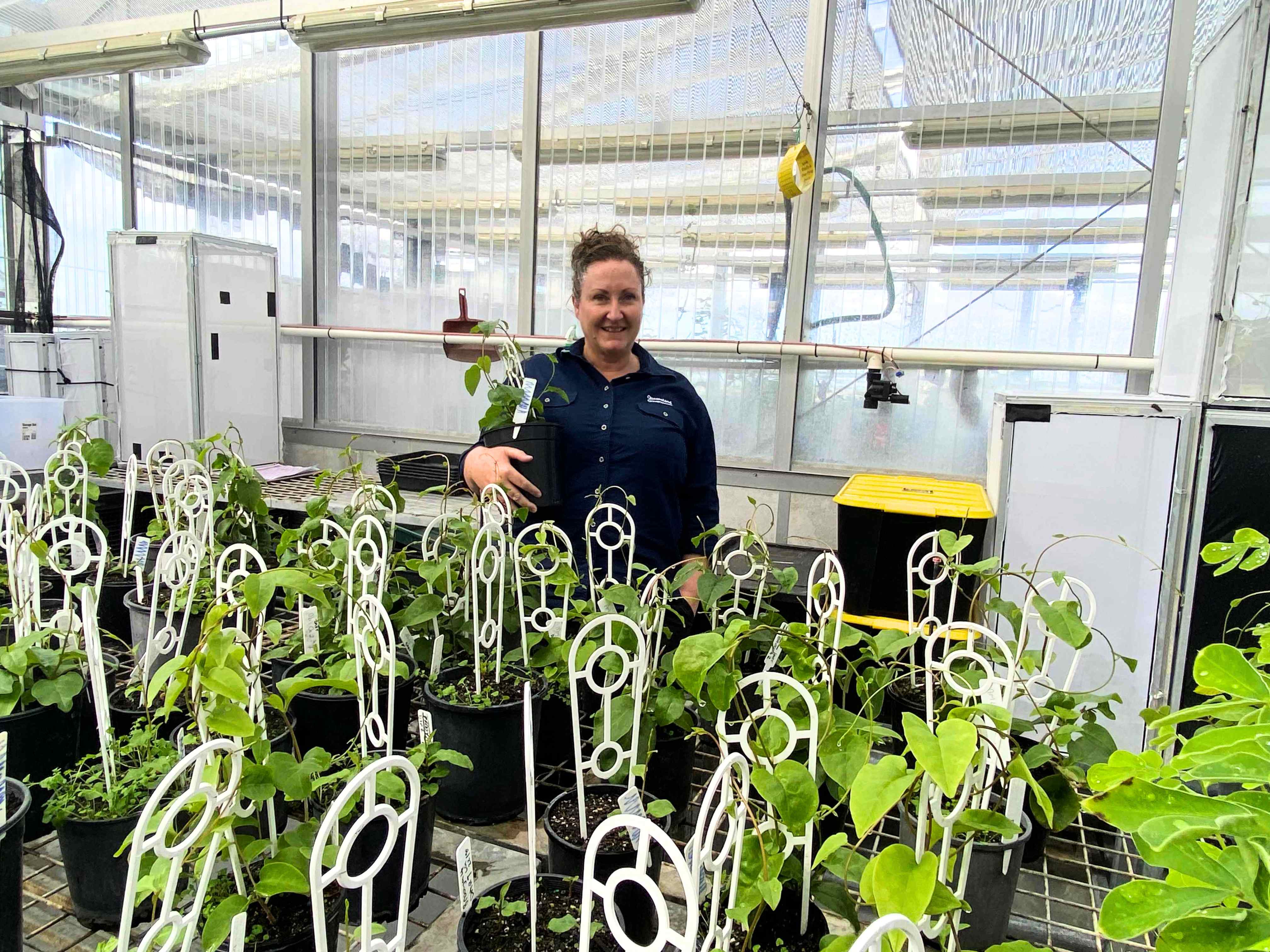
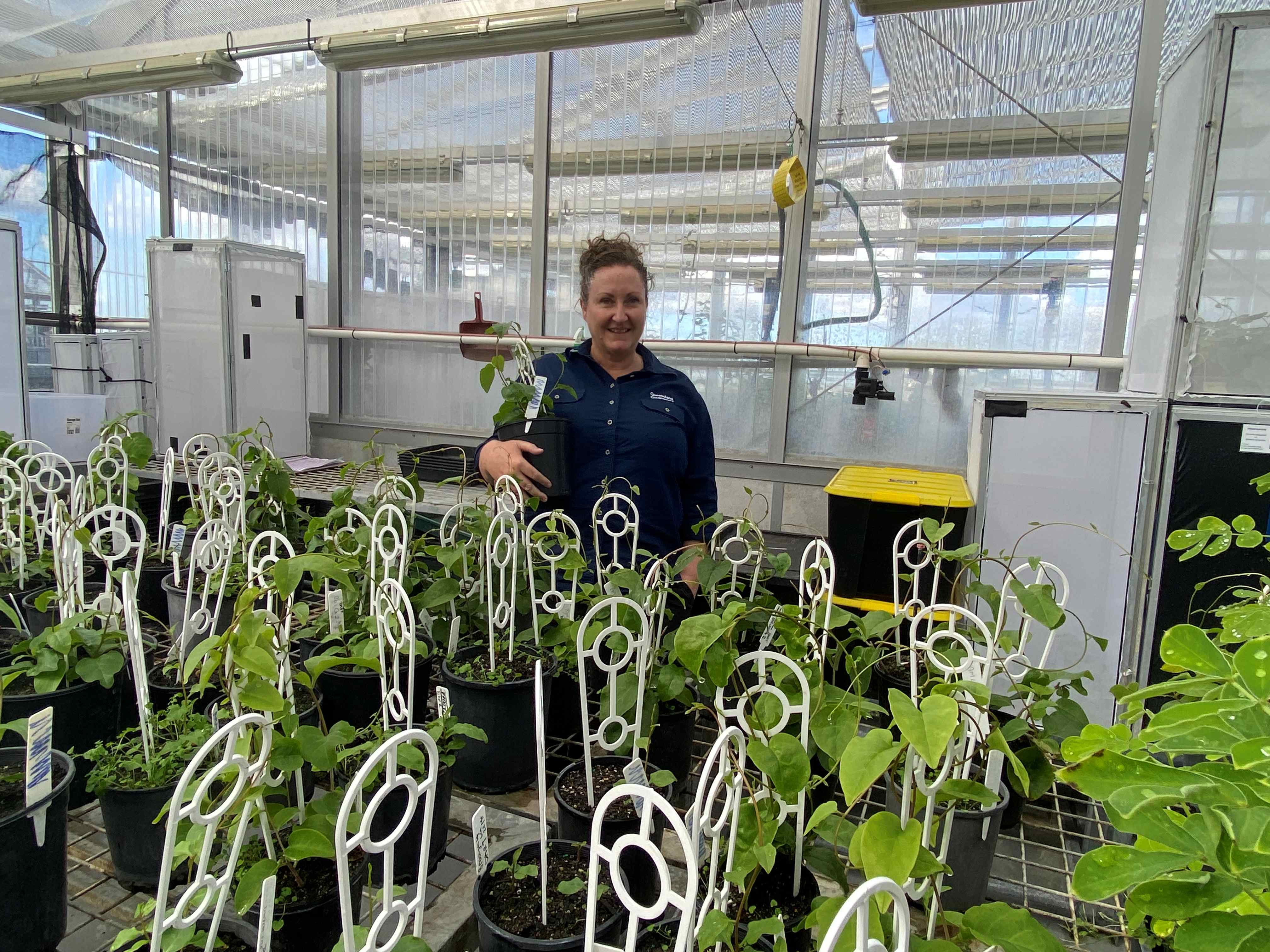 DPI Invasive Plants and Animals scientist, Tamara Taylor, with Madeira vine plants growing for experiments in one of the controlled environment glasshouses at Ecosciences Precinct, Dutton Park.
Inside quarantine
When a potential new agent arrives in the country, it enters a highly controlled environment where technicians can commence their research.
Here, everything is about control and precision – keeping host plants healthy, maintaining insect cultures, and ensuring no contamination occurs.
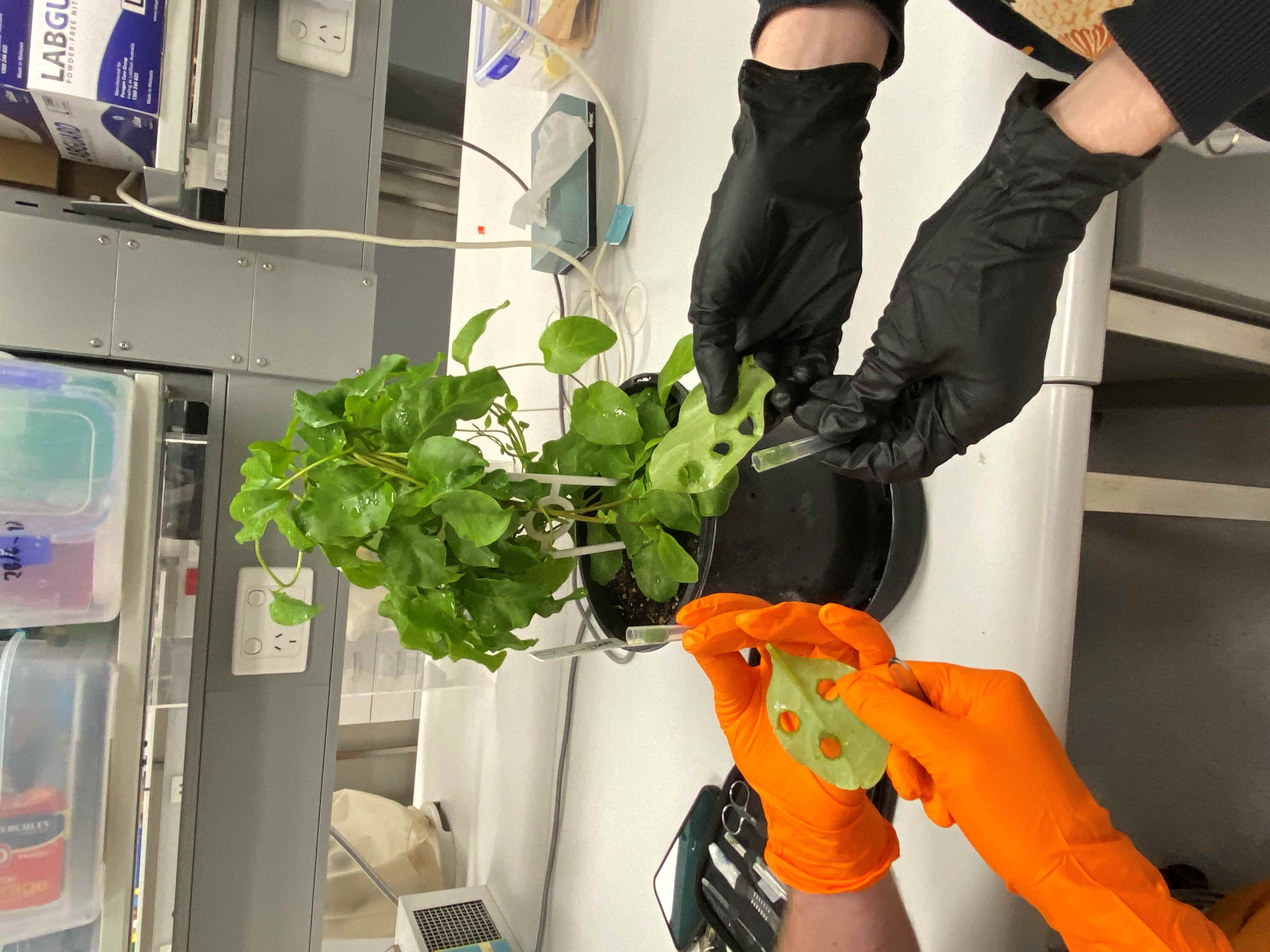 QDPI Technicians collecting Madeira vine leaf samples for genetic analysis
A day in the life
For the technicians working on the Madeira vine project, no two days are quite the same, but the work follows a careful rhythm.
A typical day starts in the glasshouse, which includes:
- Checking plant health and growth.
- Trimming fast-growing Madeira vine.
- Managing pests.
- Adjusting temperature and environmental conditions.
“Plant maintenance can take up a quarter of the day,” Tamara says. “Everything needs to be clean, healthy and consistent.”
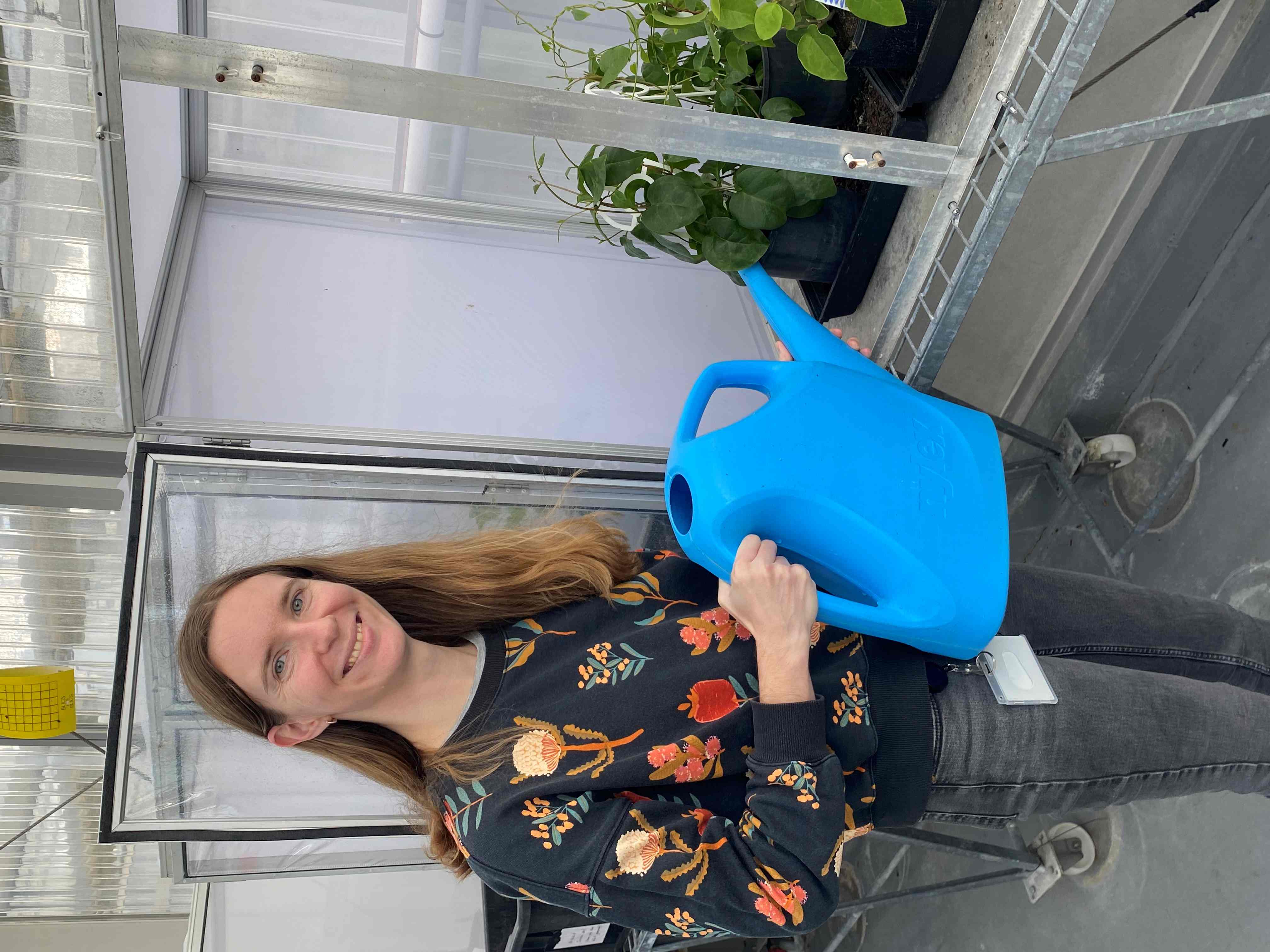 QDPI technician, Jessica Addley-Cook, maintaining the health and vigour of Madeira vine plants to ensure they are suitable for testing.
From there, the focus shifts to experimentation.
Inside quarantine, technicians monitor insect cultures, including the Madeira vine beetle. They track how the insects behave – when they lay eggs, how they develop, and whether they survive under different conditions.
This work is critical to understanding whether a biocontrol agent will persist in the real world.
“We’re looking at the biology of the insect and how it might perform in the field,” Tamara explains.
Technicians also undertake detailed recording and reporting, ensuring every observation contributes to the broader research program.
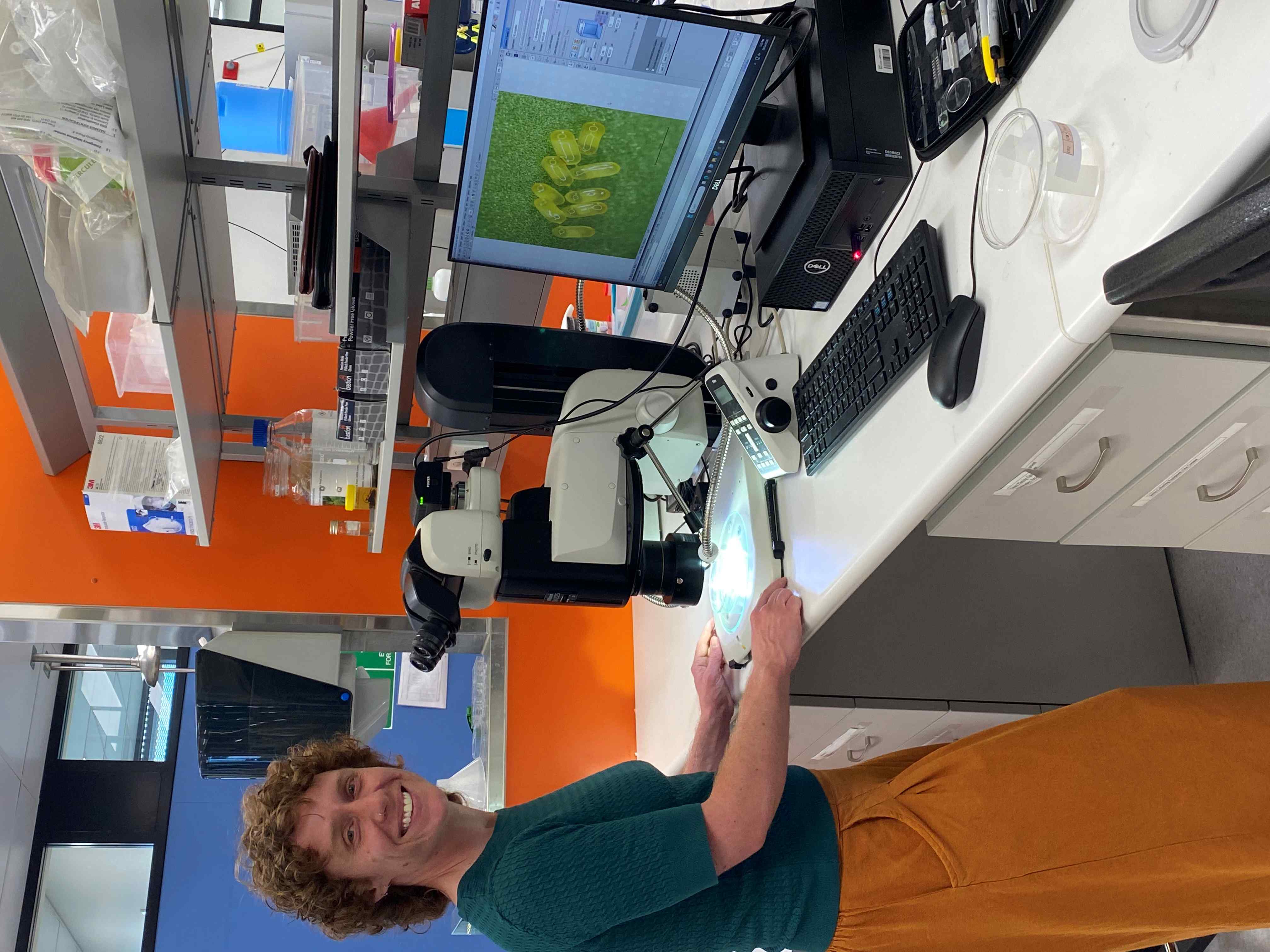 QDPI Technician Lou Gill measuring Madeira vine beetle eggs while undertaking experimental trials.
Outside the laboratory, the work continues with the collection of leaf samples for DNA analysis, preparing specimens, and collaborating with specialists in genetics, statistics and habitat modelling.
It’s a true team effort.
Testing for safety
Before any biocontrol agent can be released, it must pass rigorous host specificity testing.
That means observing whether it will harm anything other than the target weed.
“We test a whole range of species, especially closely related plants,” says Tamara. “The goal is to make sure the agent only targets Madeira vine.”
This phase can take years. Every result is documented and compiled into a detailed submission to the Australian Government, followed by a public consultation process.
Some agents never make it past this stage.
“Only the ones we’re really confident in get submitted,” she says.
Quiet achievers
Biocontrol research can take many years – from early investigation through to release and monitoring.
Once an agent is approved for release into the Australian environment, the deployment process is often transferred to land managers, councils and community groups.
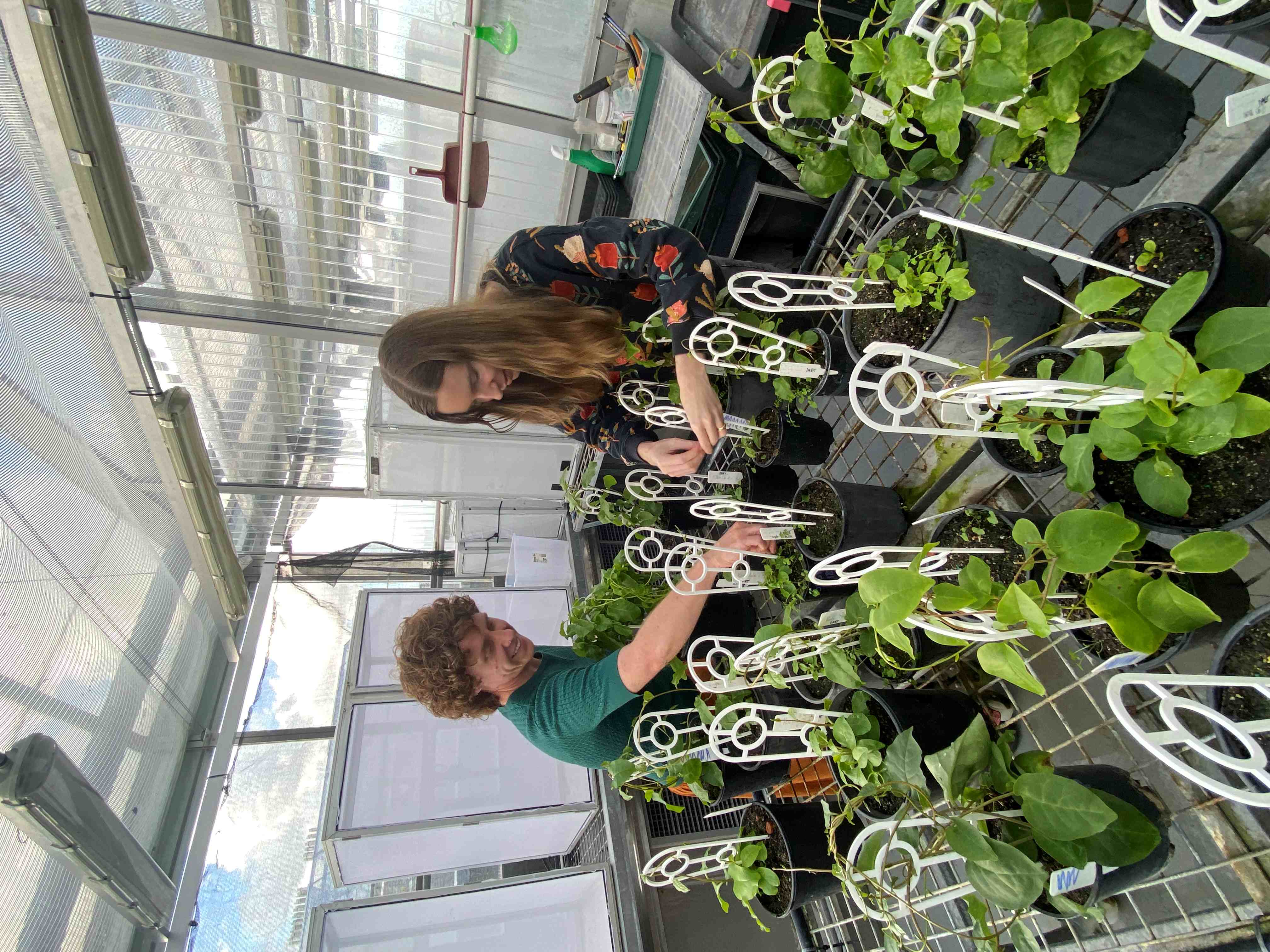 QDPI technicians, Lou and Jessica giving the plants a bit of TLC.
“A lot of people don’t realise how much work goes into it,” Tamara says. “We spend years on these projects, and then they just quietly start making a difference.”
But that quiet impact is exactly the goal.
By supporting research like this, Healthy Land & Water and Seqwater are helping to build long-term, sustainable solutions to invasive species – protecting South East Queensland’s waterways, ecosystems and communities for the future.
This weed control program is made possible through funding from Seqwater, with the objective of preserving the condition of our catchments that provide drinking water to the region’s population.


