
El Niño has officially been declared: how can SEQ prepare?
The Bureau of Meteorology has announced an El Niño event for the second half of 2026.
What does this mean for Queensland's environment?
El Niño is a natural Pacific Ocean cycle that typically brings warmer and drier conditions to central and eastern Australia. However, other climate factors also influence our weather, so it’s difficult to predict exact patterns like rainfall in the months ahead. As a result of intensifying climate change affects, El Niño and La Niña event frequencies have increased and have become more severe.
El Niño and La Niña are opposing weather periods of a natural climate pattern. Where La Niña brings increased flooding events, rainfall and tropical cyclones, a El Niño creates hotter and drier conditions and can last from six months to two years.
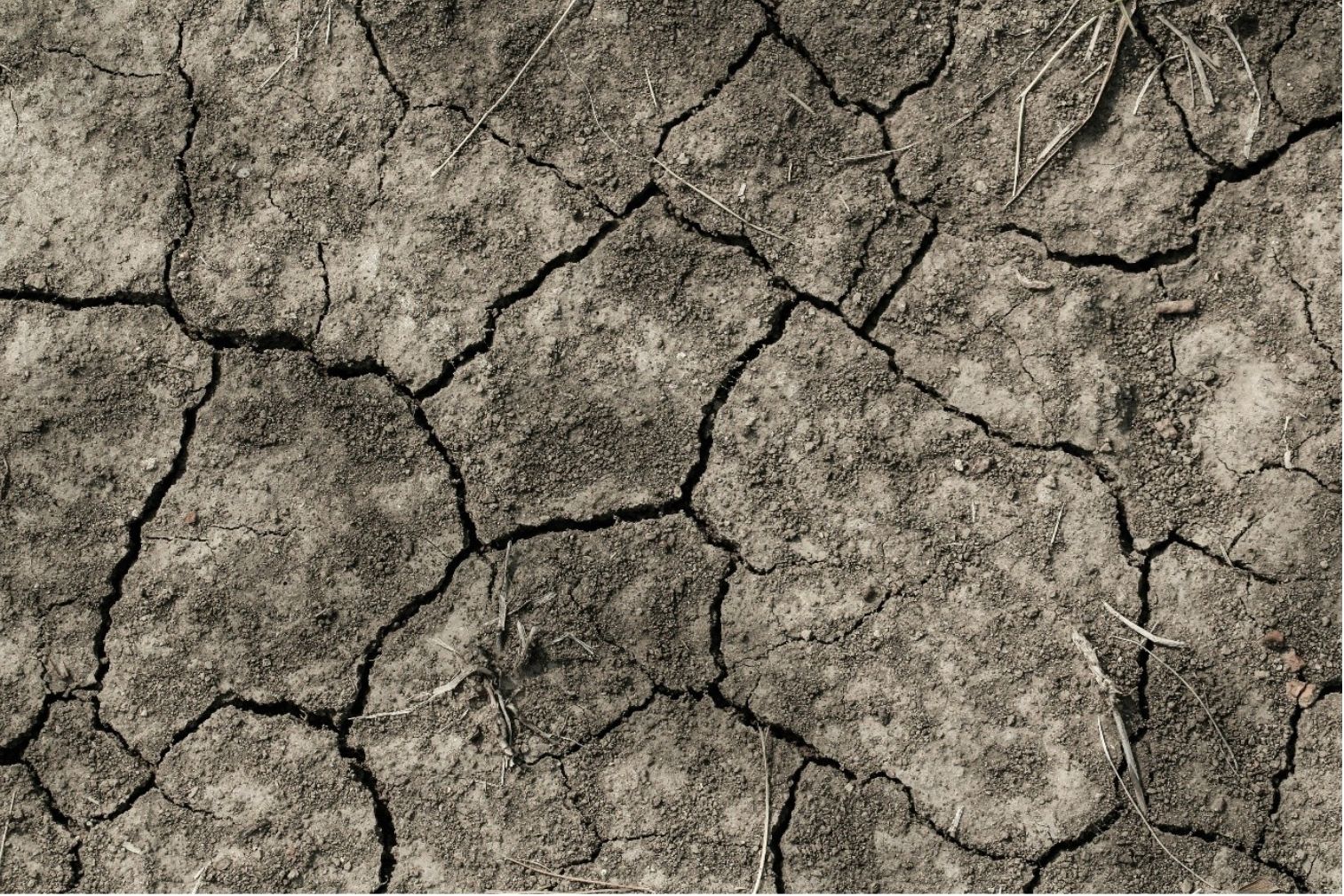
These El Niño periods can bring far more effects than decreased rainfall. During this time there are often warmer-than-normal temperatures as cloud cover is diminished. These higher temperatures can greatly lessen rainfall by rising evaporation.
The chances of heatwaves, prolonged warm periods and extreme single-day temperatures all rise during an El Niño. According to the Queensland Government Department of the Environment, Tourism, Science and Innovation, heatwaves are more dangerous to Queenslanders than any other natural hazard combined.
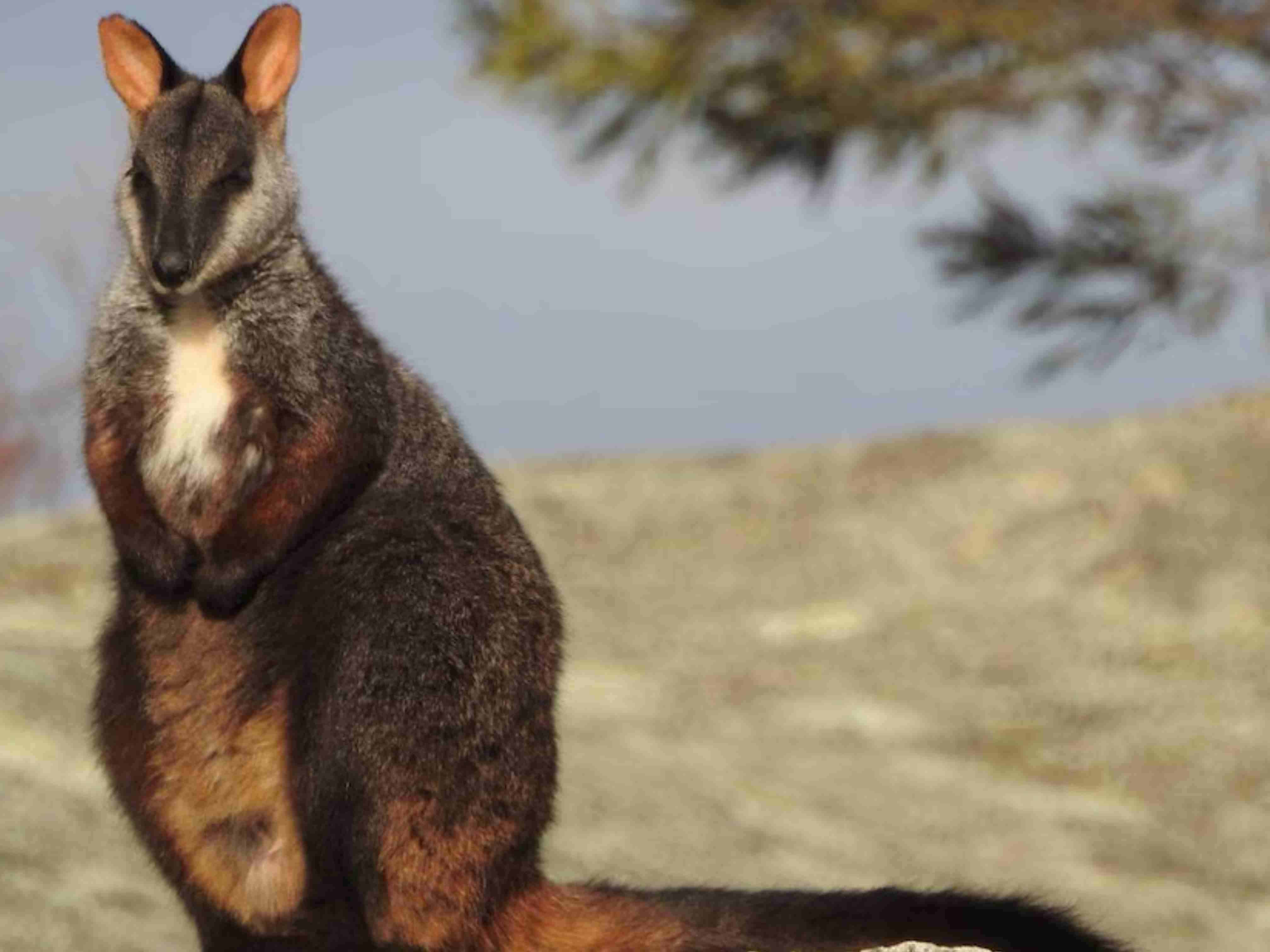
These sustained periods of extreme temperatures are not only dangerous to humans but our precious wildlife as well. Many species are at risk of heat stress as they are not prepared for the unusually hotter conditions and therefore, have a heat tolerance limit. To assist animals during heatwaves, you can provide water sources and shady shelter around your property. If you discover sick or injured wildlife, it is important to report via 1300 ANIMAL (1300 264 625), for information on how to connect with wildlife carers in your area.
How does this affect local fire ecology?
As a result, the El Niño periods can also bring higher fire dangers and amplify the severity of fire seasons in parts of eastern Australia. If an El Niño phase begins after a La Niña period, the thick vegetation that flourished during the wet season will dry out and become a significant fire risk, which has been forecasted for the second half of the year.
Warmer and drier conditions can influence how landscapes respond to fire. Under El Niño conditions, fine fuels, such as grasses, leaf litter, bark, and small branches, can dry out more quickly and earlier in the season. This can increase the frequency and duration of elevated fire danger periods, particularly in grassland and open forest environments.
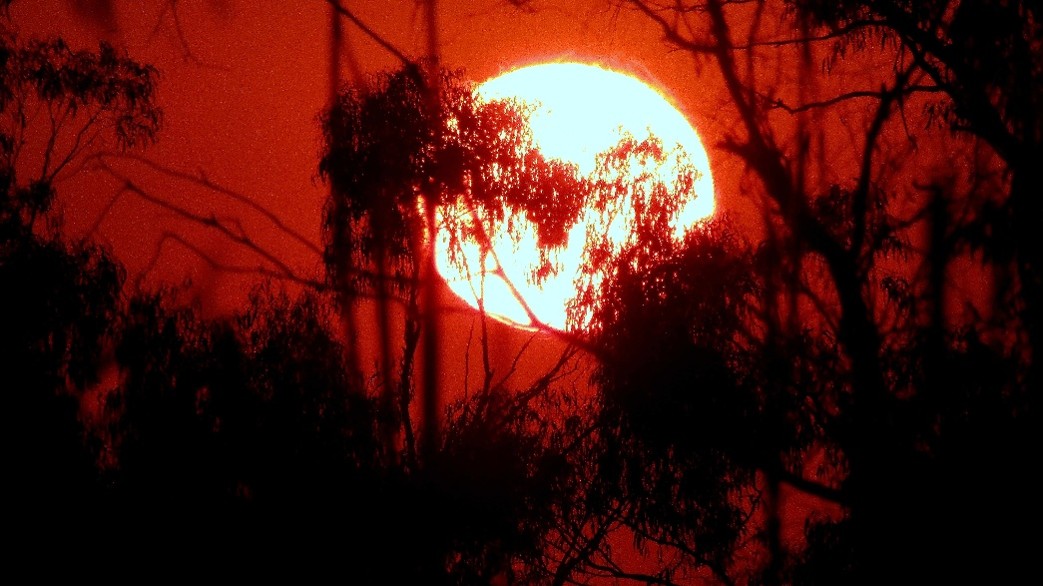
These conditions can also affect how fire behaves. Fires may spread more quickly, burn more intensely, and be harder to contain, particularly when combined with wind and low humidity.
For land managers and practitioners, this can narrow the window for safe and effective planned burns. Drier fuels can lead to faster fire spread, while changing atmospheric conditions can make smoke management more challenging. Careful planning and monitoring of local conditions become even more important during these periods.
What can landholders do to prepare?
There are several practical steps landholders can take to prepare for drier conditions and increased fire risk:
Revisit your Property Fire Management Plan
Review at-risk areas, access tracks, water sources, and critical infrastructure. Ensure your plan reflects current conditions and aligns with seasonal forecasts and local fire management guidelines.
Prepare for fewer burn opportunities
Drier conditions may reduce safe windows for planned burning. Stay informed about local burn criteria and approvals, and consider alternative strategies if conditions are not suitable.
Manage fuel loads
Reducing fine fuels is one of the most effective ways to lower bushfire risk. This can include mowing, slashing, or grazing where appropriate, trimming low-hanging branches, and removing excess dry material such as leaves, grass, and fallen timber around buildings and high-value areas.
Understand your responsibilities
Managing bushfire risk is a shared responsibility, but landholders have a legal obligation to take reasonable steps to manage fire hazards on their property and prevent fire from spreading. This includes maintaining defensible space and staying aware of conditions in your area.
 Bushfire Survival Plan.
Don't wait until bushfire season arrives
While El Niño is a natural part of Australia’s climate system, its effects can be more noticeable when combined with existing dry conditions or previous periods of high vegetation growth.
Don't wait until bushfire season arrives. Build your knowledge, strengthen your preparedness and connect with local experts through Healthy Land & Water's bushfire preparedness workshops. Our workshops are designed to help landholders take practical action to reduce risk, protect assets, and contribute to more resilient landscapes and communities. Find upcoming workshops and events here.
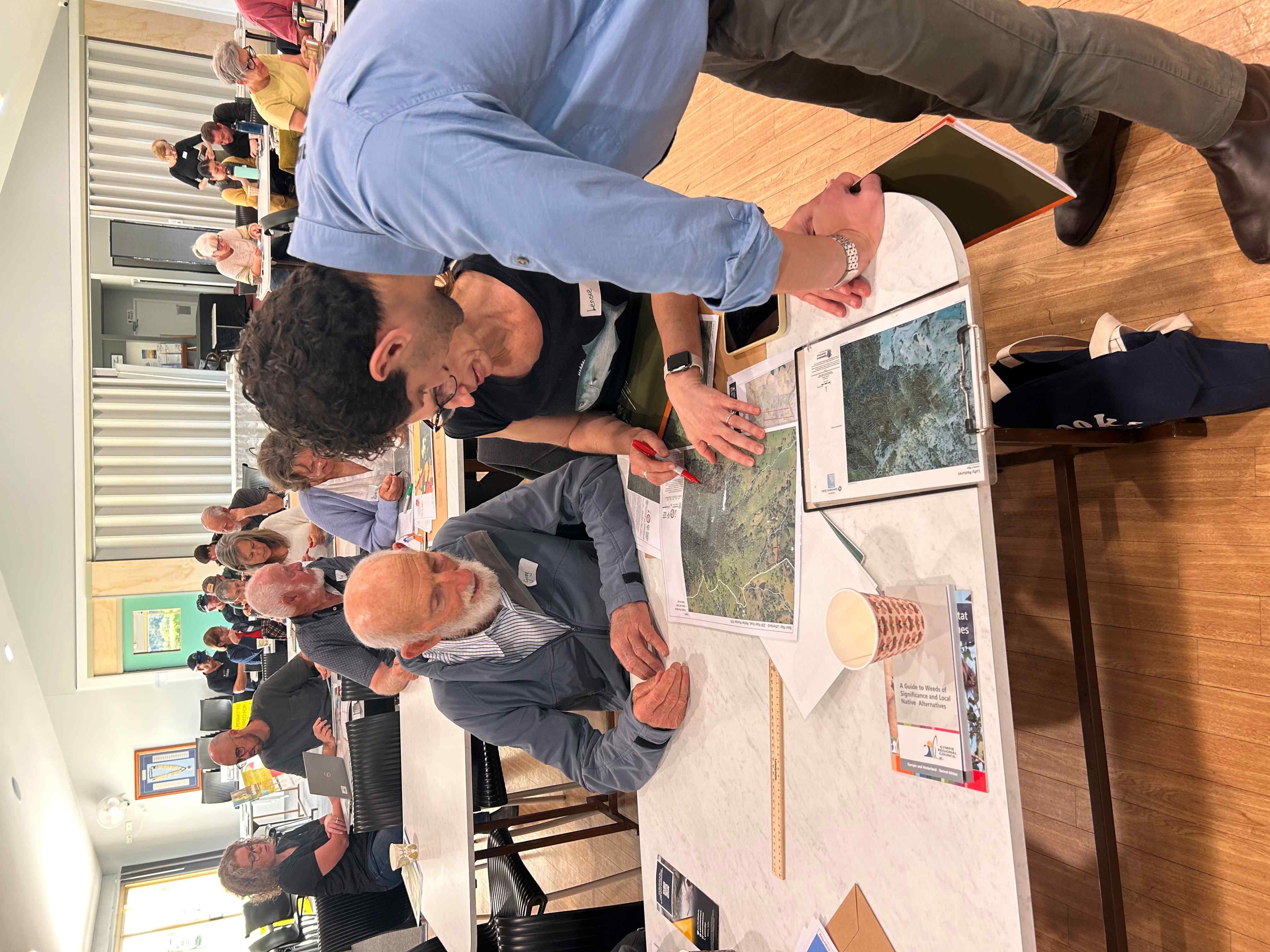 Landholders working with our Fire Ecology and Preparedness team on their property maps to create a property fire preparedness plan. Gympie, 2026.
Staying informed, planning, and taking practical, property-level actions can help reduce risk. These steps not only support individual landholders but also contribute to safer, more resilient communities across South East Queensland.
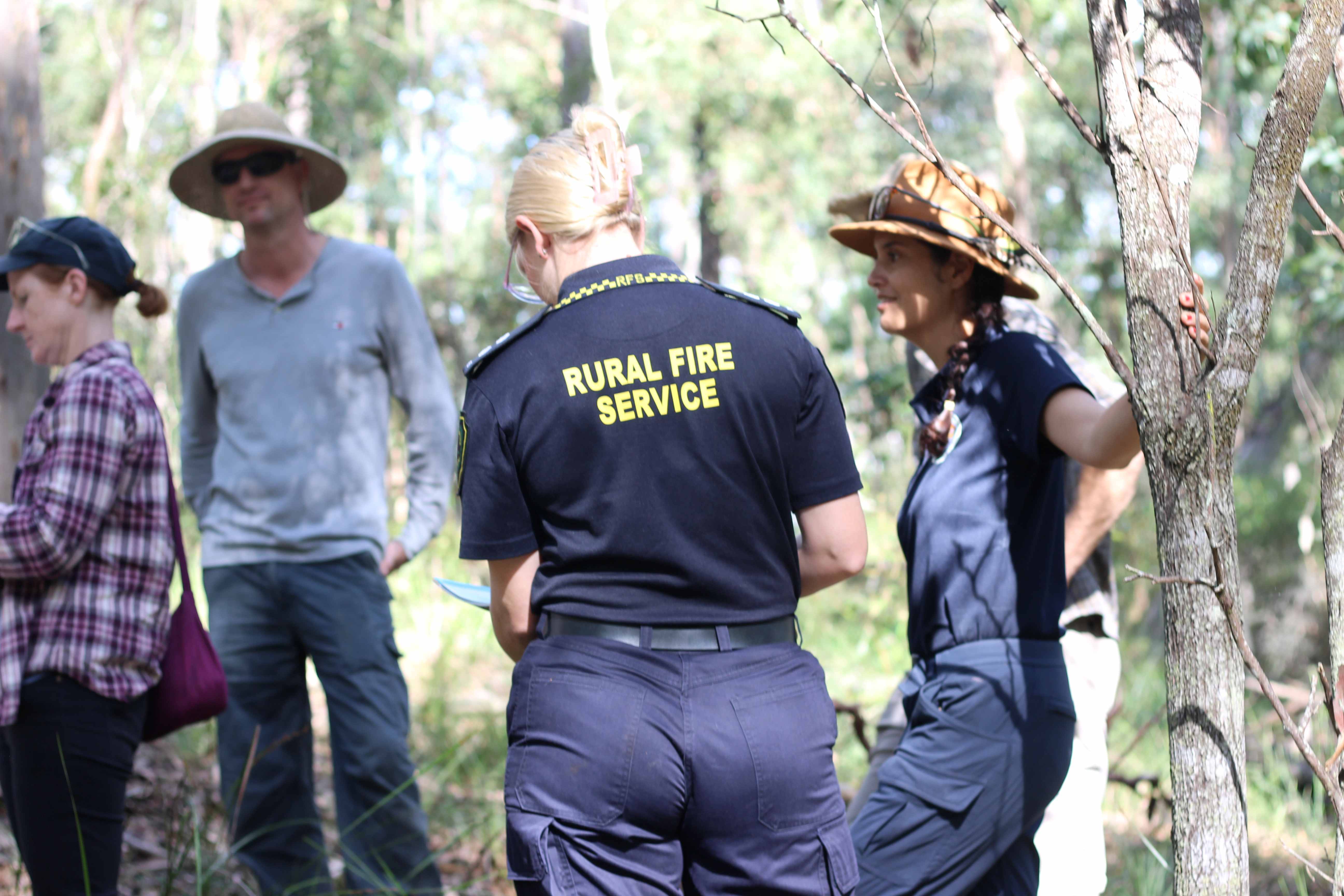 Rural Fire Service Queensland member at our QFBC Backing onto Bush workshop, Brisbane 2024.


