
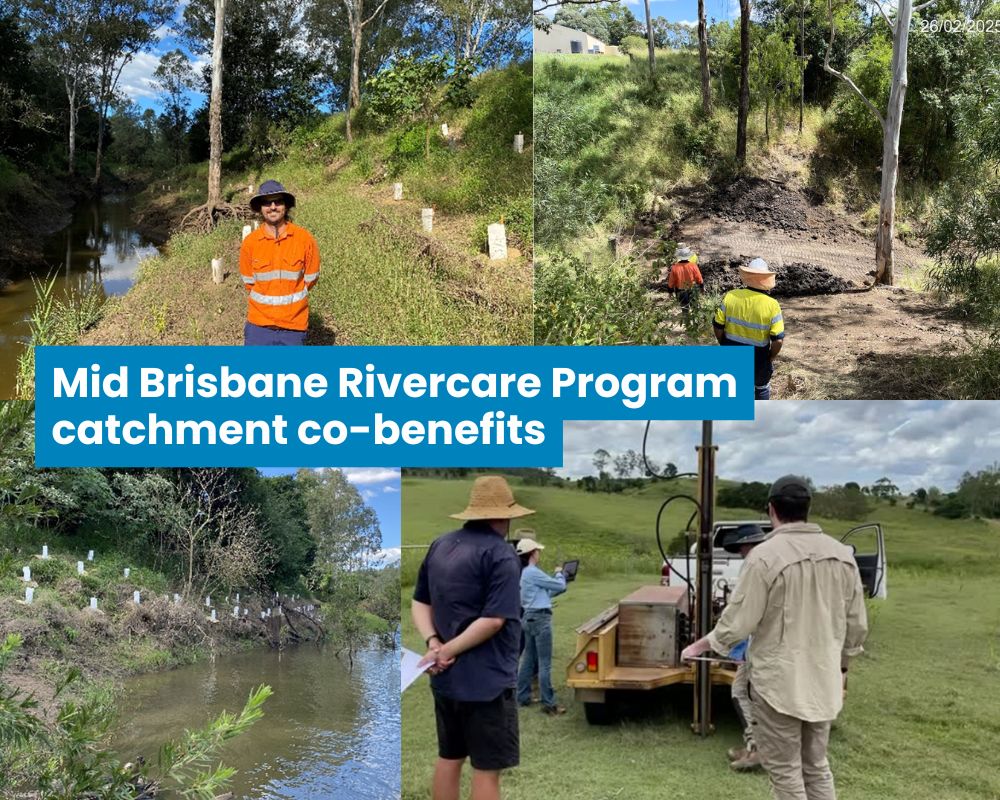
The Mid Brisbane Rivercare Program: a win-win for landholders and the Mid Brisbane water supply
Water security is essential to our quality of life, and with growing community needs, protecting raw source water from contamination is more important than ever. That’s where the Mid Brisbane Rivercare Program comes in. Thanks to Seqwater’s investments, this program combines local landholder knowledge with Healthy Land & Water’s environmental engineering expertise to tackle water quality issues through direct, effective action on private properties.
Read on to find out more about how this program is helping the Mid Brisbane catchment.
Protecting over a million hectares of land in South East Queensland’s (SEQ) drinking water catchments is a monumental task, but the dedication and collaboration of private landholders are driving practical solutions to real environmental challenges in the Mid Brisbane catchment.
The program’s success is found by ensuring projects benefit both landholder interests and the Mid Brisbane water supply. Project managers work with landholders to identify common problems faced around bordering waterways and provide educational, financial and technical support to install practical on-ground solutions that protect water sources and improve land productivity.
Cleaner raw water in, more treated drinking water out to communities
The Mt Crosby East Bank and West Bank water treatment plants are the primary source of drinking water for the greater Brisbane and Ipswich areas. Improving the quality of the water coming into the water treatment plants reduces energy needs of keeping the water that goes out to everyone’s taps safe and clean. This allows individual treatment plants to accommodate changes in water needs of a rapidly growing population in South East Queensland.
By securing sensitive river and creekbanks, landholders in the Mid Brisbane Rivercare Program help prevent valuable topsoil from being washed away into the filters of the water treatment plants, where it slows down treatment systems. The Mid Brisbane Rivercare program gives Mid Brisbane landholders the unique opportunity to protect source water for millions of people in SEQ.
This program is backed by Seqwater, as part of their focus on broadscale catchment management protection as the first step to ensuring a clean, safe, and sustainable drinking water supply for SEQ.
We’re helping landholders who are bordering source waterways in the Mid Brisbane catchment with these common challenges:
Weed control
 |
 |
| Source water win | Landholder win |
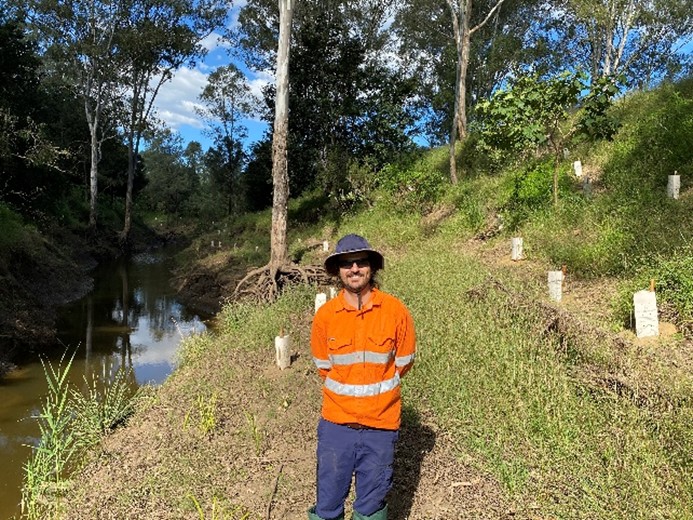
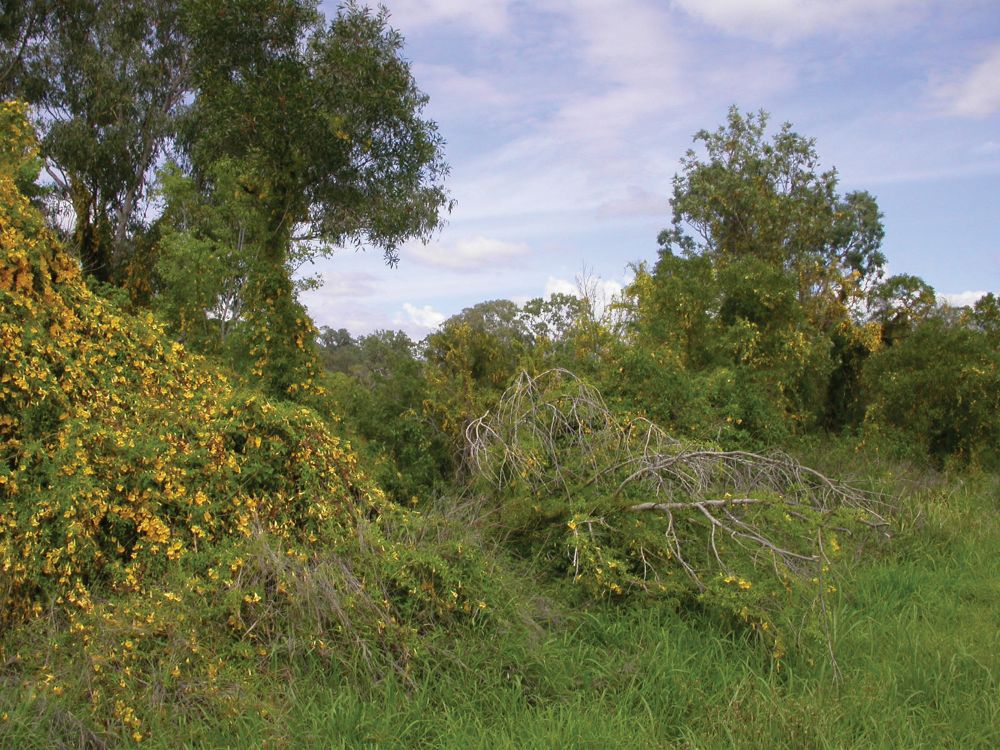
| Weeds in riparian zones broadly have shallower roots than native vegetation, leading them to be more prone to wash away in heavier flow events. They also compete with and can even kill deep rooted native vegetation. Controlling weeds allows native plants to thrive and better anchor down river and creek banks. | Weed encroachment reduces forage productivity and may cause undue livestock stress. Controlling weeds benefits forage conversion in paddocks. |
External and internal stock fencing
 |
 |
| Source water win | Landholder win |
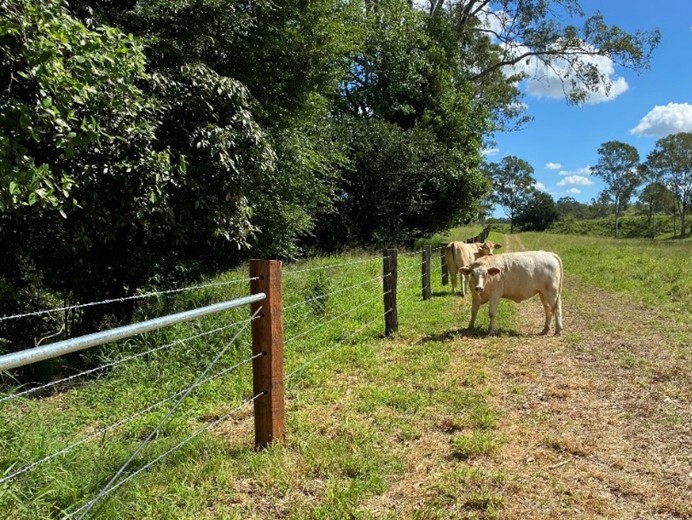
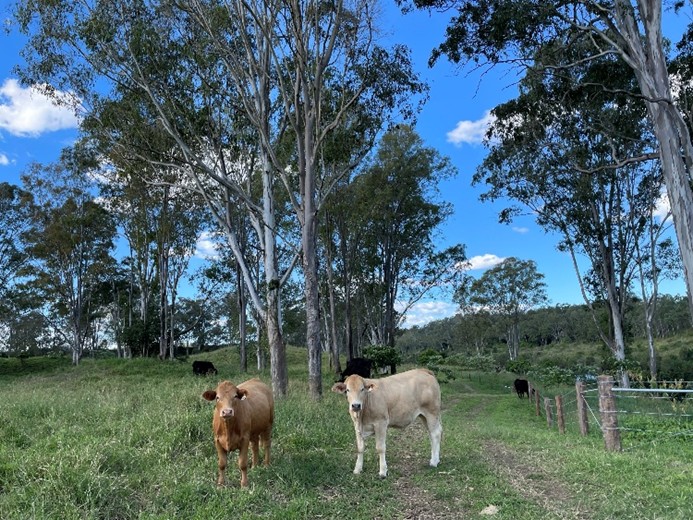
| Fencing stock from waterways keeps important erosion-stopping vegetation from being trampled or eaten, keeping the riparian zone more resilient to high flow events. | Better management of stock around waterways and on-farm reduces stress from injuries around waterways. |
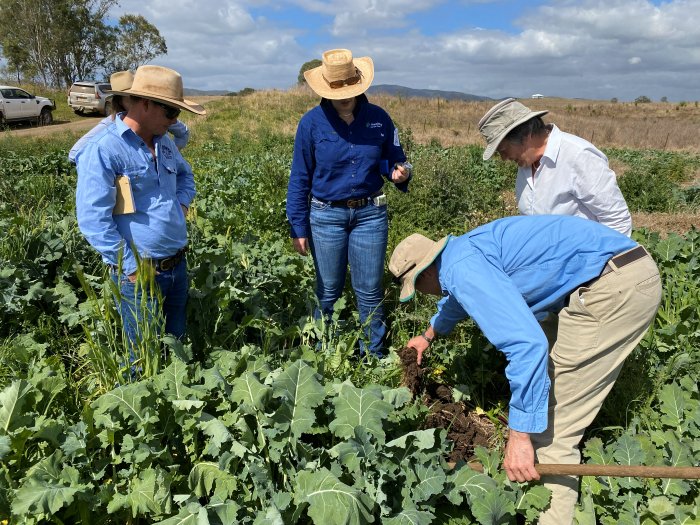
Diagnosing paddock productivity issues
 |
 |
| Source water win | Landholder win |
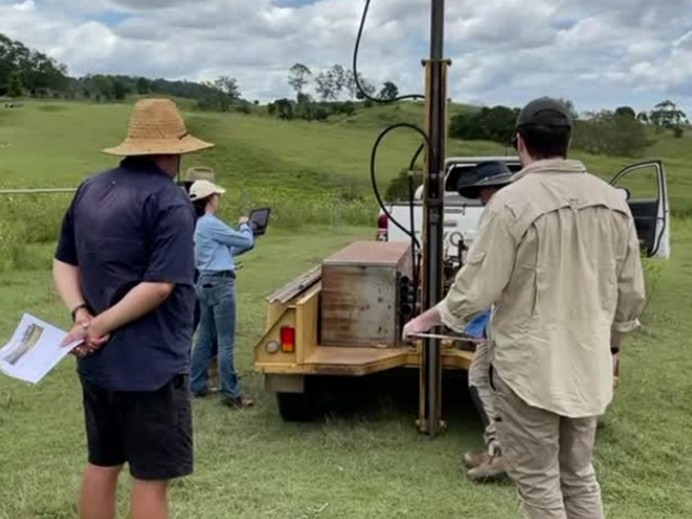
| Understanding paddock productivity issues through comprehensive chemical and physical analysis allows for more targeted soil solutions, contributing to solutions with less risks of chemical fertilizer and sediment runoff. | These diagnostic tests help landholders understand their soil’s drainage and fertility, as well as identify plants suited to the soil type. This knowledge enables them to make more informed decisions about amending or improving the soil. |
Installing off-stream watering
 |
 |
| Source water win | Landholder win |
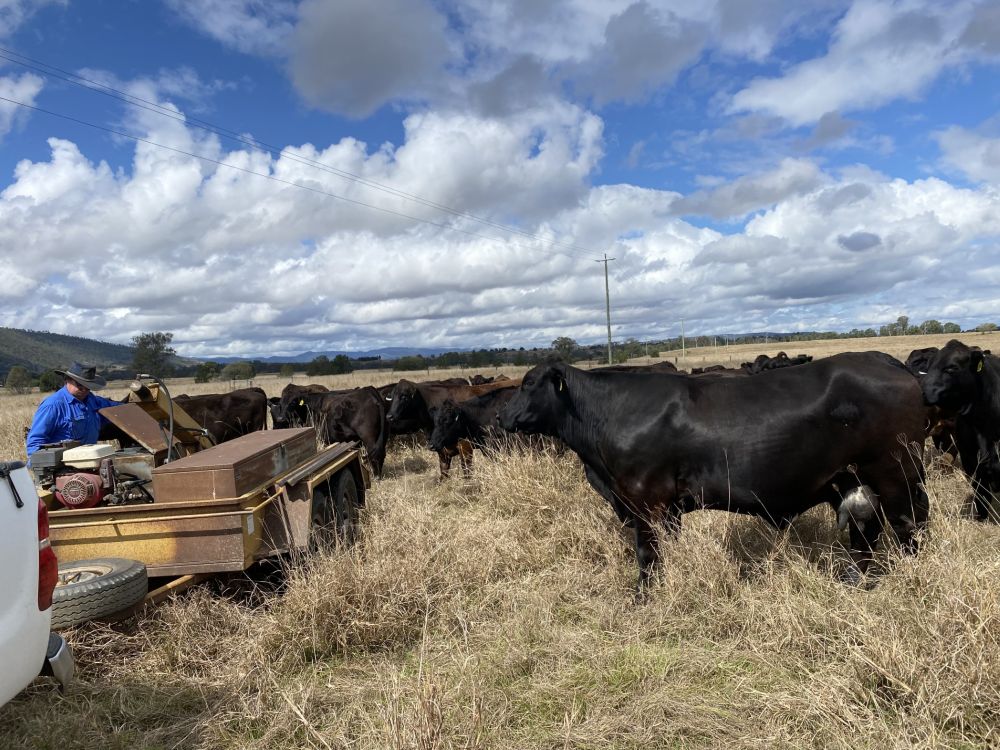
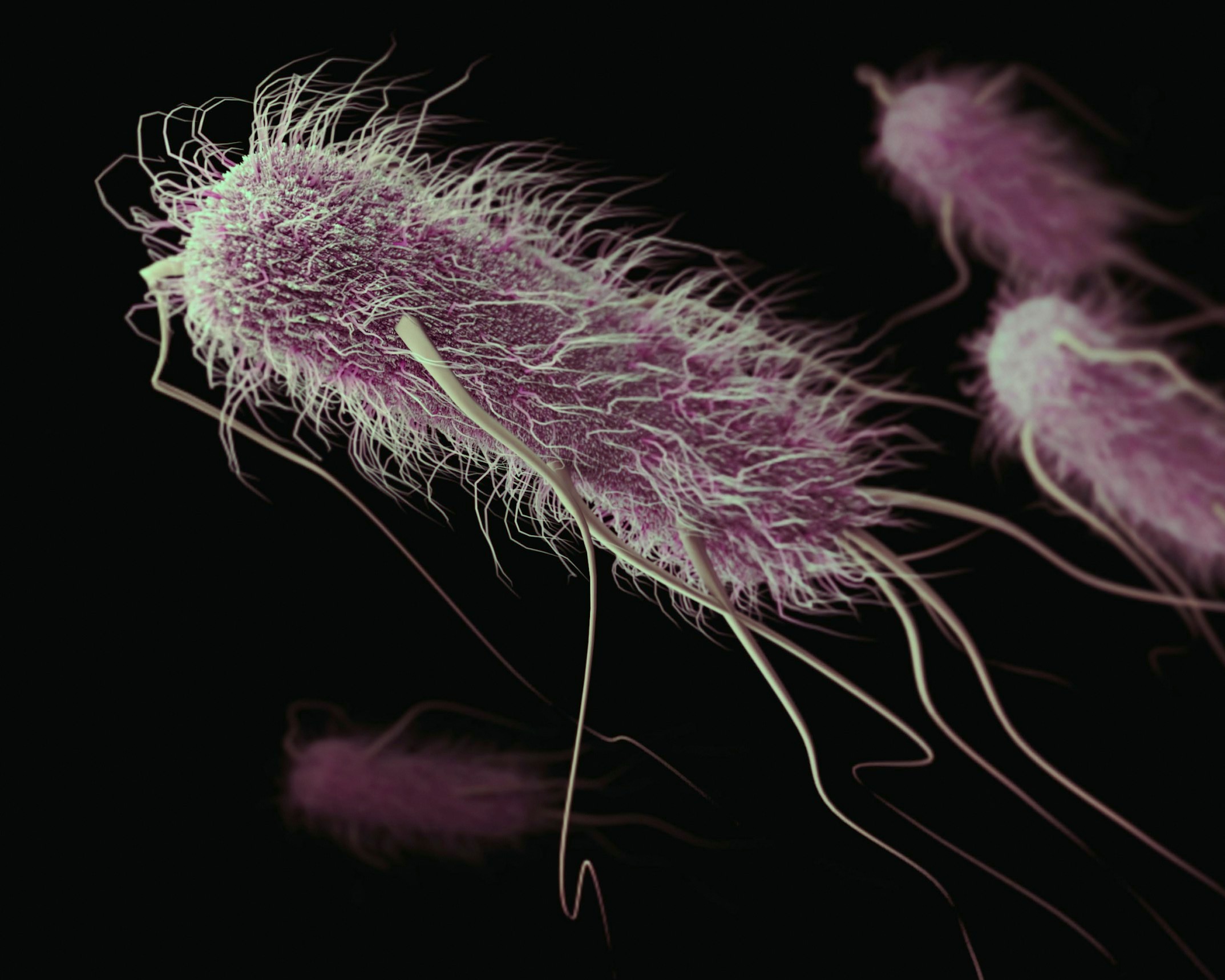
| Off-stream watering points decrease risks of livestock runoff and pathogens entering waterways. | Providing off-stream access to water allows landholders better protection from potential waterborne pathogens from upstream sources. |
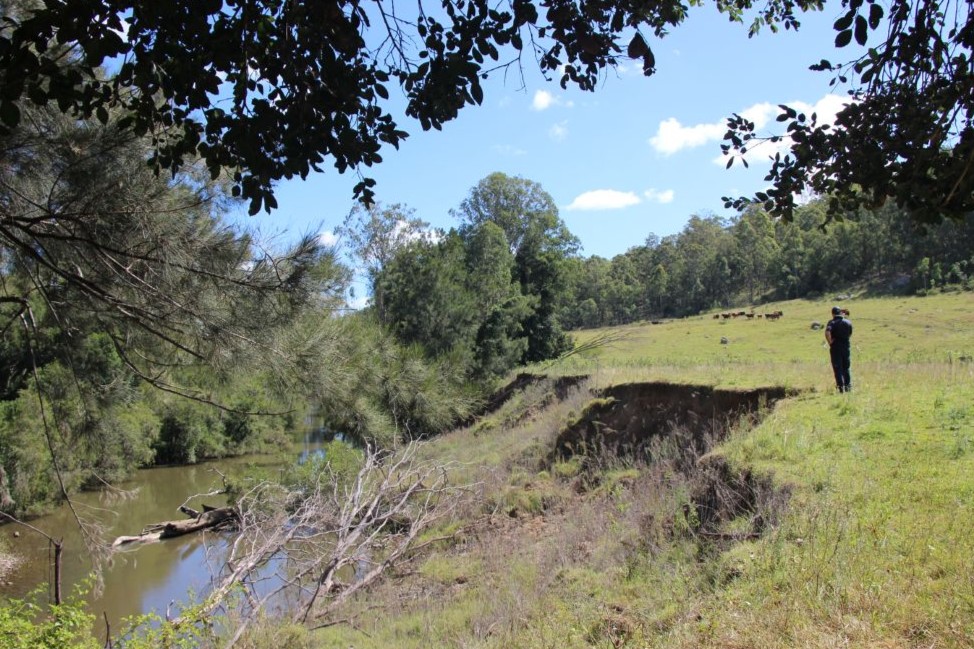
Erosion control: civil works for gullies and streams
 |
 |
| Source water win | Landholder win |
| In high flow areas with histories of frequent significant erosion, civil erosion control measures quickly decrease sediment from entering waterways and stop new plantings from being washed away. | Civil erosion control measures like concrete mat chutes are a cost-effective option that integrates into the ecosystem, allowing native plants to grow through and support the structure, ultimately reducing erosion risk and conserving valuable topsoil. |
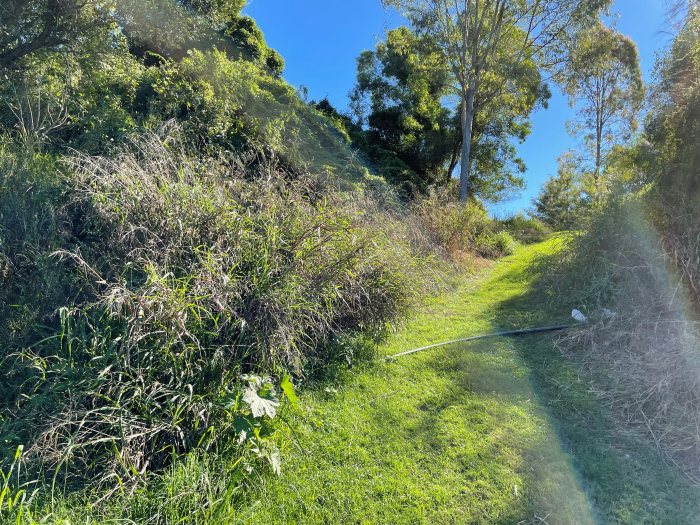
Erosion control: riverbank revegetation
 |
 |
| Source water win | Landholder win |
| Revegetation of riparian zones protect waterways for years to come through anchoring riverbanks with the complex root systems of native plants, preventing more sediment entering the water. | Revegetation around waterways protects biodiversity in the area, helping native wildlife thrive, and mitigates against erosion risks to important infrastructure. |
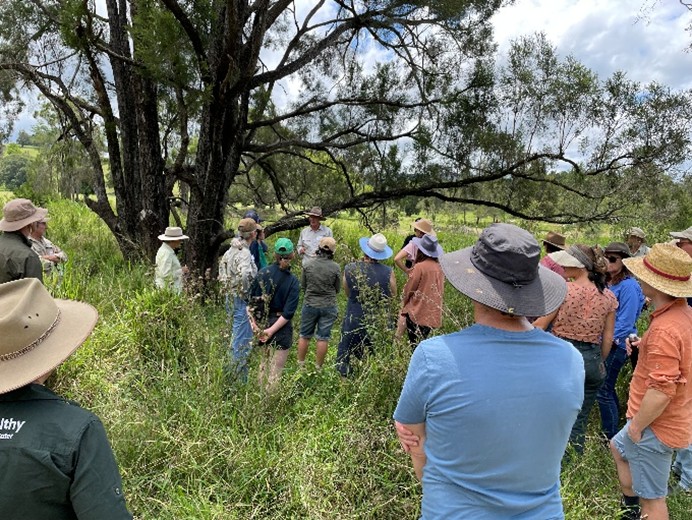
Broadscale education: a host of workshops providing on-site technical advice
 |
 |
| Source water win | Landholder win |
| Informed collective landscape management. | Connecting with neighboring landholders and technical experts allows program participants to work collaboratively in the landscape, helping each other out, and be more knowledgeable around land management best practices. |
Read more about the Seqwater Mid Brisbane partnership.


