
Burning questions: fauna, fire & survival in Australia
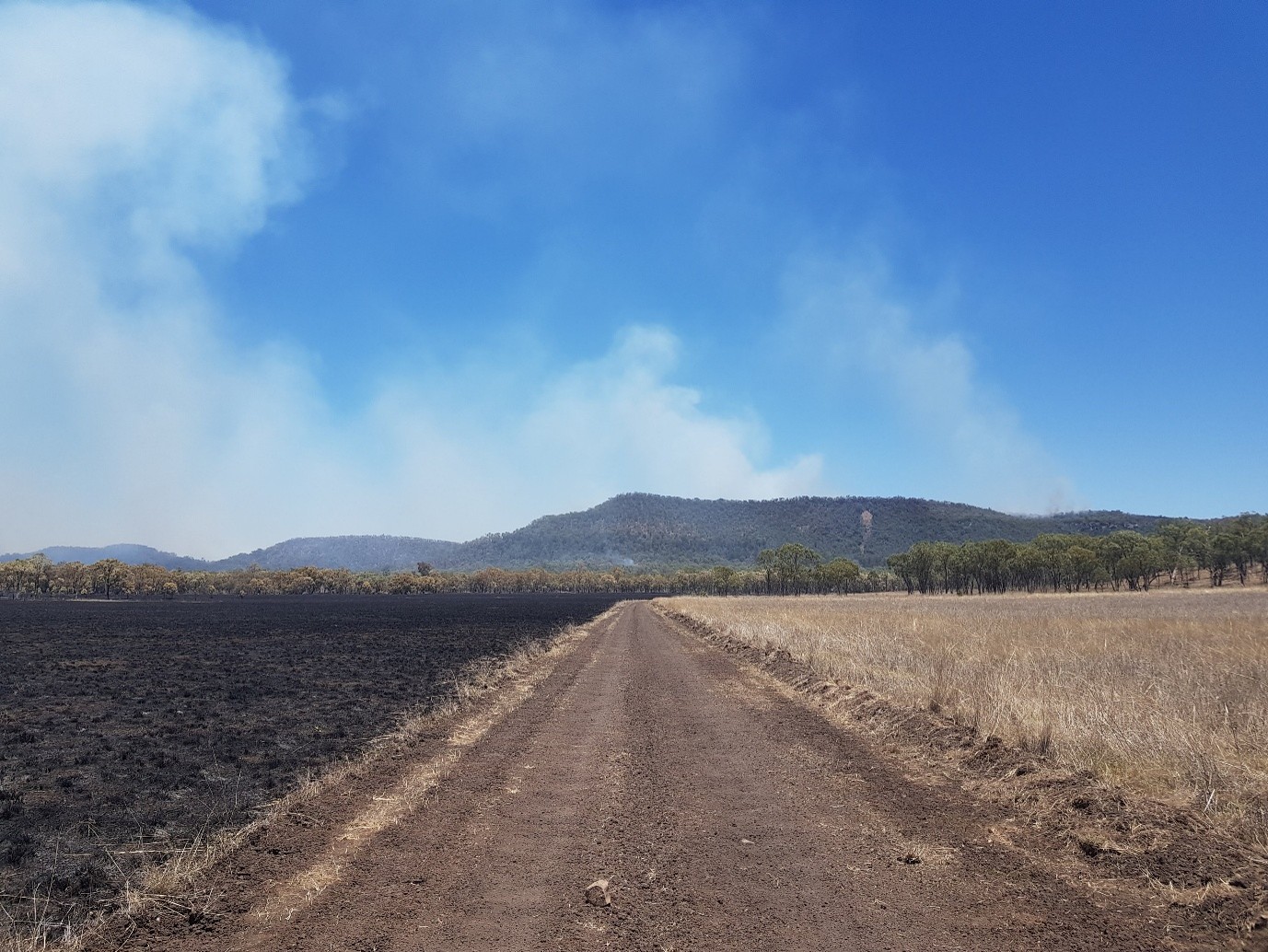
Fire is a natural part of many Australian landscapes, and it can be both a threat and a tool. The difference for wildlife and flora often comes down to the details: how often an area burns, how hot and extensive the fire is, what season it occurs in, and whether unburnt refuges are left nearby. Understanding those patterns helps land managers plan burns that reduce risk while still supporting the habitats animals rely on.
A continent shaped by fire
To make sense of today’s bushland, it helps to step back into Australia’s long history. Tens of millions of years ago, much of the continent was wetter and more heavily forested than it is today. As tectonic plates shifted, Australia gradually broke away from Antarctica and began moving north on the Australian Plate. Over time, the continent’s changing latitude and ocean currents contributed to a drier climate across much of Australia. Woodlands and grasslands expanded, and fire became more common. First Nations People also practised burning across the continent, further shaping the landscape.
Because this occurred over a long time, Australian plants and animals adapted to living with fire. Trees such as eucalypts evolved to survive bushfires via heat-resistant bark and the ability to resprout; some species, such as banksias and grass trees, evolved to need fire to stimulate their seeding or trigger flowering. Australian fauna adapted to fire in a similar way, often relying on fire-prone vegetation communities for food and shelter.
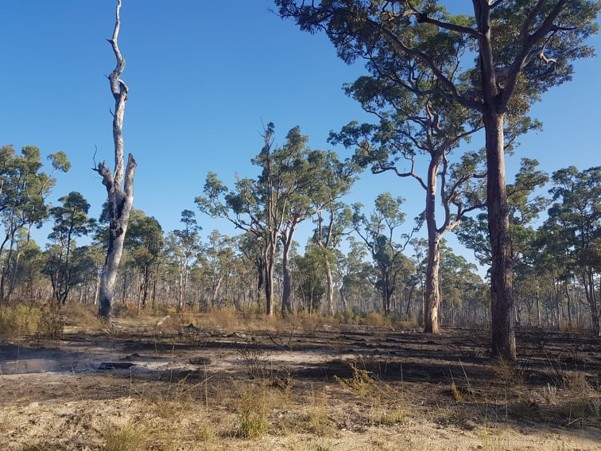 Figure 2: After a low-intensity, patchy burn, habitat refuges remain for fauna.
The importance of fire regimes
Rather than focusing on a singular fire, it is more important to understand the fire regime that is occurring within the landscape. Simply put, fire regimes are the patterns of fire in a place over time: how often it burns, what season, how much area burns, and how intense the fire is. Lower intensity, patchier burns create a wide range of habitats and resources over time, which in turn supports a greater diversity of plants and animals in the landscape.
What the research shows: species respond differently to fire
In Central Queensland’s Brigalow Belt, Dr Miranda Rew Duffy’s PhD research has examined how fire and livestock grazing shape mammal and reptile communities in woodland ecosystems. One of her key findings was that different animals prefer different post-fire conditions. In Central Queensland, small mammals were often more common where there was more groundcover and a shorter time since fire, while many reptiles were more common where there was less groundcover, plenty of logs, and less frequent fire. Therefore, a landscape with a mix of habitats and burn histories would support the highest diversity of mammals and reptiles.
Another important finding was that fire often affects wildlife indirectly, by changing habitat such as ground cover, leaf litter, logs, woody debris and other shelter resources. That means good fire planning starts with asking: Which species are we trying to help, and what habitat do they need before and after a burn?
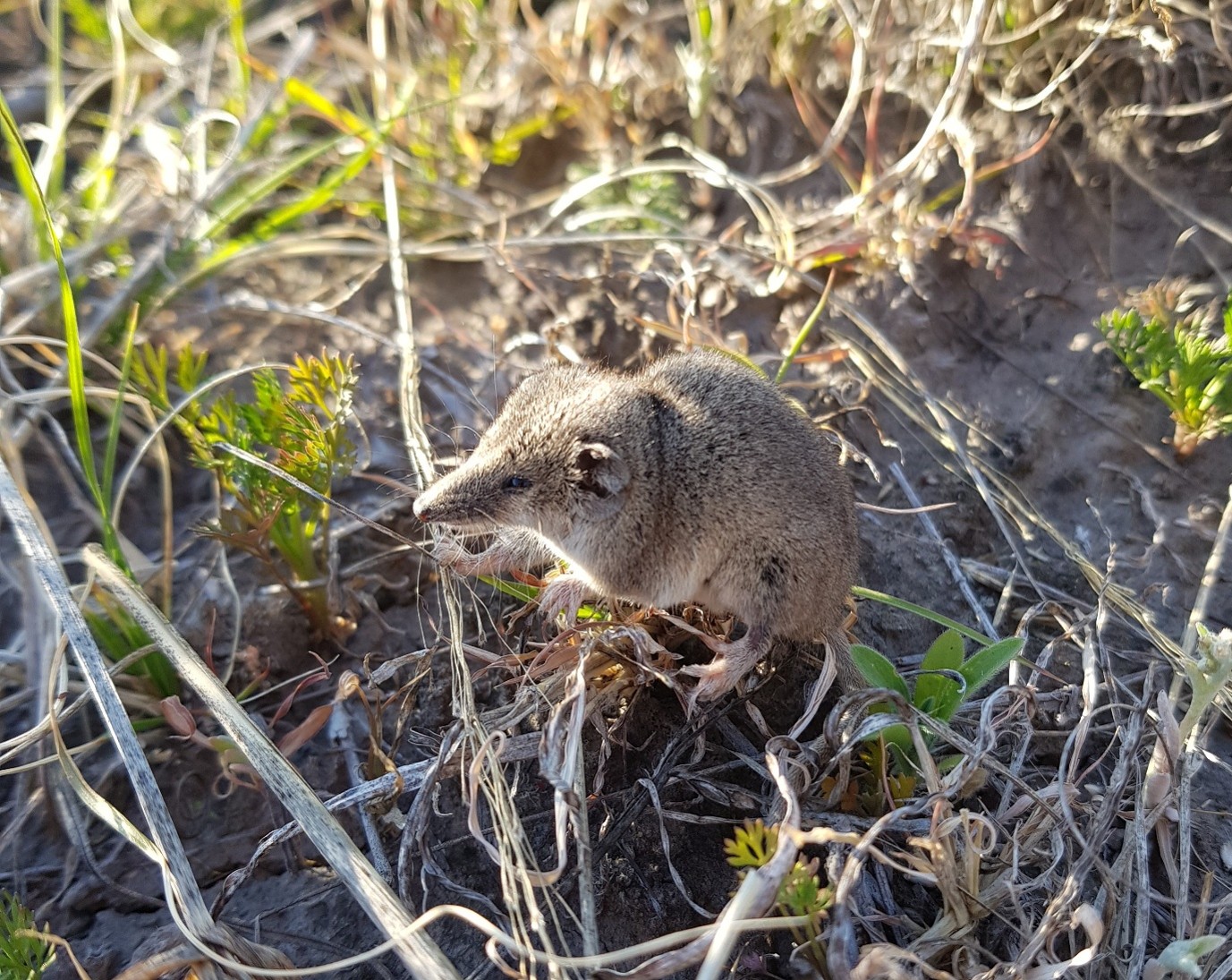 Figure 3: Narrow-nosed planigale use cracks in the ground to survive fire events.
Reptiles, frequent fire and the importance of refuges
In a dry sclerophyll forest in South East Queensland (near Gympie), Dr Diana Virkki’s PhD research compared reptile species across sites with different fire histories, including regular planned burns, areas affected by bushfire, and long unburnt forest. The results found that there was no unanimous reptile response. Some species favoured long unburnt areas, while others were more common where burning was frequent. Overall, reptiles were more likely to persist where burns were low intensity, small and patchy, because unburnt pockets acted as refuges. A variety of burn ages across the landscape supported more species than managing everything the same way.
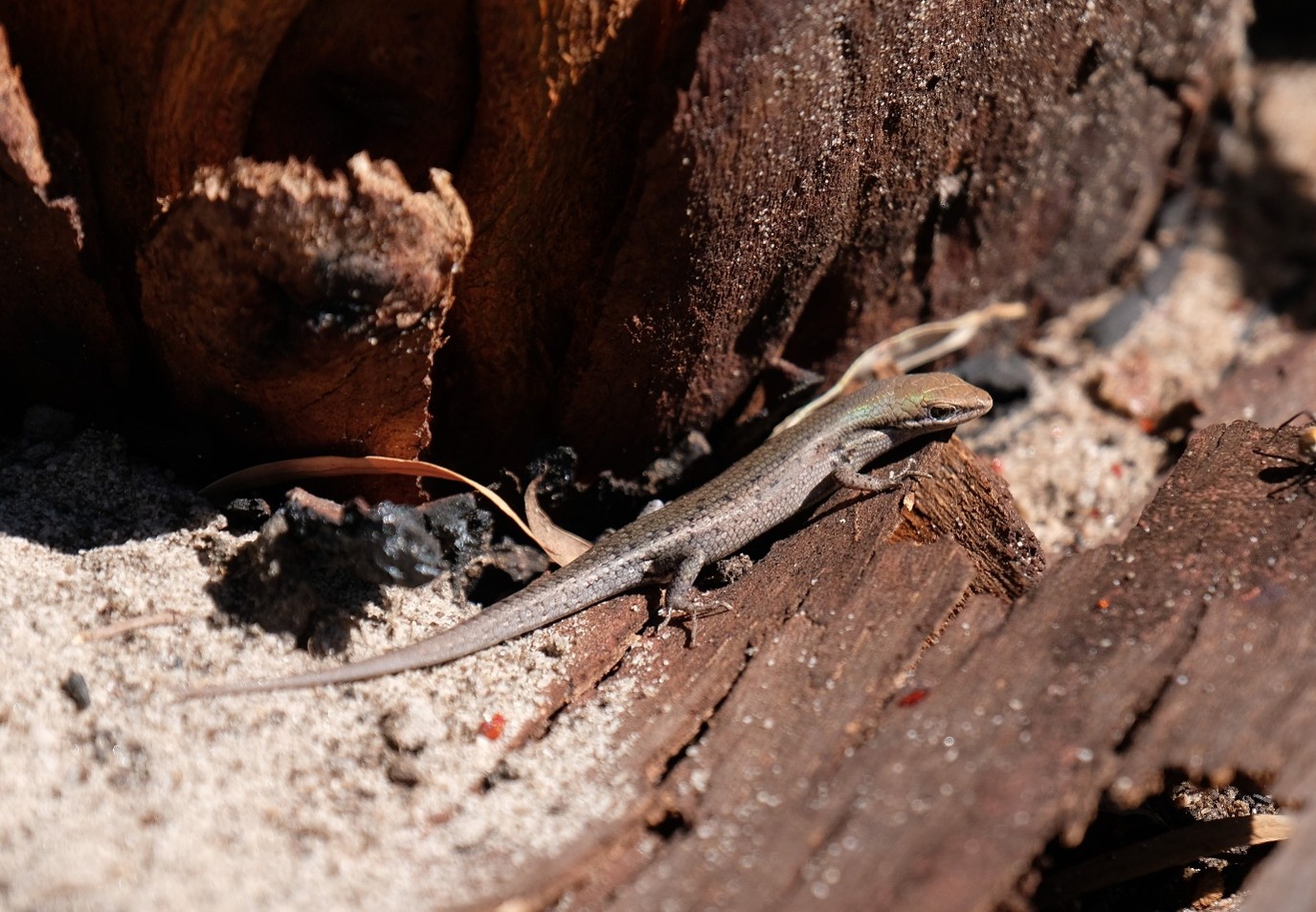 Figure 4: Skinks are a small reptile that need refuge habitat during fire
When weeds change habitat: lantana, fire and reptiles
At Curramore Wildlife Sanctuary, Dr Diana Virkki’s earlier Honours research explored how lantana and different control methods influenced reptile habitat. Approaches such as manual removal, herbicide, and herbicide plus low intensity fire were compared with untreated lantana and nearby wet forest. Reptile richness was higher in burnt and untreated lantana plots than in some manually cleared areas, likely because low intensity fire created a more varied ground layer (logs, regrowth and sunny patches) rather than removing shelter all at once. Weed control and fire planning work best when they reduce weeds and keep (or rebuild) the structure that wildlife relies on.
A current focus: fire management for the collared delma
Both Miranda and Diana are working on a local project funded by Brisbane City Council, improving our understanding of the collared delma’s (Delma torquata) response to fire. Delmas shelter under rocks on outcrops in open woodland, and suitable habitat can be very small and fragmented. At Anstead Bushland Reserve, Healthy Land & Water and external delma experts are surveying 14 sites before and after a patchy, low-intensity planned burn. Alongside active searches (including lifting rocks), they’re measuring habitat features like ground cover, leaf litter, woody debris, bare ground and rock availability.
Pre-burn surveys have recorded 5 delmas across 3 sites. The study will improve understanding of how low-intensity planned burns influence this species and its habitat and help guide future fire management in collared delma habitat.
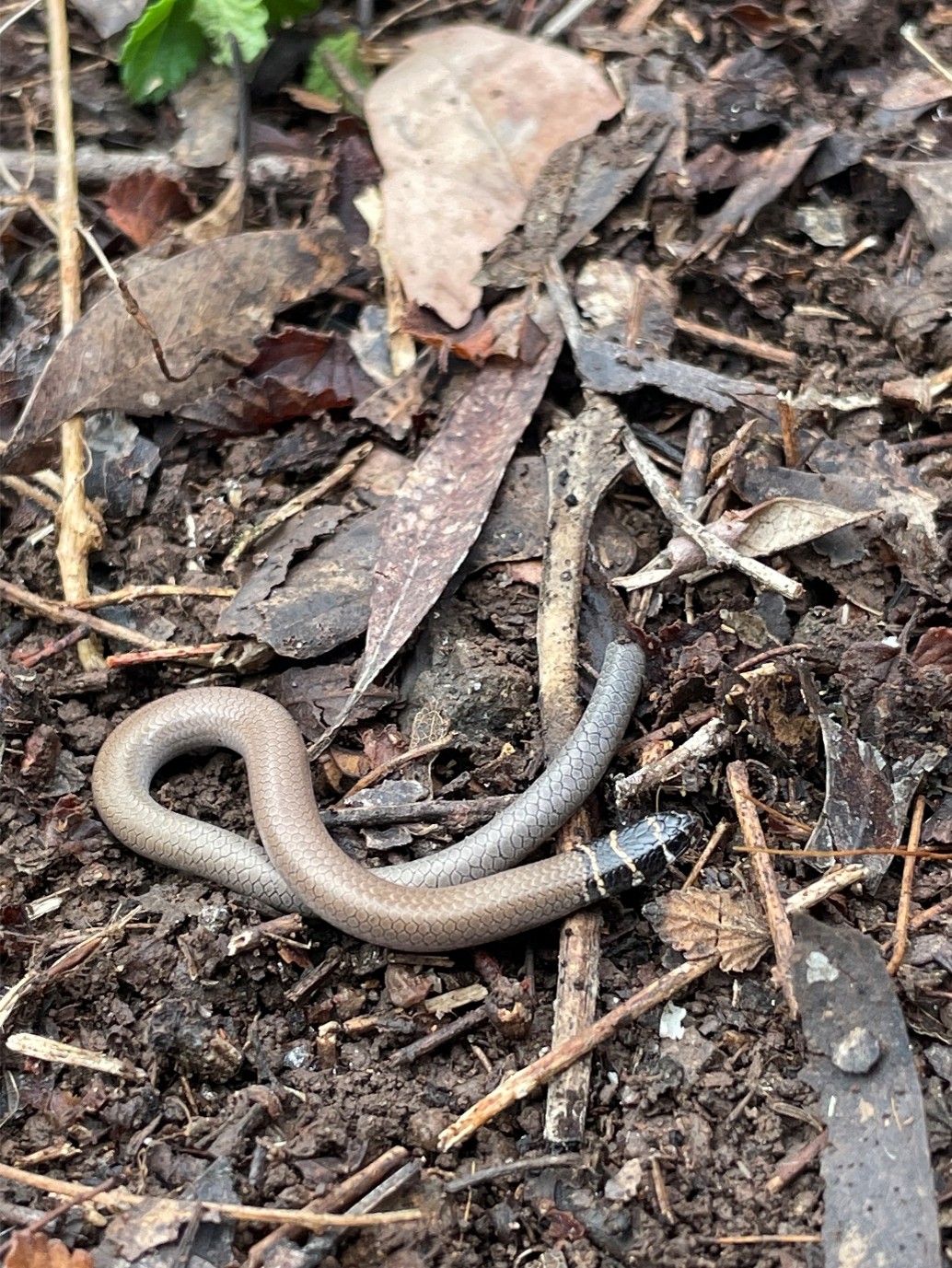 Figure 5: Collarred delma found at Anstead Bushland reserve during surveys
Key takeaways
Here are three key points to keep in mind when thinking about fire and wildlife.
- It’s not just one fire that matters; it’s how often an area burns over time.
- Leaving some areas unburnt can give animals a place to shelter and return to.
- A mix of recently burnt and long-unburnt bushland supports more kinds of wildlife.
If you’d like to read more about Miranda and Diana’s research, follow the links below:
- Rew‐Duffy, M., Maron, M., Diete, R., Leung, L., Hunter, J., Amir, Z., & Reside, A. (2025). Geographic variation in mammal and reptile responses to fire and livestock grazing regimes. Journal of Applied Ecology, 62(4), 834-847.
https://doi.org/10.1111/1365-2664.70011 - Virkki, D. A., Tran, C., & Castley, J. G. (2012). Reptile responses to lantana management in a wet sclerophyll forest, Australia. Journal of Herpetology, 46(2), 177-185.
http://dx.doi.org/10.1670/11-225 - Partridge, D. A., Lewis, T., Tran, C. T., & Castley, J. G. (2023). Fire and habitat variables explain reptile community abundance and richness in subtropical open eucalypt forests. International Journal of Wildland Fire, 32(7), 1089-1108.
https://doi.org/10.1071/WF22001


