
Producers explore carbon and natural capital opportunities through cattle industry bus tour
What role can carbon and natural capital play in a productive and profitable cattle business?
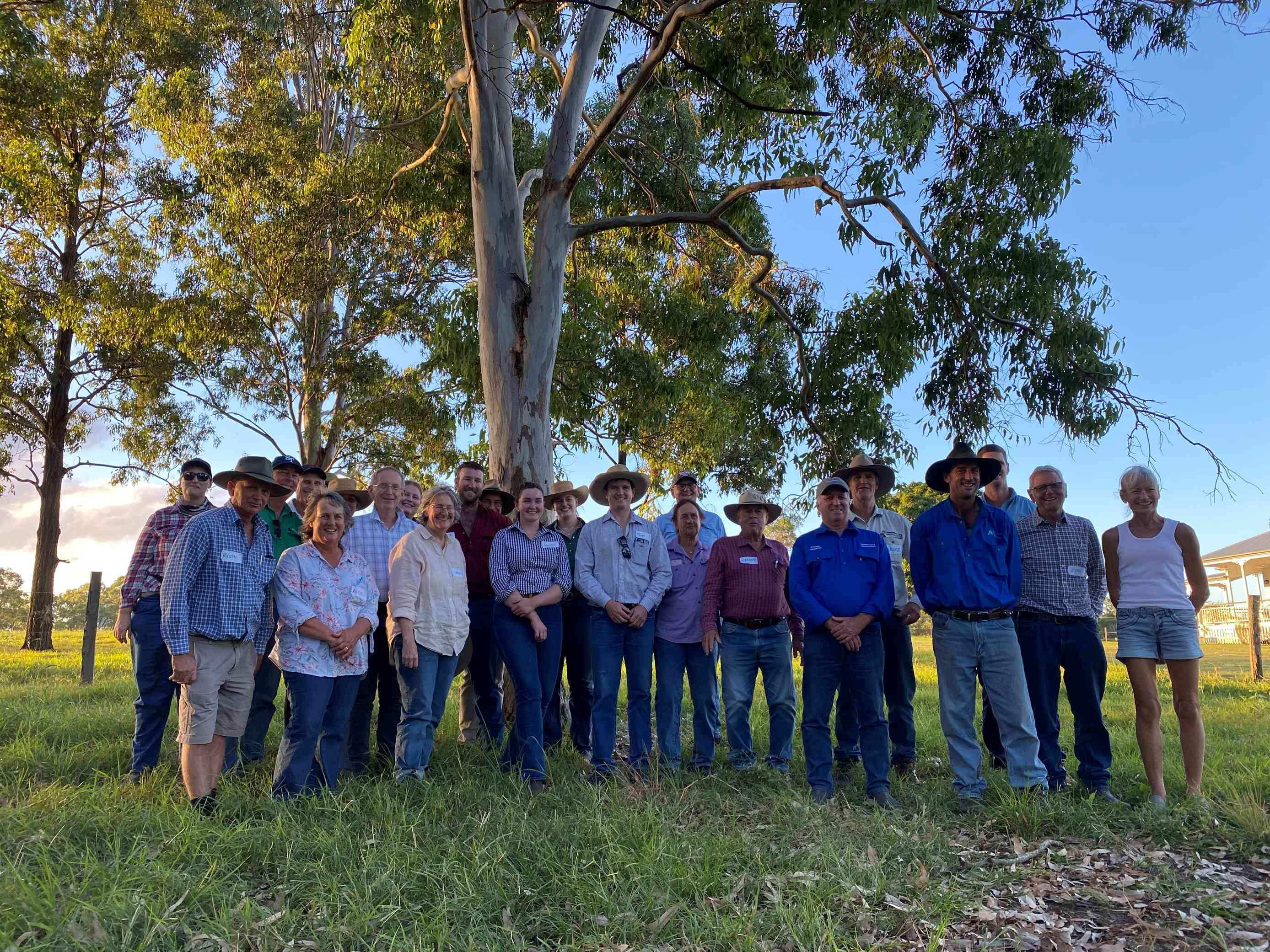
That was the question explored by 20 landholders from the Somerset and Scenic Rim regions who recently participated in the Cattle, Carbon & Natural Capital Bus Tour, delivered by Healthy Land & Water and the Department of Primary Industries.
The tour connected producers with researchers and industry experts, providing practical insights into how carbon and natural capital initiatives can fit within commercial beef enterprises while supporting long-term productivity and resilience.
Seeing carbon in practice
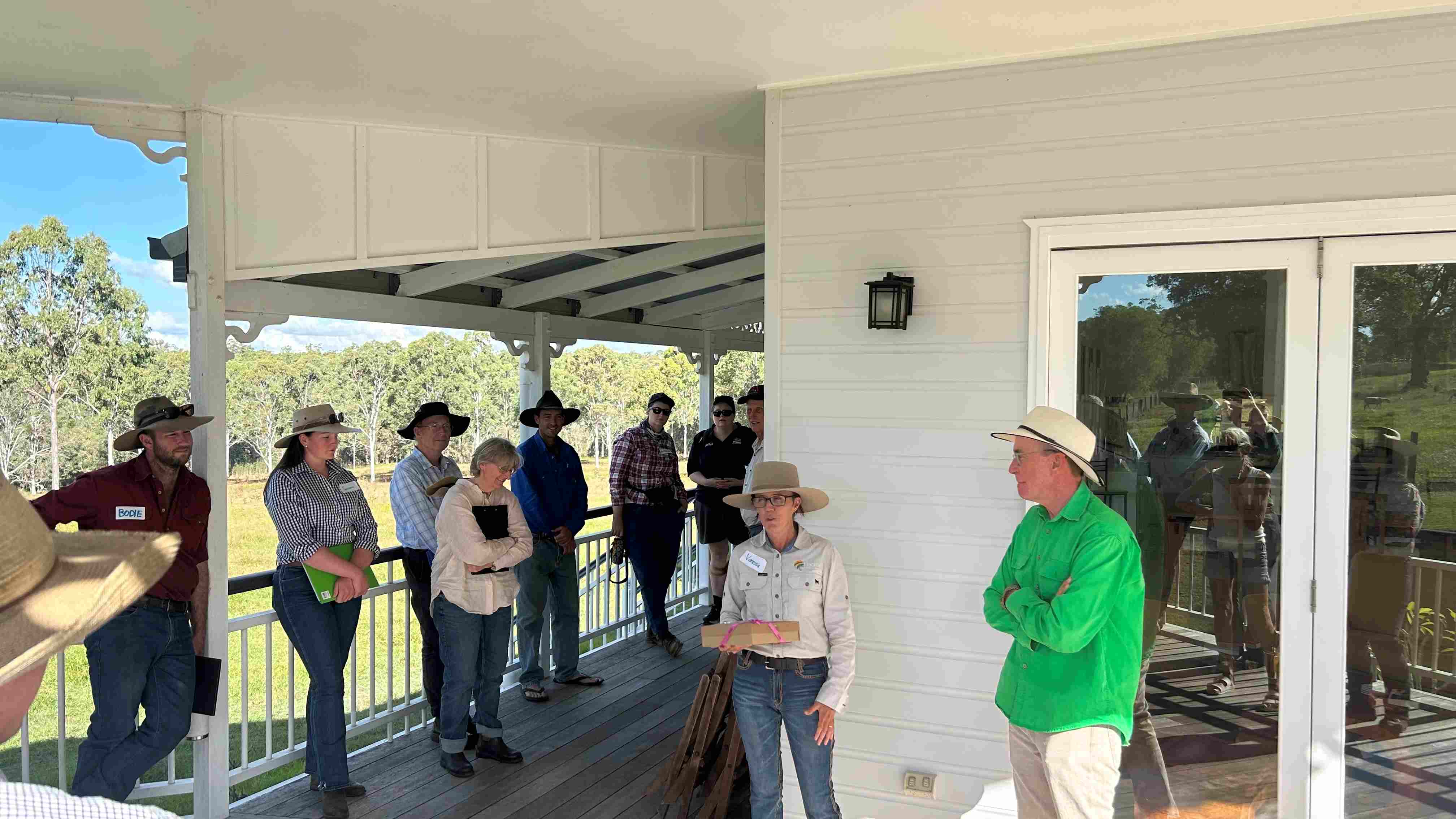
The first stop was Zeebra Plains at Gungaloon, where participants heard directly from a producer managing multiple carbon projects alongside a commercial cattle operation.
Discussions focused on the realities of carbon farming, the opportunities it can create for grazing businesses, and the importance of seeking independent advice before making investment decisions.
For many participants, hearing directly from a producer already navigating the carbon landscape was a highlight of the day.
Connecting with leading research
Connecting with leading research
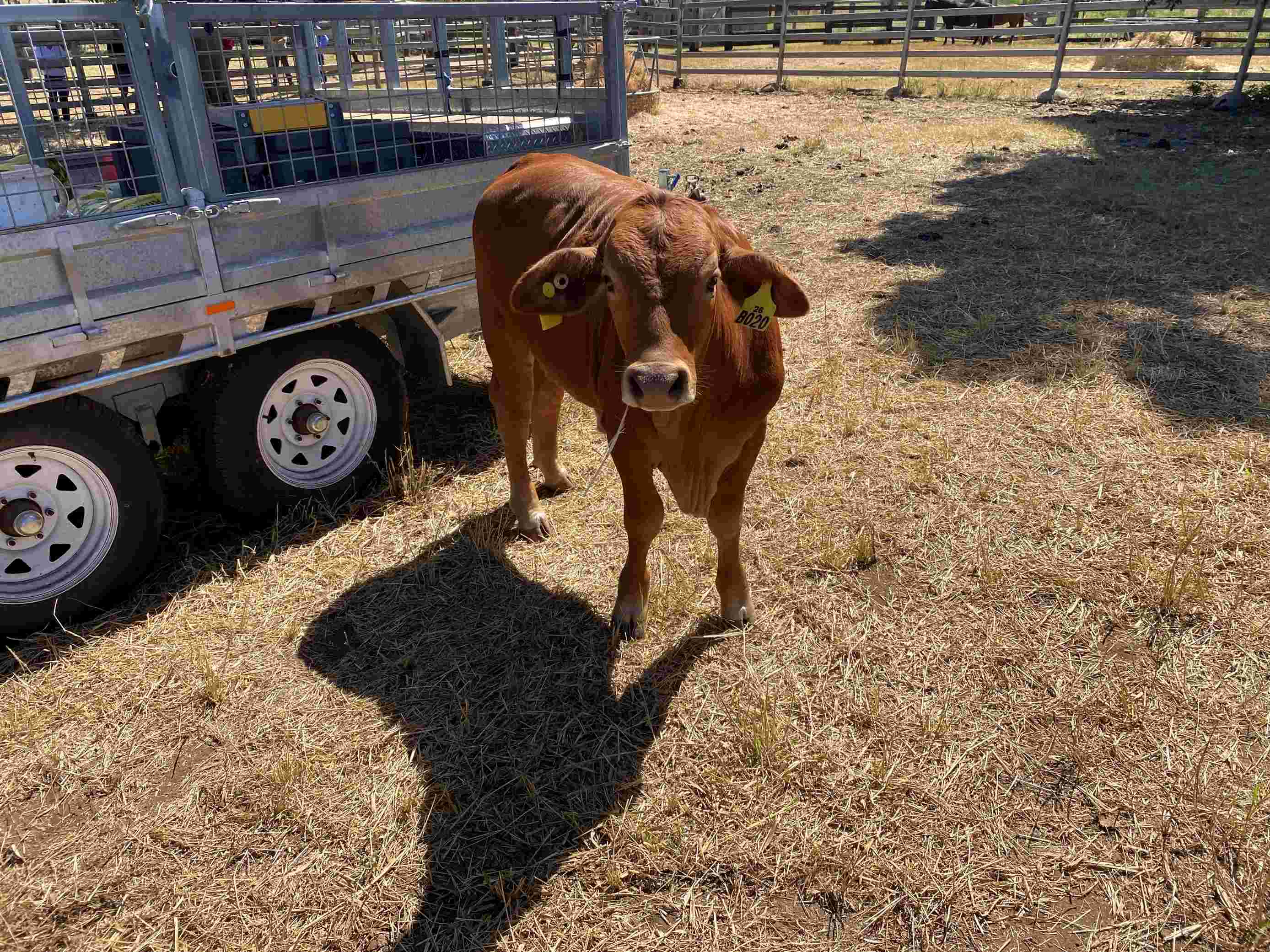
The group then travelled to Brian Pastures Research Facility near Gayndah, where they visited several major research projects and spoke directly with the scientists leading the work.
Projects showcased during the visit included:
- Steak n Wood Trial – investigating strategies that quantify the productivity of beef enterprises and ecosystem services of Silvopastoral Systems (SPS) and explore the opportunities for SPS as a pathway to becoming carbon neutral, improve beef production efficiency and reduce emissions intensity in grazing systems. https://futurebeef.com.au/resources/steak-n-wood/
- Net Zero Emissions Agriculture CRC – exploring practical pathways for Australian agriculture to achieve net zero emissions while maintaining productivity and profitability (https://futurebeef.com.au/its-all-about-carbon-or-is-it/).
- Queensland Pasture Resilience Program – examining ways to improve pasture productivity, resilience and adaptation to changing climatic conditions by tackling three big threats to beef production: land condition decline, pasture rundown and pasture dieback (https://futurebeef.com.au/resources/qprp/).
Department of Primary Industries Beef Extension Officer Kate Brown said the opportunity to connect producers directly with researchers was a valuable aspect of the tour.
 |
 |
"Carbon and natural capital are topics many producers hear a lot about but understanding how they fit within a commercial cattle business can be challenging," Kate said.
"These visits provided landholders with an opportunity to ask questions, discuss emerging research and explore how new findings could be applied within their own businesses. By hearing directly from producers with carbon project and researchers working on emissions reduction and pasture resilience, participants were able to gain practical insights as to what they might take back to their own operations."
Healthy Land & Water Project Manager, Pat O’Connor said the opportunity to connect producers directly with researchers was a valuable aspect of the tour.
"Visiting the two sites gave landholders an opportunity to see active carbon projects and established pasture legumes in practice. Producers asked questions, discussed emerging research and explored how new findings could apply within their own businesses. These valid insights help producers understand how to convert ideas and apply similar practices on-farm sooner, enabling pasture productivity and resilience, as well as reducing their on-farm emissions footprint," said Pat.
While carbon markets and natural capital opportunities were key discussion topics throughout the day, the tour also reinforced several practical actions producers can implement now.
Two key takeaways consistently highlighted by both researchers and producers alike were to improve herd efficiency by identifying and culling non-performing animals and establishing legumes within pasture systems to improve productivity while reducing emissions intensity.
These discussions reinforced an important message for participants: improving business performance and reducing emissions are often complementary goals, with many of the same management practices delivering benefits for both productivity and sustainability.
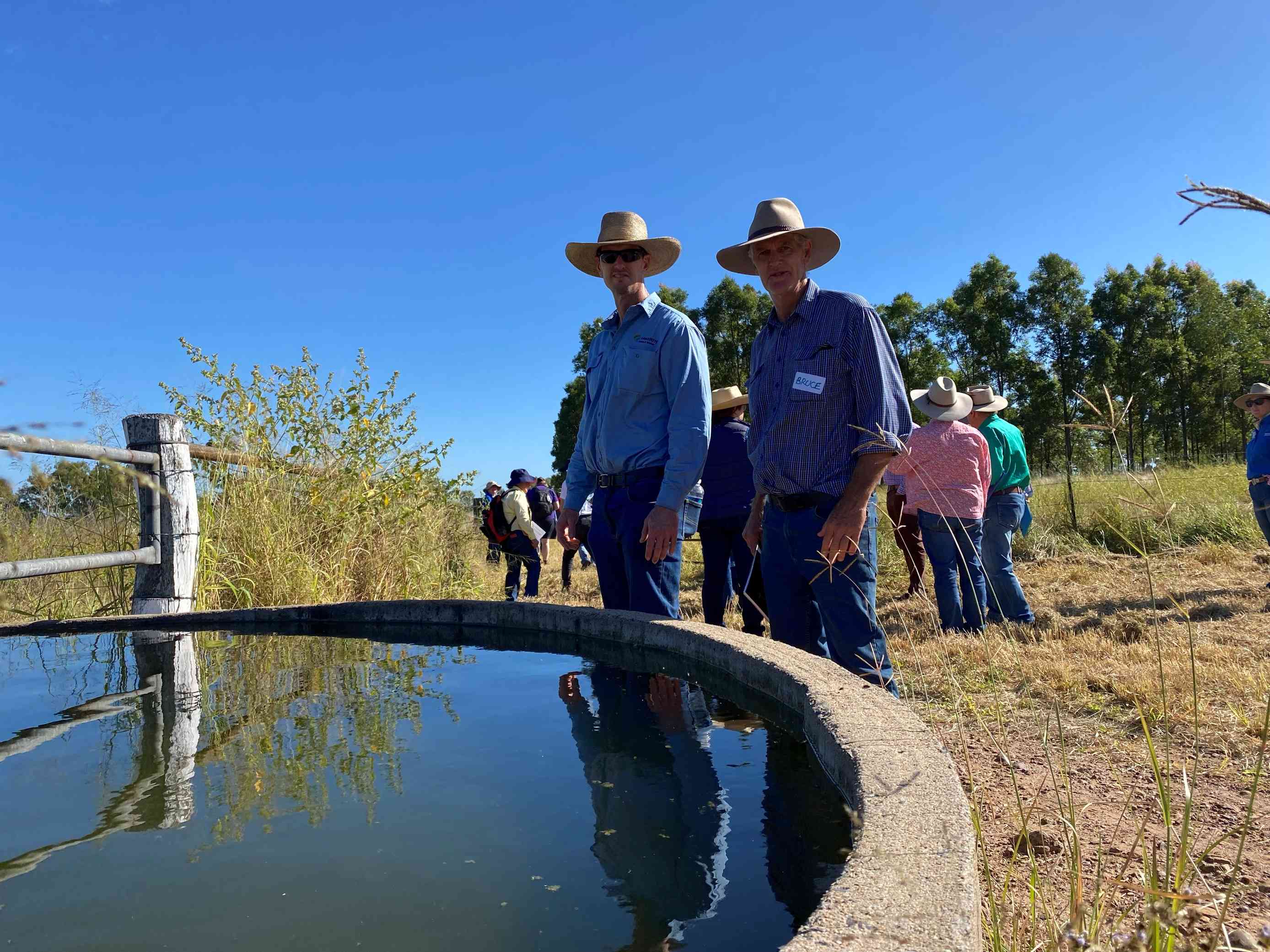
Learning from each other
Beyond the site visits, participants highlighted the value of the conversations that took place throughout the day. The bus tour provided opportunities for peer-to-peer learning, allowing producers to share experiences, ask questions and discuss how carbon and natural capital initiatives may fit within their own operations.
As interest in carbon, natural capital and climate-smart agriculture continues to grow, initiatives like the Cattle, Carbon & Natural Capital Bus Tour play an important role in helping producers access trusted information and make informed decisions for their businesses.
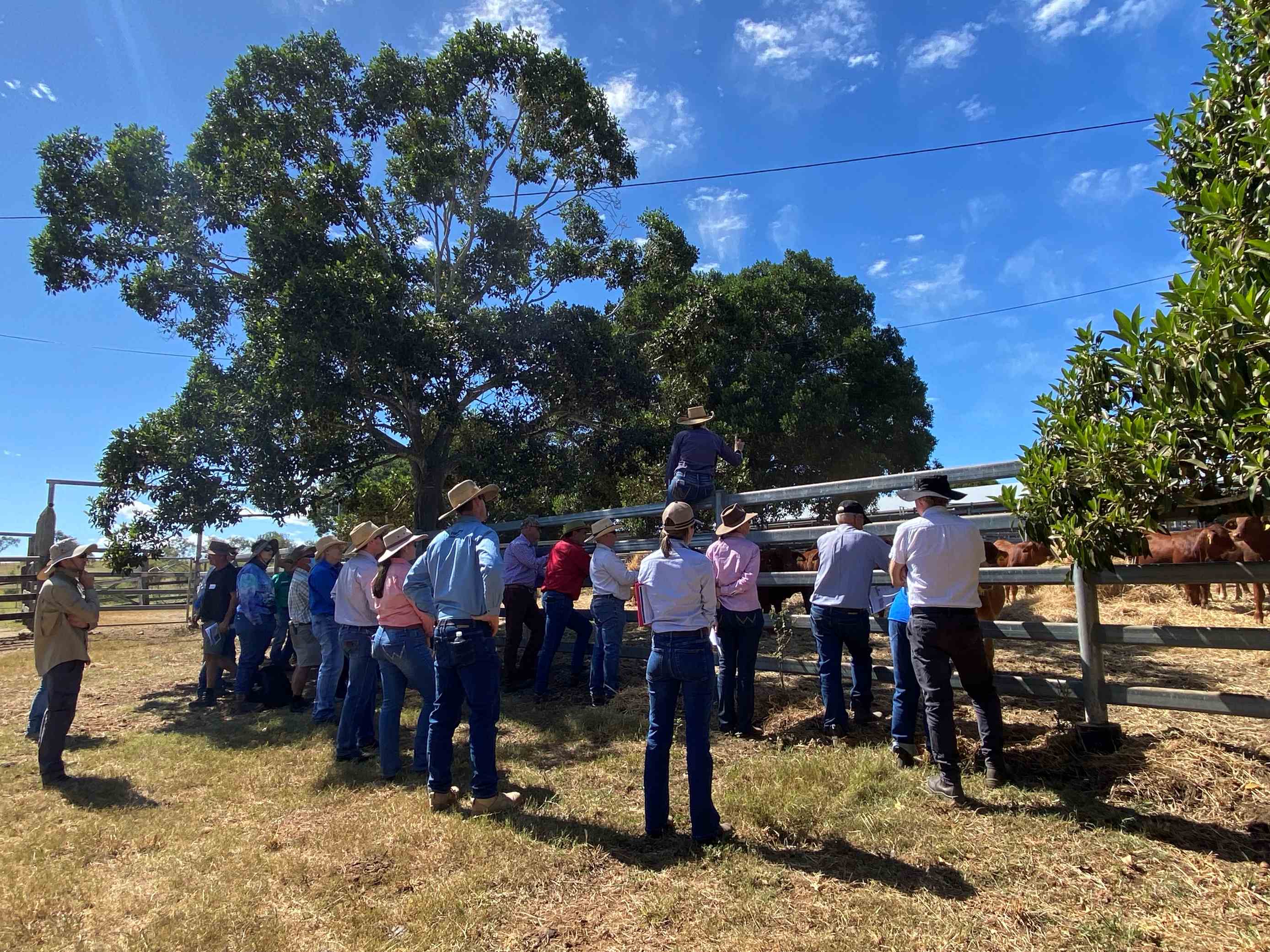
The Cattle, Carbon & Natural Capital Bus Tour was delivered by Healthy Land & Water and the Department of Primary Industries through funding from the Climate-Smart Agriculture Program.


