
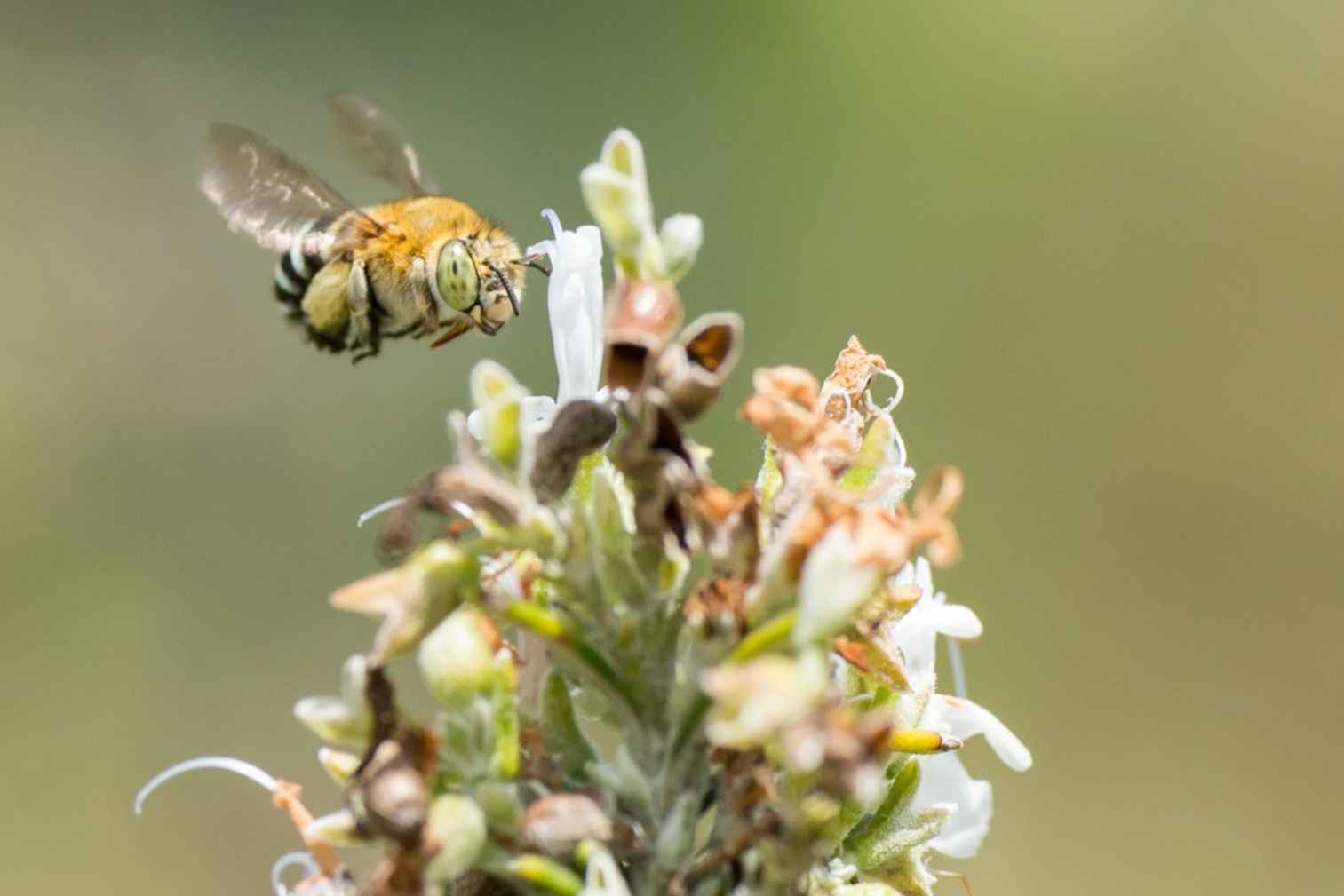
Make your backyard a haven for pollinators
Each November, we celebrate Australian Pollinator Week, and there’s no better time to go outside and revamp your garden with pollinator-friendly plants. Whether you have a farm, a backyard, or a balcony, every planting choice can make a difference.
The importance of pollinators
Pollinators such as bees, hoverflies, butterflies, moths, weevils and birds work behind the scenes to increase biodiversity, strengthen plant health, and keep our ecosystems blooming. Unfortunately, these insects face increasing challenges from pesticides, colony diseases, urbanisation, climate change, and habitat loss.
Diverse insect pollinators are also critical to food security and production, and without them, the diversity of food grown for humans would drastically decrease. Insect pollinators are central drivers of crop yields and quality. If an area has reduced pollinator diversity, the crops will most likely be smaller or misshapen.
By planting local native species that are the right flora for your region, you can help provide food and habitat for pollinators and contribute to connected corridors that sustain them all year round.
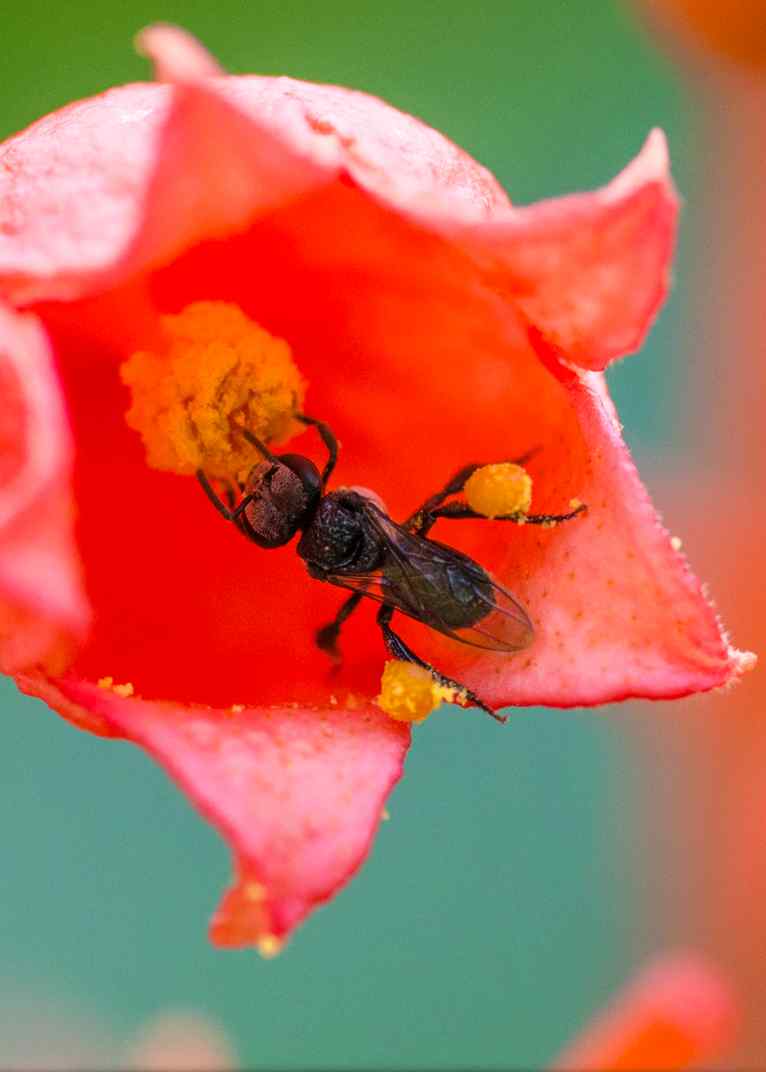 Australian native stingless bee. Image credit: Nadine Anderson.
How you can help
Here are a few simple steps that can make your garden a welcoming habitat:
- Provide water sources – give insects shallow water with landing spots such as twigs or rocks, while birds love a birdbath or deeper water source.
- Create nesting sites – birds and insects seek dense vegetation such as ground cover and low-lying shrubs to shelter in and lay eggs safely.
- Plant a variety of native plants – nectar-rich and flowering plants can help attract pollinators to your garden. Think grevilleas, paper daisies and other locally native flowering species.
- Visit your local plant nursery – they can help you choose native species to establish in your local area.
- Connectivity counts – encourage neighbours and nearby landholders to plant for pollinator corridors, which allows the insects to forage over a wider radius.
- Reduce chemical use – herbicides, fungicides and insecticides all damage the health of bee colonies and other native pollinators.
- Be a citizen scientist – download the iNaturalist app and catalogue the little critters you discover in your garden.
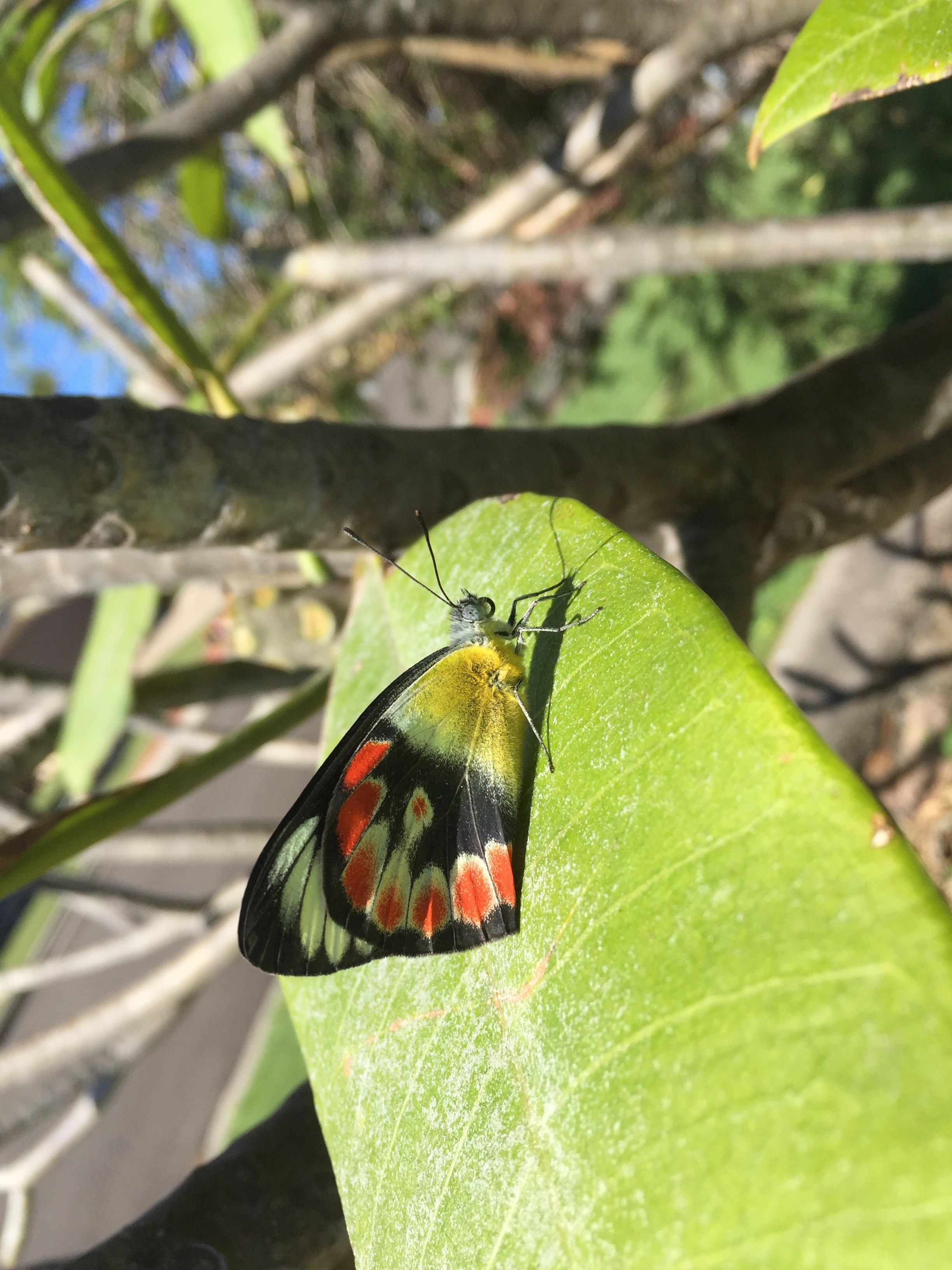 Scarlet Jezebel butterfly. Image credit: Katie Roberts.
Looking for inspiration?
Download a free planting guide designed by botanists and field ecologists on the Wheen Bee Foundation website: https://www.wheenbeefoundation.org.au/our-work/projects/powerful-pollinators/
Start from the ground up. By adding diverse native plants, places to shelter and connected habitat, you can help give pollinators the food and refuge they need to thrive.
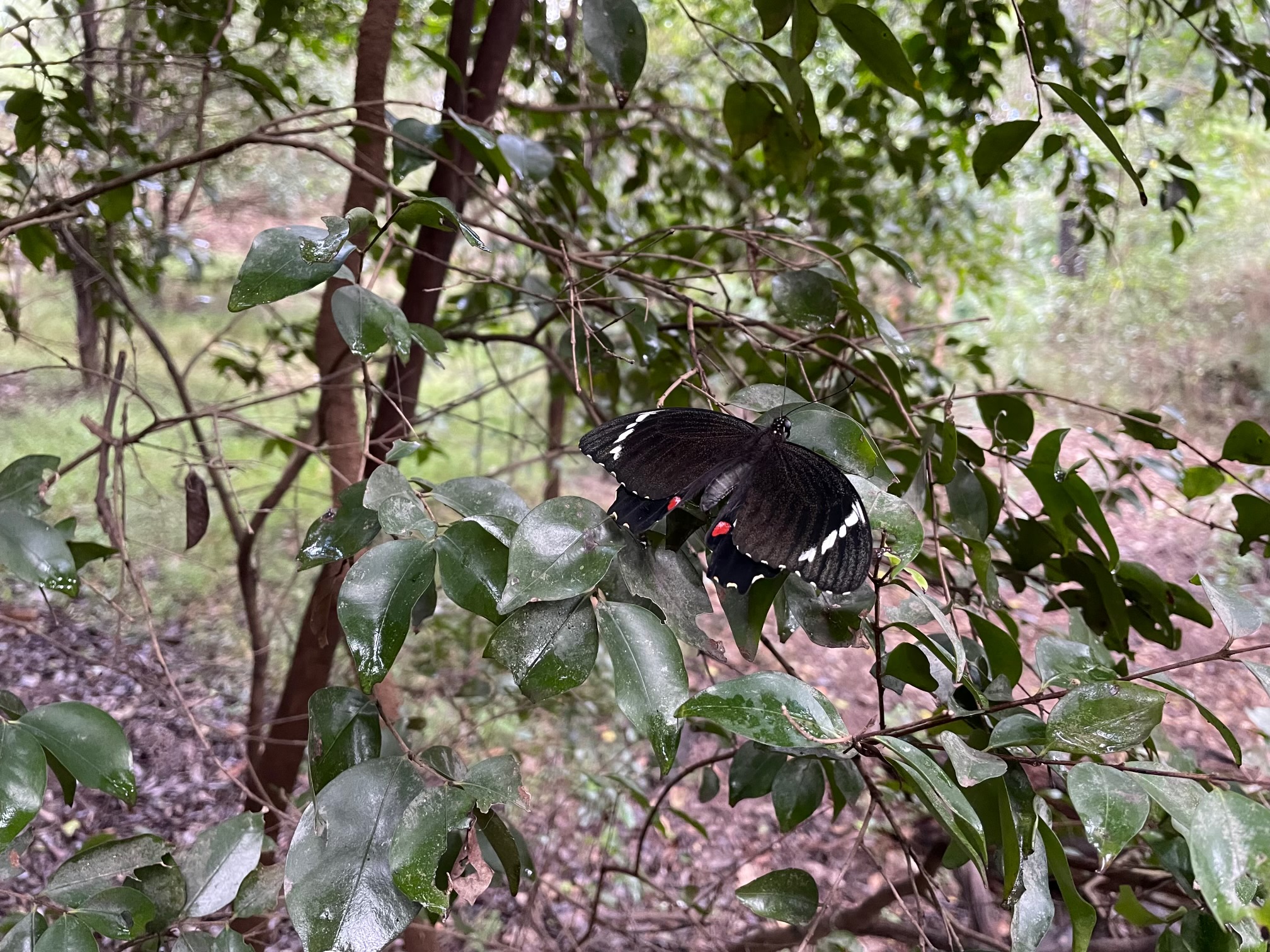 Orchard swallowtail butterfly. Image credit: Chelsea Kluske.


