
Improving the ways we measure streambank recovery
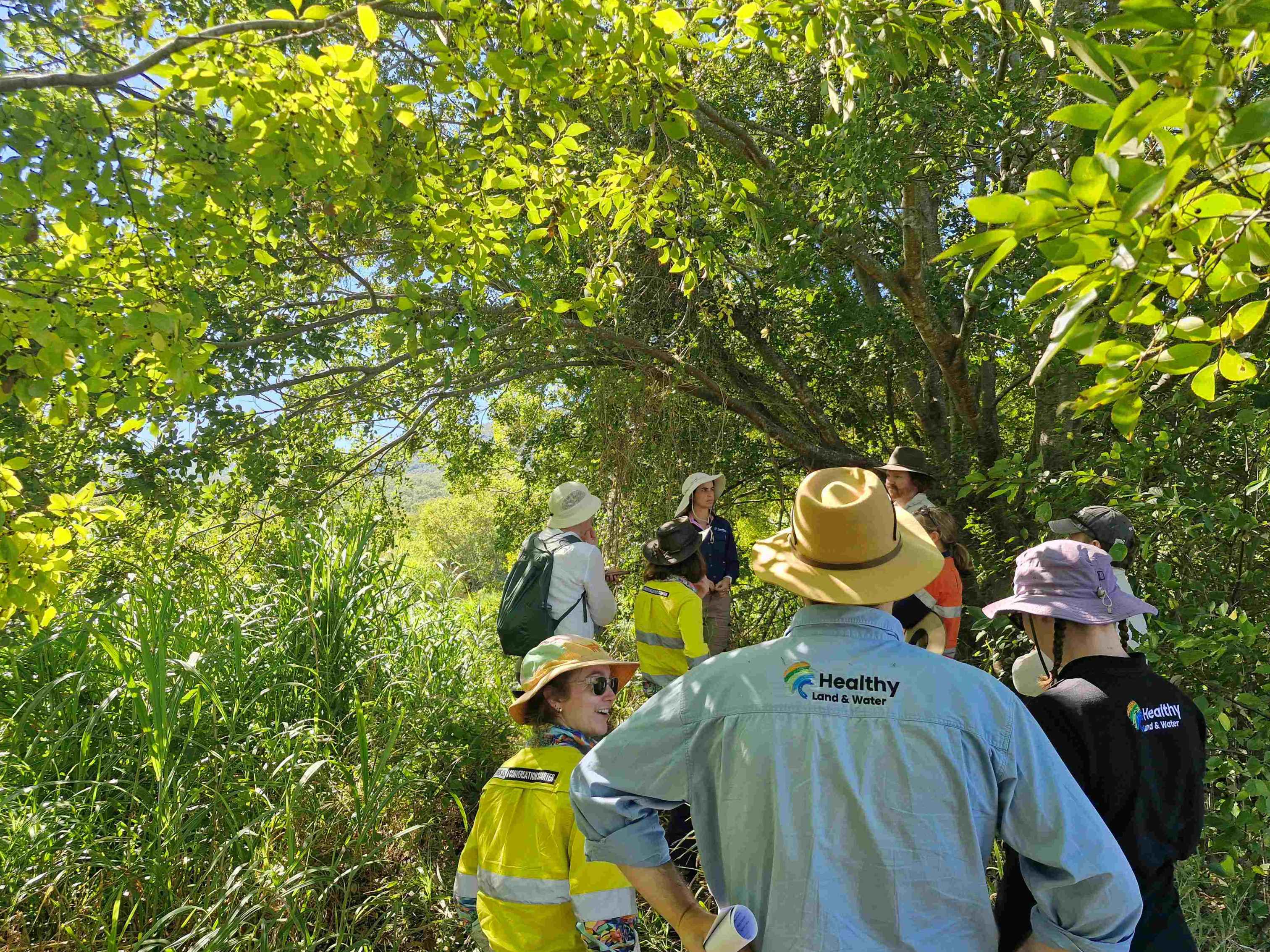
Knowing that environmental works have been completed is one thing. Knowing they're making a measurable difference is another. Healthy Land & Water recently joined NRM Regions Queensland (NRMRQ) and other delivery partners in the field to trial StreambankCAT; a new monitoring tool being developed through Queensland's Statewide Indicator Framework (SWIF).
The field day provided an opportunity to test the tool in real-world conditions, ensuring it is practical for practitioners while delivering the robust, consistent data needed to measure environmental outcomes across the state.
As expectations grow for evidence-based investment in natural resource management, tools like StreambankCAT are helping shift the focus beyond reporting activities completed to demonstrating meaningful environmental change.
Measuring what matters
The Statewide Indicator Framework (SWIF) provides Queensland's natural resource management sector with a consistent approach to monitoring, evaluating and reporting environmental outcomes. By using standardised indicators and methodologies, SWIF enables organisations to collect comparable data across projects and regions, building a stronger statewide picture of environmental condition over time.
For Healthy Land & Water, incorporating SWIF tools into project delivery means monitoring is embedded from the beginning. Projects are designed around measurable outcomes, ensuring environmental improvements can be tracked, reported and used to inform future management decisions. This strengthens accountability to funders and also provides greater confidence that on-ground works are delivering lasting environmental benefits.
Testing StreambankCAT in the field
Designed to assess streambank condition, StreambankCAT helps practitioners measure changes in ecological and geomorphic indicators before and after restoration works.
Example indicators include; weed presence, erosive threats and native vegetation, providing a clearer picture of stream health. By moving beyond output measures such as kilometres of streambank under remediation, the tool provides evidence of whether restoration activities are reducing threats and improving the condition and resilience of riparian ecosystems.
During the field day, Healthy Land & Water staff worked alongside SWIF developers and regional partners to trial the tool across a range of sites, providing valuable feedback on its practicality, usability and effectiveness.
This collaborative testing is a critical part of developing monitoring tools that are scientifically robust while remaining practical for field teams to implement consistently.
By contributing on-ground experience during development, Healthy Land & Water is helping shape a tool that better reflects the realities of stream restoration projects and supports stronger environmental reporting across Queensland.
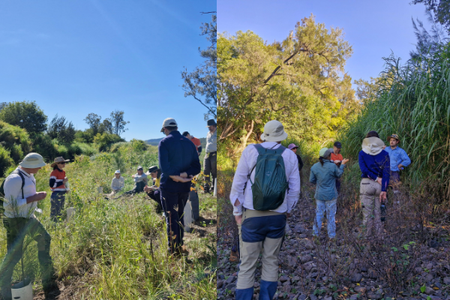 Healthy Land & Water and NRMRQ staff trial StreambankCAT during the field day.
Supporting Living Landscapes & Resilience:
The trial supports delivery of Healthy Land & Water's Living Landscapes & Resilience project under the Natural Resource Management Expansion Program (NRMEP). The project delivers streambank remediation and riparian restoration through activities including erosion control works, revegetation, assisted regeneration and fencing to improve the health and resilience of waterways.
As new monitoring approaches continue to evolve, Healthy Land & Water remains committed to working alongside partners to strengthen how environmental outcomes are measured, ensuring investment in restoration is backed by credible evidence and contributes to a clearer understanding of Queensland's environmental progress.
This project is funded by the Queensland Government’s Natural Resource Management Expansion Program.


