
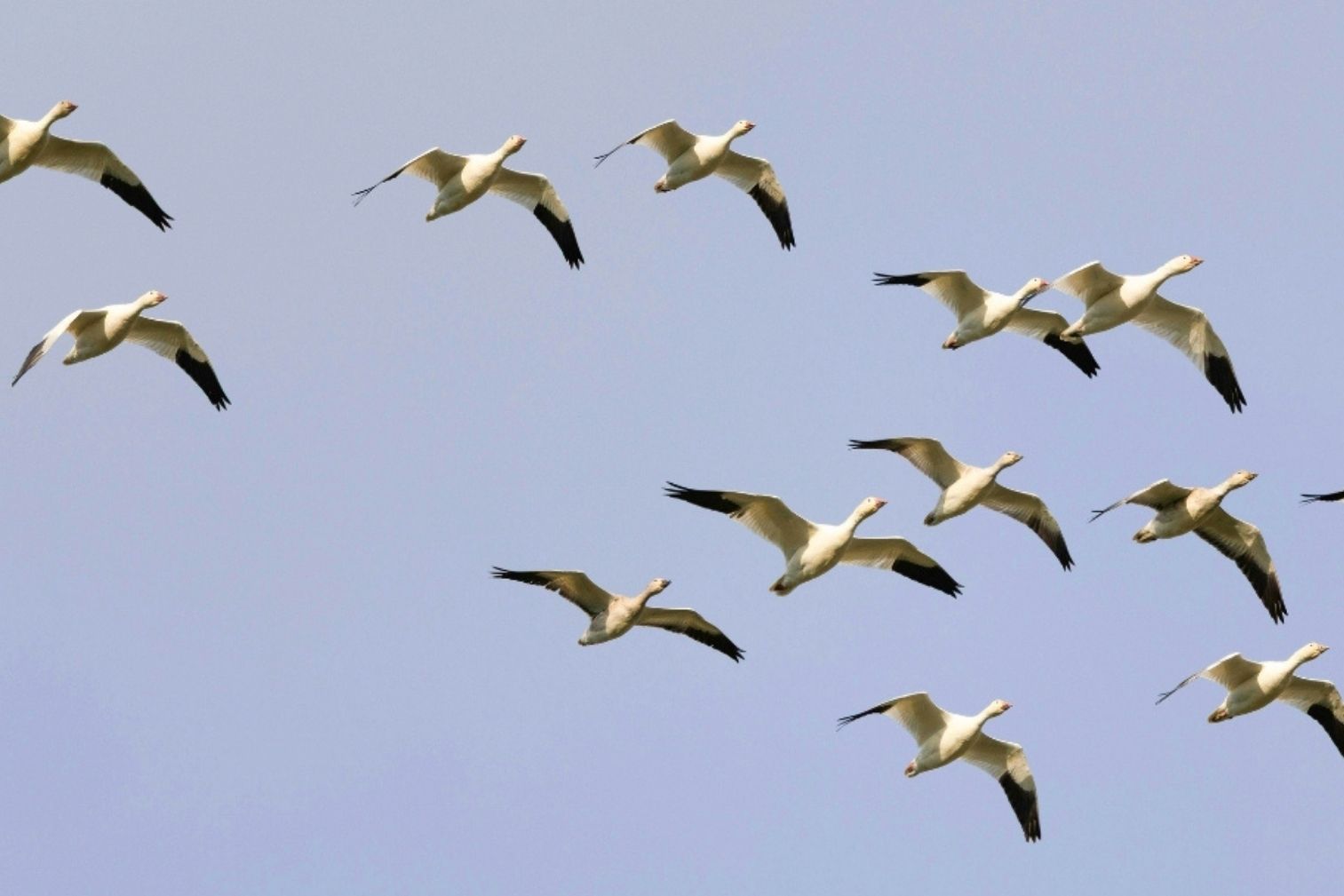
H5 bird flu – what to look out for and how you can help
H5N1 bird flu (H5 bird flu) has recently been detected in South East Queensland (SEQ). While the risk to humans remains low, being aware of the signs and knowing what to do if you encounter sick or dead birds can help protect wildlife, livestock and our environment.
People who manage and care for land in SEQ work on the ground and are well placed to identify unusual bird activity and play an important role in in keeping a watchful eye on the landscapes they know best.
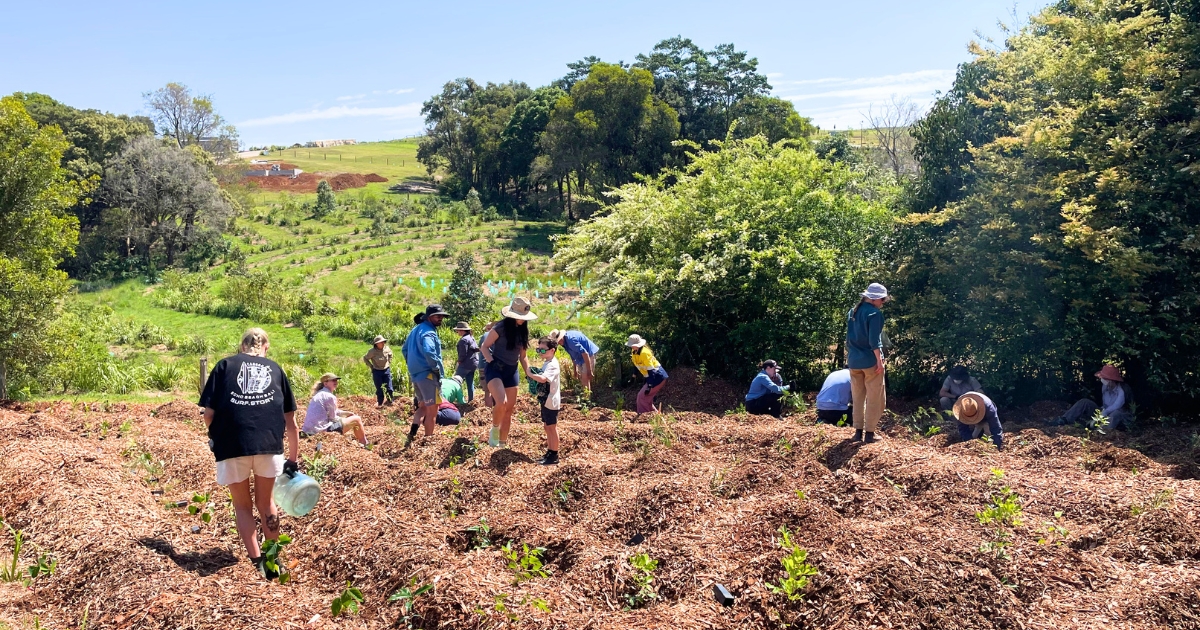
Whether you’re a landholder, farmer, bird owner or community member, your observations can help support early detection and response efforts.
Because of their regular connection to the environment, landholders and other land stewards are often among the first to notice unusual wildlife activity. Reporting signs of illness or unexplained bird deaths can help authorities investigate potential outbreaks and respond quickly where needed.
What to look out for
Birds affected by H5 bird flu may show signs such as unusual head or neck posture, breathing difficulties, loss of coordination, swelling of the head, eyes or limbs, and other symptoms. Sudden death can also occur in affected animals.
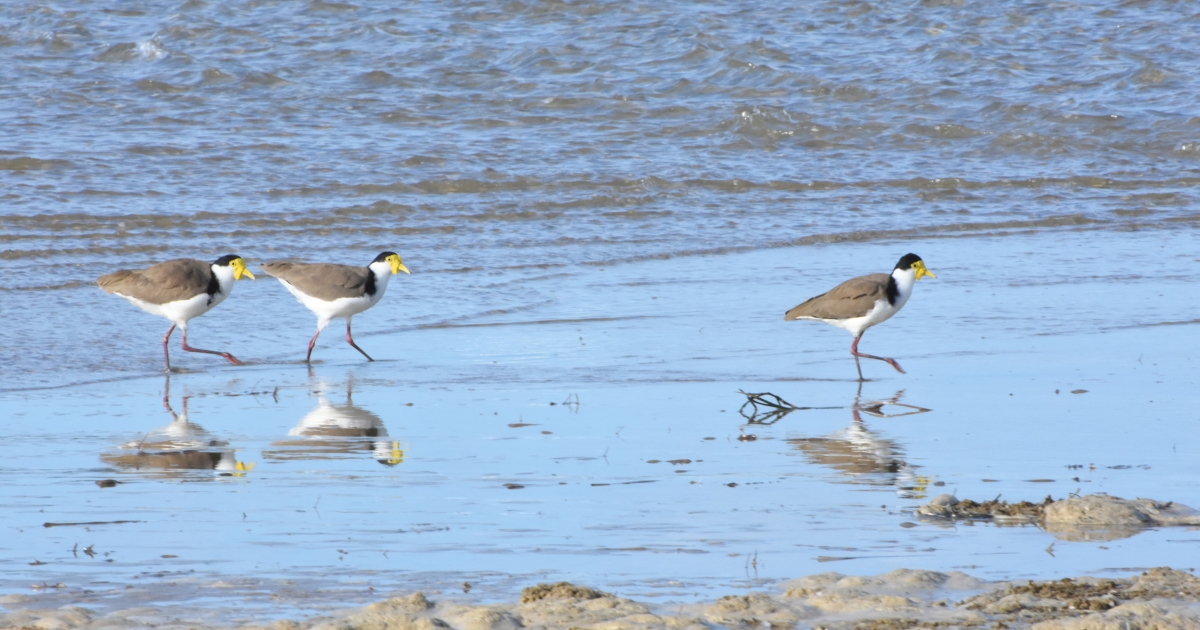
Avoid. Record. Report
If you come across a sick or dead bird, follow these three simple steps:
1. Avoid
Do not touch the bird or interact with the surrounding area. Observe from a distance and keep pets away.
2. Record
Make note of the date and time, location, nearby roads or landmarks, the type of bird or animal, how many birds or animals are sick or dead, and any visible signs of disease. If safe to do so, take photos or, ideally, a video.
3. Report
Contact the Emergency Animal Disease Hotline, a free, 24/7 national service or Biosecurity Queensland from Monday to Friday (8:00 AM to 5:00 PM).
Reporting will alert authorities so they can evaluate the need for testing or other investigation.
Early detection and reporting are among the most effective ways to help prevent the spread of disease and protect wildlife, livestock and local communities.
For more information, you can access the Australian Centre for Disease Control, the Queensland Government and the Department of Agriculture, Fisheries and Forestry websites.
Important contacts
- Emergency Animal Disease Hotline: 1800 675 888
- Biosecurity Queensland: 13 25 23
We've prepared a handy fact sheet that you can print and share. Download it here or by clicking the image below.


