Sparks of participation: Evaluating social learning in participatory practices for fire management in Queensland – a student placement project at Healthy Land & Water
As the weather heats up, bushfire risk in Queensland’s temperamental landscape is top of mind for landowners living in fire-prone areas. The key to mitigating bushfire danger is not just in firefighting efforts but in the dedicated hands of local community members and organisations working together to manage the landscape.
Written by Ane Froneman, QFBC internship participant, University of Queensland.
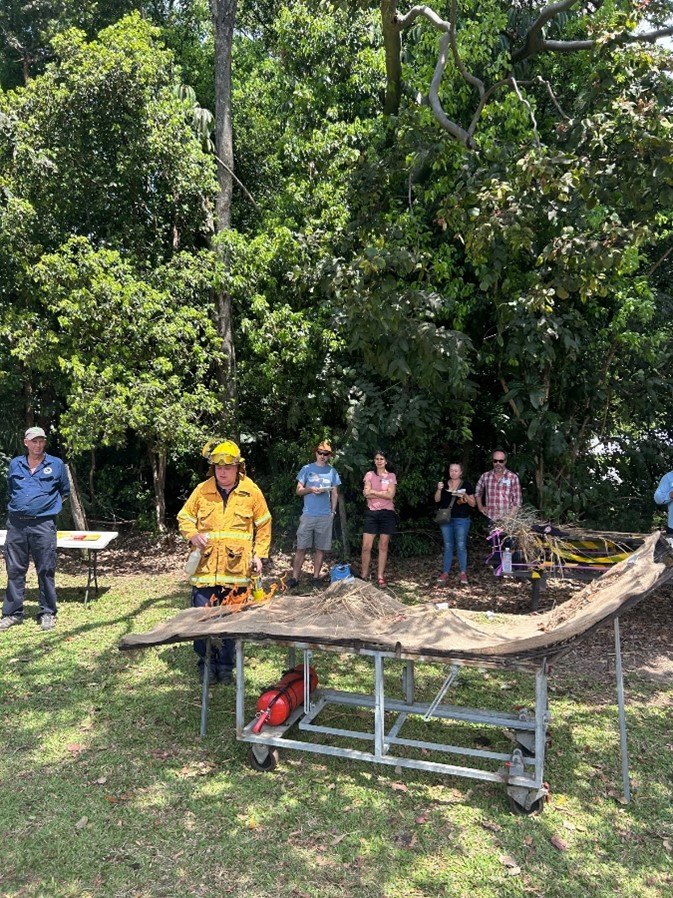
Healthy Land & Water delivers a range of bushfire awareness and planning workshops designed to upskill the community and promote collaborative landscape management, through its Queensland Fire & Biodiversity Consortium (QFBC) program, one of the longest-established collaborative fire programs in Australia.
However, many landholders encounter barriers that make it difficult to implement fire management recommendations. I set out to understand how QFBC can improve existing fire workshops to better encourage communities to take action and overcome barriers to fire management.
A deep dive into the world of fire and people
 |
My project began at the heart of environmental management: community consultation. Throughout my interactions with community members, a common barrier to individual fire management was the lack of social networks. In various Queensland communities, residents reported a lack of support from neighbours and expressed mistrust in local organisations' ability to manage ecosystems. |
Prior studies show that successful environmental stewardship in local communities requires strong community connections and trust.
One way to build community interdependence is through social learning. Social learning involves collaborative activities where many individuals learn together, rather than one teaching many. By involving a large group of people with various priorities to share their experiences, connections are made that support collective action and change.
How do we measure social learning?
There is limited existing research in the field of community change, particularly regarding hazard reduction in Australia. To measure social learning outcomes in this context, this foundational research project was developed to determine the most effective method for assessing social learning in workshops. Once social learning can be effectively measured and understood, future research can focus on creating mechanisms to promote this process.
Evaluating workshop social learning
 |
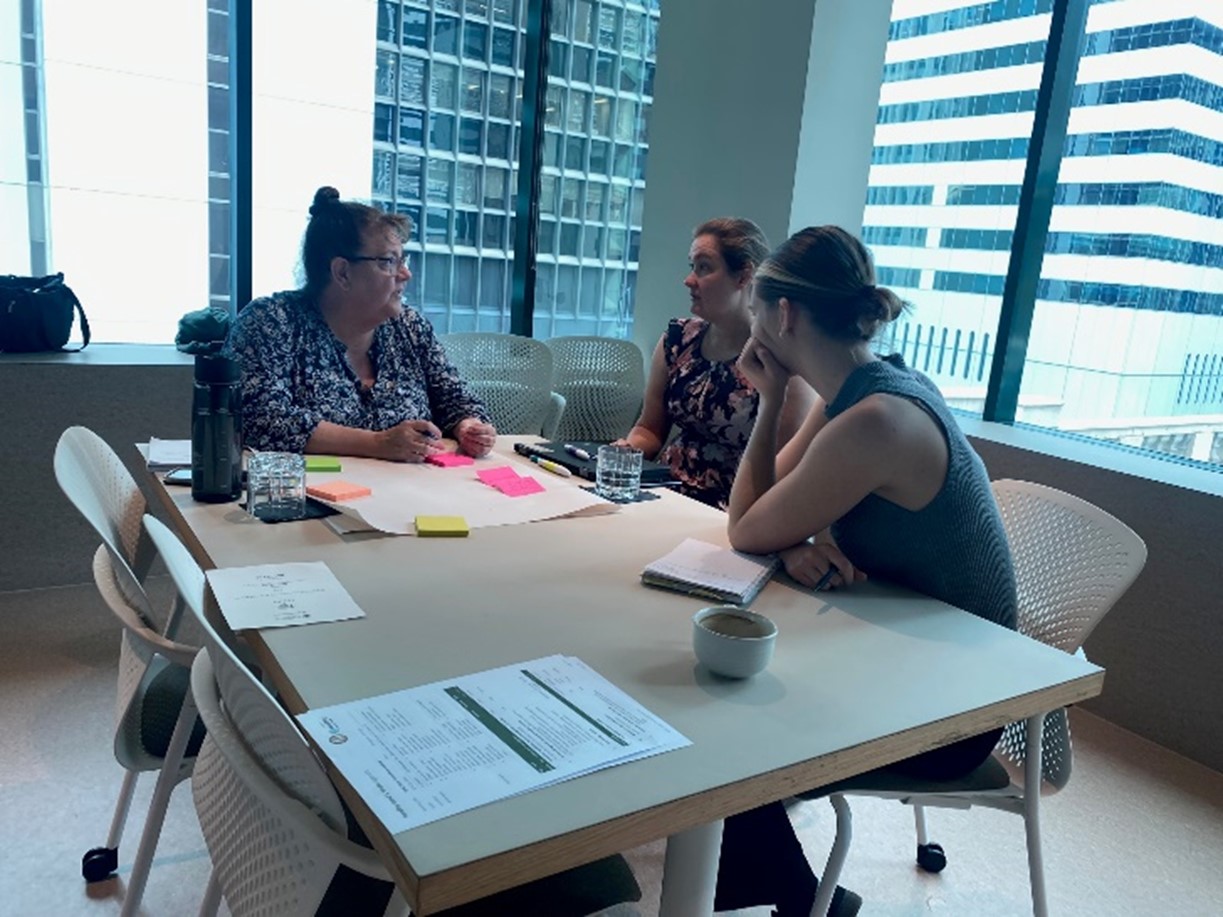
I chose to investigate three methods of assessing social learning in the workshops to see which generated the most reliable data: |
- Interactive word activity
Participants were asked to write descriptive words based on the prompt planned burns.
Findings: Feedback found this approach to be reductive and discouraged open and honest engagement. This method isn’t recommended.
- Short form interviews
Workshop participants were recruited for a three-stage interview: before, after, and two weeks later. This approach gathered key stories and opinions on fire management challenges.
Findings: This method requires more resources over a longer period to create any comprehensive analysis of the learning process. This method isn’t recommended if resources or timeframes are tight.
- Social Network Mapping
Participants were invited to map important people and organisations involved in fire management in their area. This approach revealed critical data about social networks and barriers to action.
Findings: This is the recommended method to successfully understand the barriers to sustained fire management actions in each community.
Final recommendations
In future workshops, facilitating group discussions where participants can share their experiences and reflect on the learning process will enhance engagement with the content. Encouraging attendees to conceptualise themselves as integral actors within a diverse system, with various priorities, will promote more effective social learning. Additionally, creating a social network map after each workshop will help visualise the effectiveness of communication and interaction among participants.
In future, with more resources, I would recommend investigating these three research questions:
- How can participatory methods engage community stakeholders to enhance sustainable local environmental fire management?
- How does stakeholder connectivity locally and nationally affect fire management?
- How does power and resource distribution impact community engagement and uptake of fire management regimes individually?
- How can participatory engagement foster social learning to enhance individual fire management practices?
- How does social learning impact environmental stewardship?
- How can social learning improve the effectiveness and sustainability of individual environmental stewardship?
- How do community engagement activities in local fire management contribute to overall hazard reduction success?
- What are the practical longitudinal outputs given by individuals engaged in participatory community processes?
Project learnings
 |
 |
Through this experience, I learnt how to liaise with a wide range of stakeholders with different priorities to create more sustainable solutions to complex environmental challenges. It taught me to trust and advocate for my own capabilities and rely on my passion for people to produce meaningful work. While managing a project of this scale and engaging in research with around 13 participants, I came to deeply appreciate the work of my team and the organisation. My placement at Healthy Land & Water was a launchpad for my professional aspirations as a social scientist and I am inspired to continue working towards a future for a healthy planet for generations to come.
Internship placement opportunities
If you are interested in pursuing an intern placement with the QFBC team, please do not hesitate to reach out and follow the link below for further details and application instructions.